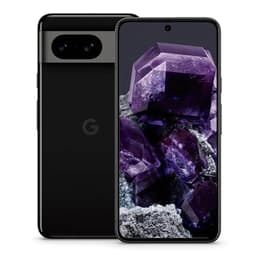
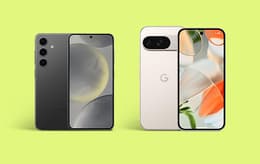
Google Pixel 7a vs Google Pixel 8

Google Pixel 7a
Google Pixel 7a
Starting at

Refurbished price:A$337.00

Versus A$749.00 new

See options
Google Pixel 8
Google Pixel 8
Starting at

Refurbished price:A$465.00

Versus A$1,245.00 new

See options

Ratings

The Google Pixel 7a, released in May 2023, and the Google Pixel 8, launched in October 2023, are both smartphones from Google's Pixel line. While the Pixel 7a is positioned as a more accessible option, the Pixel 8 offers enhancements in its core processing, display technology, and camera capabilities. Both devices run on Google's Android operating system, providing a consistent software experience with regular updates and access to Google's ecosystem of services.

Scores

Durability

The Pixel 7a and Pixel 8, released within months of each other in 2023, offer different expectations for long-term software support and physical resilience.

  • Software Longevity: The Pixel 8 is designed for an extended software lifespan, receiving seven years of OS, security, and Feature Drop updates from its October 2023 release, meaning support until October 2030. The Pixel 7a, released in May 2023, is guaranteed five years of security updates and three years of OS updates, extending its support until May 2028 for security and up to Android 16 for OS.
  • Physical Protection: The Pixel 8 features Gorilla Glass Victus on both its front and back, offering enhanced scratch and drop resistance, along with an IP68 rating for dust and water resistance. The Pixel 7a uses Gorilla Glass 3 on the front and a plastic back, with an IP67 rating, providing good protection against splashes and dust, but slightly less robust than the Pixel 8.
  • Repairability: Both models are generally considered moderately repairable, with components that can be replaced by skilled technicians. The choice between them for longevity depends on whether extended software support or slightly more robust physical materials are prioritized.

Release year

2022

2023

Compatible with latest Update

Yes

Yes

Operating system

Android

Android

Foldable

No

No

Performance

Both the Pixel 7a and Pixel 8 are equipped with Google's custom-designed processors, offering distinct levels of performance for daily tasks and demanding applications.

  • Processing Power: The Pixel 8 features a newer generation processor, which translates to faster app loading times, smoother transitions between applications, and more efficient handling of intensive tasks like advanced photo editing or graphically demanding games. The Pixel 7a's processor provides a responsive experience for everyday use, including browsing, social media, and most applications, but may show a slight difference in speed with very demanding workloads.
  • Multitasking and Storage: Both devices come with 8GB of RAM, allowing for efficient multitasking and keeping multiple apps open in the background without significant slowdowns. The Pixel 7a is available with 128GB of internal storage, while the Pixel 8 offers options for both 128GB and 256GB, providing more flexibility for users who store a large number of photos, videos, or applications.
  • Battery Behavior: The Pixel 8 includes a slightly larger battery capacity of 4575 mAh, which, combined with its more efficient processor, generally results in a full day of use for most users, even with moderate to heavy activity. The Pixel 7a's battery of 4385 mAh also provides reliable all-day power for average usage, though very heavy users might find themselves needing to recharge sooner than with the Pixel 8.

Memory (GB)

8 GB

8 GB

Screen quality

The visual experience on the Pixel 7a and Pixel 8 differs primarily in display technology refinements and overall brightness capabilities.

  • Display Technology and Clarity: Both phones feature OLED displays, known for their deep blacks and vibrant colors, offering a resolution of 1080 x 2400 pixels for sharp and clear visuals. The Pixel 8's display benefits from a newer generation OLED panel, which can produce slightly more accurate colors and better contrast in certain scenarios.
  • Smoothness and Brightness: The Pixel 8 offers a 120Hz refresh rate, providing a noticeably smoother scrolling experience and more fluid animations compared to the Pixel 7a's 90Hz refresh rate. Furthermore, the Pixel 8's display can reach significantly higher peak brightness levels, up to 2000 nits, making it considerably easier to view content clearly in bright outdoor conditions than the Pixel 7a.
  • Screen Size and Viewing: The Pixel 8 has a 6.2-inch display, a slight increase over the Pixel 7a's 6.1-inch screen. This minor difference in size, combined with the Pixel 8's higher refresh rate and brightness, contributes to a more immersive and comfortable viewing experience, especially for media consumption and gaming.

Resolution

1080 x 2400

1080 x 2400

Screen type

OLED

OLED

Audiovisual

The camera systems and multimedia capabilities are key differentiators between the Pixel 7a and Pixel 8, reflecting Google's focus on computational photography.

  • Main Camera Performance: The Pixel 8 features a 50 MP main sensor with a wider aperture and larger sensor size, which generally results in better low-light performance, more detail, and improved dynamic range compared to the Pixel 7a's 64 MP main sensor. Both offer optical image stabilization for steady shots.
  • Ultrawide and Front Cameras: The Pixel 8's 12 MP ultrawide camera includes autofocus, a feature not present on the Pixel 7a's 13 MP ultrawide lens, allowing for sharper close-up wide-angle shots. The front-facing cameras are similar in resolution, with the Pixel 8 offering a 10.5 MP sensor and the Pixel 7a a 13 MP sensor, both capable of capturing clear selfies and video calls.
  • Video and Audio Experience: Both devices record video up to 4K resolution, but the Pixel 8 introduces more advanced video processing features, including enhanced stabilization and audio magic eraser for clearer sound in recordings. For audio playback, both phones feature stereo speakers, delivering a balanced sound profile suitable for casual media consumption.

Main camera

64 megapixels

50 megapixels

Front camera

13 megapixels

10.5 megapixels

Miscellaneous

Beyond core performance and display, several practical features and design elements distinguish the Pixel 7a and Pixel 8.

  • Connectivity and Ports: Both smartphones support 5G connectivity for fast mobile data and feature USB-C 3.2 ports for charging and data transfer. They also include modern Wi-Fi standards and Bluetooth for wireless connections to accessories and networks.
  • Biometric Security: The Pixel 8 offers enhanced face recognition capabilities in addition to an under-display fingerprint sensor, providing more versatile and secure unlocking options. The Pixel 7a relies primarily on its under-display fingerprint sensor for biometric authentication.
  • Design and Handling: The Pixel 8 has a slightly more compact design and is lighter at 187g compared to the Pixel 7a's 193.5g, making it potentially more comfortable for one-handed use. Its build materials, including Gorilla Glass Victus on both sides, contribute to a more premium feel and increased durability compared to the Pixel 7a's plastic back and Gorilla Glass 3 front.

Weight

212 oz

187 oz

Screen size (in)

6.1

6.2

Network

5G

5G

SIM card

Physical SIM + eSIM

Physical SIM + eSIM

Carrier compatibility

Unlocked

Unlocked

Connector

USB-C

USB-C

User feedback often highlights the Pixel 8's refined design, brighter display, and advanced camera features as significant improvements over its predecessor. Many users appreciate the extended software support offered by the Pixel 8, viewing it as a device that will remain current for a longer period. Some common criticisms for the Pixel 7a often revolve around its slightly thicker bezels and the use of an older generation Gorilla Glass, which some perceive as less robust. Conversely, the Pixel 8 has received praise for its overall polished user experience and the introduction of new AI-powered features that enhance daily interactions.

Users who prioritize long-term software support, a brighter and smoother display, and more advanced camera capabilities, particularly in challenging lighting conditions, may find the Pixel 8 better suited to their needs. Its more robust build materials and slightly more compact design also appeal to those seeking a premium feel. On the other hand, users who value a reliable Google Pixel experience with solid performance for everyday tasks, a capable camera, and good battery life, without needing the absolute latest enhancements, will find the Pixel 7a to be a strong contender. Both devices represent quality-assured options, and considering a refurbished model can be an eco-friendly alternative for either choice. The decision ultimately depends on the specific features and longevity aspects that are most important to the individual user.

See all articles

Our recent comparisons