iPhone
Compare models
Differences at a glance
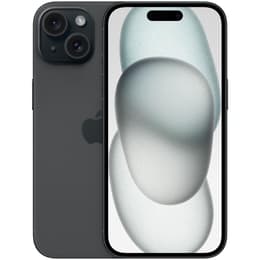
The Asus Zenfone 9 (2022) and the iPhone 15 (2023) are both compact smartphones, yet they cater to different user preferences through their distinct operating systems and hardware philosophies. While the Zenfone 9 runs on Android, offering a customizable experience, the iPhone 15 operates on iOS, known for its integrated ecosystem and streamlined interface. Key differentiators include their display technologies, camera systems, and overall design approach.
Colour
Storage
When considering the long-term usability of a smartphone, factors like software support, physical resilience, and repairability play a significant role. The Asus Zenfone 9, released in September 2022, typically receives Android OS updates for approximately two years from its launch, with security updates extending beyond that. The iPhone 15, launched in September 2023, benefits from Apple's longer software support cycle, often receiving major iOS updates for five to six years from its release. Both devices feature robust build quality with IP68 ratings for dust and water resistance, indicating a high level of protection against environmental elements.
Release year
Compatible with latest Update
Operating system
Foldable
Performance in a smartphone is crucial for daily tasks, from browsing and social media to demanding applications and gaming. The Asus Zenfone 9 offers configurations with up to 16 GB of RAM and storage options up to 256 GB, providing ample capacity for multitasking and storing a significant amount of data. Its processor is designed to handle intensive applications and graphically demanding games smoothly, maintaining consistent performance even under heavy load. The iPhone 15, equipped with 6 GB of RAM and storage options up to 512 GB, delivers a highly responsive user experience, excelling in app launch times and fluid navigation within the iOS ecosystem. Its processor is optimized for efficient power consumption while providing strong performance for a wide range of tasks, including advanced photo and video editing.
The display is a primary interface for any smartphone, and both the Asus Zenfone 9 and iPhone 15 offer high-quality viewing experiences with distinct characteristics. The Asus Zenfone 9 features a 5.9-inch Super AMOLED display with a 120Hz refresh rate, providing smooth scrolling and fluid animations. It offers a resolution of 1080 x 2400 pixels, resulting in sharp images and text, and supports HDR10+ for enhanced contrast and color. The iPhone 15 comes with a 6.1-inch Super Retina XDR OLED display, featuring a resolution of 2556 x 1179 pixels and a pixel density of 460 ppi for exceptional clarity. Its display maintains a 60Hz refresh rate but offers high peak brightness levels, reaching up to 2000 nits for excellent outdoor visibility.
Resolution
Screen type
Camera capabilities are a significant consideration for many users, and both the Asus Zenfone 9 and iPhone 15 offer advanced systems for capturing photos and videos. The Asus Zenfone 9 features a dual-camera setup with a 50 MP main sensor that includes gimbal optical image stabilization (OIS) for steady shots, alongside a 12 MP ultrawide lens. Its front camera is a 12 MP sensor with dual pixel PDAF. The iPhone 15 also has a dual-camera system, highlighted by a 48 MP main camera with sensor-shift OIS and a 12 MP ultrawide camera. It can capture 2x telephoto shots using its main sensor and produces 24 MP photos by default. The front-facing TrueDepth camera is 12 MP with autofocus.
Main camera
Front camera
Beyond core specifications, several practical elements contribute to the overall user experience of these smartphones. The Asus Zenfone 9 includes a 3.5mm headphone jack, a feature less common in modern smartphones, allowing for direct connection of wired headphones. It uses a side-mounted fingerprint sensor for biometric authentication. The iPhone 15 has transitioned to a USB-C port, aligning with a more universal charging and data transfer standard, though its data transfer speeds are comparable to older USB 2.0 standards. It relies on Face ID for secure facial recognition. Both devices support 5G connectivity for fast mobile data, along with modern Wi-Fi and Bluetooth standards.
Weight
Screen size (in)
Network
SIM card
Carrier compatibility
Connector
User feedback for the Asus Zenfone 9 often praises its compact size and impressive battery life for its form factor, making it a strong contender for those seeking a smaller Android device without compromising on power. Some users appreciate its clean Android interface and the inclusion of a headphone jack. Criticisms sometimes point to its shorter software update commitment compared to some competitors. The iPhone 15 is frequently lauded for its refined iOS experience, excellent camera performance with improved low-light capabilities, and the integration of the Dynamic Island for interactive notifications. Common observations include its consistent performance and robust ecosystem. Some users note the 60Hz refresh rate as a point of comparison with other modern smartphones.
Users prioritizing a highly compact Android phone with strong battery life and a traditional headphone jack may find the Asus Zenfone 9 well-suited to their needs. Those who value a longer software support window, a highly integrated ecosystem, and advanced computational photography features will likely lean towards the iPhone 15. Both devices offer a premium smartphone experience, and for those considering a more sustainable choice, quality-assured refurbished options for both models are available, providing an eco-friendly alternative to purchasing new.