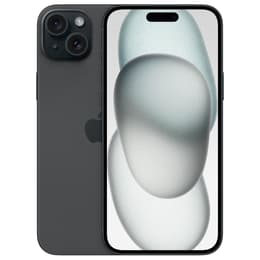

iPhone 13 Pro vs iPhone 15 Plus

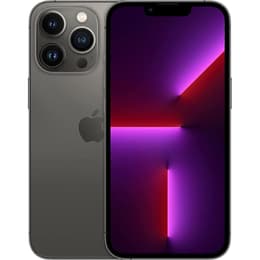
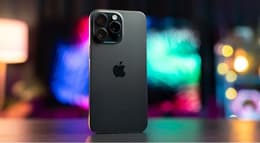
iPhone 13 Pro
iPhone 13 Pro
Starting at

Refurbished price:A$545.00

Versus A$1,539.00 new

See options
iPhone 15 Plus
iPhone 15 Plus
Starting at

Refurbished price:A$745.00

Versus A$1,399.00 new

See options

Ratings

The iPhone 13 Pro, released in September 2021, and the iPhone 15 Plus, launched in September 2023, represent different generations within Apple's smartphone lineup. While both operate on the iOS platform, the iPhone 15 Plus introduces a larger display with a modern interface element, an updated camera system, and a newer processor, distinguishing it from the iPhone 13 Pro's more compact form factor and professional-grade camera features.

Scores

Durability

When considering the practical lifespan of these devices, several factors come into play, including their release timelines and expected software support.

  • Release Timeline: The iPhone 13 Pro was released in September 2021, making it two years older than the iPhone 15 Plus, which debuted in September 2023. This age difference directly impacts their remaining software support.
  • OS Support Duration: Both devices receive regular iOS updates, but the iPhone 15 Plus, being newer, is expected to receive software support for a longer period, likely extending its functional life by at least two years compared to the iPhone 13 Pro. The iPhone 13 Pro launched with iOS 15 and is compatible with iOS 26, while the iPhone 15 Plus launched with iOS 17 and is also compatible with iOS 26.
  • Repairability: The iPhone 13 Pro received an iFixit repairability score of 5 out of 10, with display and battery replacements being prioritized, though software limitations could complicate third-party repairs. Information on the iPhone 15 Plus's repairability score is less detailed, but Apple generally designs its devices with some modularity for common repairs.

Release year

2021

2023

Compatible with latest Update

Yes

Yes

Operating system

iOS

iOS

Foldable

No

No

Performance

Both the iPhone 13 Pro and iPhone 15 Plus offer robust performance for daily tasks, but their underlying hardware provides different capabilities, particularly for demanding applications and multitasking.

  • Processor Capabilities: The iPhone 13 Pro is powered by an earlier generation processor, which capably handles everyday apps, gaming, and multitasking without significant slowdowns. The iPhone 15 Plus features a newer processor, offering enhanced efficiency and faster processing speeds, which translates to smoother performance in graphically intensive games, complex video editing, and future-proof readiness for upcoming software advancements.
  • Battery Behavior: The iPhone 15 Plus is noted for its exceptional battery longevity, often lasting more than a full day of heavy use and up to three days with casual usage, making it a strong contender for users prioritizing extended uptime. The iPhone 13 Pro also offers good battery life, typically providing a full day of use for most users, with around 12 hours in some tests.
  • Storage Options: The iPhone 13 Pro was available with storage options up to 1TB, catering to users with extensive storage needs for photos, videos, and applications. The iPhone 15 Plus offers storage configurations up to 512GB, which is ample for most users but less than the maximum offered by the 13 Pro.

Memory (GB)

6 GB

6 GB

Screen quality

The visual experience on both devices is delivered through high-quality OLED displays, though there are notable differences in size, refresh rate, and brightness.

  • Display Technology and Size: The iPhone 13 Pro features a 6.1-inch Super Retina XDR OLED display, providing vibrant colors and deep blacks in a more compact form factor. The iPhone 15 Plus boasts a larger 6.7-inch Super Retina XDR OLED display, offering an expansive viewing area for media consumption and productivity.
  • Refresh Rate and Smoothness: A key differentiator is the refresh rate; the iPhone 13 Pro includes ProMotion technology, allowing for an adaptive refresh rate up to 120Hz, which results in noticeably smoother scrolling and more fluid animations. The iPhone 15 Plus features a standard 60Hz refresh rate, which is consistent but does not offer the same level of visual fluidity as the 13 Pro's ProMotion display.
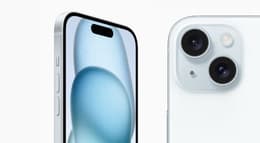
  • Brightness Levels: The iPhone 15 Plus offers significantly higher peak outdoor brightness, reaching up to 2000 nits, making it easier to view content clearly in direct sunlight. The iPhone 13 Pro has a peak HDR brightness of 1200 nits, which is still bright for most indoor and outdoor conditions but less intense than the 15 Plus in very bright environments. The iPhone 15 Plus also incorporates the Dynamic Island, a versatile interface element that replaces the traditional notch found on the iPhone 13 Pro.

Resolution

1170 x 2532

1290 x 2796

Screen type

Super Retina XDR OLED

Super Retina XDR OLED

Audiovisual

Both smartphones are equipped with advanced camera systems capable of capturing high-quality photos and videos, but they approach imaging with different hardware configurations and features.

  • Camera System Configuration: The iPhone 13 Pro features a versatile triple 12MP camera system, including a dedicated telephoto lens with 3x optical zoom, a wide lens, and an ultra-wide lens, along with a LiDAR scanner for improved low-light focusing and depth sensing. The iPhone 15 Plus utilizes a dual-camera system with a high-resolution 48MP main sensor that enables a 2x telephoto option through sensor cropping, alongside a 12MP ultra-wide lens.
  • Photography Performance: The iPhone 13 Pro excels in professional photography scenarios with its optical telephoto lens and macro photography capabilities. Its larger sensors and wider apertures on the main and ultra-wide cameras also contribute to strong low-light performance. The iPhone 15 Plus, with its 48MP main sensor and Photonic Engine, delivers detailed images, improved low-light performance, and enhanced portrait capabilities.
  • Video Recording Quality: Both devices offer excellent video recording, including Cinematic mode for shallow depth of field effects and 4K Dolby Vision HDR video. The iPhone 13 Pro also supports ProRes video recording, a feature beneficial for professional video workflows.

Main camera

12 megapixels

48 megapixels

Front camera

12 megapixels

12 megapixels

Miscellaneous

Beyond core performance and display, several practical elements differentiate the user experience between the iPhone 13 Pro and the iPhone 15 Plus.

  • Connectivity and Ports: The iPhone 13 Pro uses Apple's proprietary Lightning port for charging and data transfer. The iPhone 15 Plus transitions to a universal USB-C port, offering broader compatibility with accessories and potentially faster data transfer speeds with compatible devices. Both support 5G cellular connectivity, Wi-Fi 6, and Bluetooth for wireless communication.
  • Physical Design and Materials: The iPhone 13 Pro features a stainless steel frame and a textured matte glass back, contributing to a more substantial feel and a premium aesthetic. It weighs 204 grams. The iPhone 15 Plus utilizes an aluminum frame with a color-infused glass back, resulting in a slightly lighter device at 201 grams. Both models feature Ceramic Shield front covers for enhanced durability and are rated IP68 for water and dust resistance.
  • Biometric Security: Both devices rely on Face ID for secure facial recognition and authentication.

Weight

203 oz

201 oz

Screen size (in)

6,1

6.7

Network

5G

5G

SIM card

Physical SIM + eSIM

Physical SIM + eSIM

Carrier compatibility

Unlocked

Unlocked

Connector

Lightning

USB-C (USB 2)

The iPhone 13 Pro and iPhone 15 Plus cater to slightly different user preferences, reflecting their respective positions in Apple's product evolution. Users often praise the iPhone 13 Pro for its ProMotion display, offering incredibly smooth scrolling and responsiveness, and its dedicated telephoto lens, which provides genuine optical zoom for photography enthusiasts. Some common criticisms for the 13 Pro, particularly in comparison to newer models, might include its smaller screen size and the presence of the notch, which takes up more screen real estate than the Dynamic Island.

The iPhone 15 Plus is frequently lauded for its significantly larger display, providing an immersive viewing experience, and its exceptional battery life, often cited as one of the best in its class, capable of lasting well over a day even with heavy usage. The adoption of USB-C is also a widely appreciated change for its universal compatibility. However, some users might note the absence of a high refresh rate display and a dedicated optical telephoto lens as areas where it doesn't match the 'Pro' experience.

Users prioritizing a compact device with a high refresh rate display and a dedicated optical telephoto camera for versatile photography may find the iPhone 13 Pro well-suited to their needs. Conversely, those who value a larger screen, industry-leading battery life, the modern Dynamic Island interface, and the convenience of USB-C connectivity will likely lean towards the iPhone 15 Plus. Both devices offer a quality-assured refurbished option, providing an eco-friendly alternative for consumers seeking to make informed and sustainable choices.
See all articles

Our recent comparisons