
Compare models
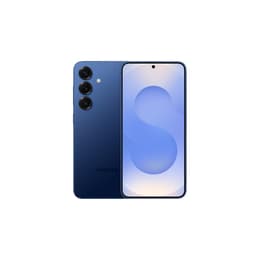
Galaxy S25 vs Galaxy Z Flip7
- 1-year warranty
- Free standard shipping
- Free 30-day returns
Differences at a glance
The Samsung Galaxy S25 (2025) and the Samsung Galaxy Z Flip7 (2025) represent two distinct form factors within Samsung's smartphone lineup, contrasting a traditional slate design with a compact clamshell foldable. While both devices operate on the Android platform with Samsung's custom interface, they cater to entirely different user preferences through their physical construction. The core differentiator lies in the Z Flip7's ability to fold in half for enhanced portability, whereas the Galaxy S25 focuses on a classic, lightweight candy-bar build optimized for one-handed operation.
Available Models
Colour
Storage
Scores
Durability
Both devices arrive from the same product generation, offering modern hardware longevity and long-term software support frameworks designed to span multiple years of routine usage.
- Software lifecycle: Both models benefit from extensive manufacturer software support schedules, providing long-term security updates and operating system upgrades.
- Hardware durability: The Galaxy S25 utilizes a rigid glass and aluminum slate construction, whereas the Galaxy Z Flip7 features a folding display mechanism requiring specialized hinge engineering and protective screen layers.
- Practical lifespan: Traditional slate builds like the Galaxy S25 generally present fewer mechanical wear points over extended periods, while foldable devices appeal to users willing to navigate specific hinge maintenance considerations.
Release year
2025
2025
Operating system
Android
Android
Foldable
No
Yes
Performance
System responsiveness and everyday operation remain smooth across both smartphones, handling multitasking, demanding applications, and navigation without noticeable stutter.
- Memory and storage configurations: Both models come equipped with ample system memory to maintain active background applications and support fluid multitasking workflows.
- Battery behavior: The Galaxy S25 relies on a standard internal capacity suited for moderate daily use, while the Galaxy Z Flip7 accommodates a slightly larger power cell to support its dual-screen configuration during typical daily routines.
- Processing capabilities: Both devices deliver swift app loading speeds and responsive gaming performance, ensuring demanding software runs reliably during extended mobile sessions.
Screen quality
Visual output is a primary focus for both models, utilizing advanced display technologies to deliver crisp text, rich contrast, and high peak brightness levels for outdoor visibility.
- Display technology: The Galaxy S25 features a traditional flat panel with high pixel density, while the Galaxy Z Flip7 introduces a flexible main folding screen alongside an expanded external cover display for quick interactions.
- Refresh rate dynamics: Both smartphones support adaptive refresh rates scaling up to high frequencies, ensuring smooth scrolling through web pages and fluid animation transitions.
- Outdoor legibility: High maximum brightness outputs on both devices allow content to remain easily readable under direct sunlight or in brightly lit environments.
Resolution
1080x2340
1080x2520
Audiovisual
Photography and media consumption capabilities are robust on both handsets, offering versatile lens configurations for everyday moments and video recording.
- Rear camera setups: The Galaxy S25 utilizes a multi-lens rear array including dedicated ultra-wide and telephoto options, whereas the Galaxy Z Flip7 pairs a primary wide lens with an ultra-wide sensor while leveraging its folding design for versatile tabletop angles.
- Video and audio output: Both models capture stable, high-resolution video clips paired with clear microphone pickup for calls, alongside stereo speakers that provide balanced media playback for videos and music.
- Low-light performance: Advanced image processing helps both devices capture balanced shots in dim lighting conditions by reducing noise and preserving natural details.
Miscellaneous
Physical dimensions, handling characteristics, and connectivity standards shape how each device fits into daily travel and workspace routines.
- Connectivity and ports: Both smartphones support current 5G cellular networks, rapid Wi-Fi standards, Bluetooth connectivity, and rely on standard USB-C connection ports for charging and data transfer.
- Dimensions and weight: The Galaxy S25 offers a slim, lightweight slate profile that slips easily into pockets, while the Galaxy Z Flip7 adopts a shorter footprint when folded, making it compact to carry despite being slightly thicker.
- Biometric security: Both devices incorporate rapid biometric authentication methods, including facial recognition and integrated fingerprint sensors, to secure personal data.
Weight
162 oz
188 oz
Screen size (in)
6.2
6.9
Network
5G
5G
SIM card
Physical SIM + eSIM
Physical SIM + eSIM
Carrier compatibility
Unlocked
Unlocked
What the community thinks
User feedback from online communities highlights distinct preferences for each device based on daily habits. Owners of the Galaxy S25 frequently praise its lightweight handling, reliable pocketability, and traditional camera versatility. Conversely, users drawn to the Galaxy Z Flip7 highlight the convenience of the compact folded size and the utility of the outer cover screen for checking notifications without unfolding the phone. Frequent discussions also note that traditional slate designs appeal to users seeking maximum physical simplicity, while foldables attract those interested in innovative form factors.
Users prioritizing a traditional lightweight build, classic pocket storage, and standard multi-lens photography will find the Galaxy S25 well-suited to their needs. Meanwhile, users prioritizing a compact footprint, innovative folding versatility, and a secondary outer display may lean toward the Galaxy Z Flip7. For buyers exploring sustainable purchasing avenues, choosing a quality-assured refurbished option through platforms like Back Market provides an eco-friendly alternative that extends device lifecycles. Ultimately, the decision depends on whether a traditional slate design or a flexible folding format better matches daily routines.