Compare models
Galaxy Z Flip7 vs iPhone 15 Plus
- 1-year warranty
- Free standard shipping
- Free 30-day returns
Differences at a glance
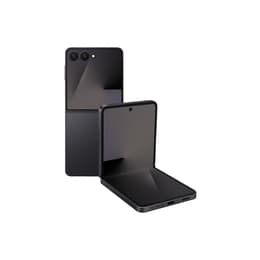
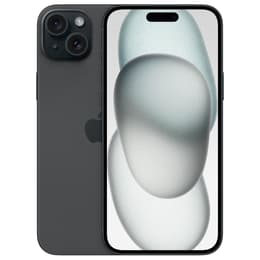
The Samsung Galaxy Z Flip7 (2025) and the Apple iPhone 15 Plus (2023) represent two distinct approaches to modern smartphone design, contrasting a foldable clamshell form factor with a traditional large-screen slate layout. While the Galaxy Z Flip7 brings a flexible display and a sprawling edge-to-edge cover screen running on Android, the iPhone 15 Plus offers a conventional rigid glass body powered by iOS with a focus on media consumption and battery endurance. Both devices target users looking for modern smartphone features, but they achieve this through completely different hardware architectures and operating systems.
Available Models
Colour
Storage (GB)
Scores
Durability
When evaluating structural longevity and software support, both devices are built to remain functional for years, though their physical designs introduce unique considerations.
- Software Support: Both manufacturers provide long-term security and operating system updates, ensuring the software remains current and secure for several years following release.
- Hardware Resilience: The iPhone 15 Plus utilizes a rigid aluminum and glass construction with high drop resistance, whereas the Galaxy Z Flip7 features a foldable main screen that requires careful handling around the hinge mechanism over extended use.
- Lifespan Expectations: Traditional slate designs typically experience fewer mechanical wear points over time, while foldable models depend heavily on hinge durability during everyday folding cycles.
Release year
2025
2023
Operating system
Android
iOS
Foldable
Yes
No
Performance
Underneath their exteriors, both smartphones manage everyday workloads, navigation, and mobile applications with dependable fluidity.
- Multitasking and Responsiveness: Both models handle resource-intensive applications, web browsing, and switching between multiple open programs smoothly without noticeable stutter.
- Battery Behavior: The iPhone 15 Plus provides robust daily power endurance that easily sails through heavy use, while the Galaxy Z Flip7 balances a compact folding footprint with a slightly smaller battery capacity that may require a midday recharge under intensive workloads.
- Storage Configurations: Both devices are offered in generous internal storage tiers, ensuring ample space for offline media, applications, and large photo libraries.
Screen quality
Visual output differs significantly due to the fundamental contrast between a foldable folding panel and a large rigid display.
- Display Technology: Both models use advanced organic light-emitting diode technology, delivering deep black levels, high contrast ratios, and vivid color reproduction for videos and photos.
- Brightness and Outdoor Clarity: Both screens reach high peak brightness thresholds, making outdoor text and navigation clear even under direct sunlight.
- Viewing Area: The iPhone 15 Plus provides a wide, uninterrupted flat viewing surface ideal for movies, whereas the Galaxy Z Flip7 offers a tall main screen alongside a functional external cover screen for quick notifications without opening the phone.
Resolution
1080x2520
1290 x 2796
Audiovisual
Optics and media capture capabilities on both devices cater well to casual photography and content creation.
- Main Camera Performance: Both phones capture sharp, detailed everyday photographs with strong dynamic range and reliable low-light processing.
- Versatility and Zoom: Both configurations rely primarily on high-resolution primary sensors paired with ultra-wide options, though the folding design of the Galaxy Z Flip7 allows for unique freestanding tabletop photo angles without a tripod.
- Audio and Video: Built-in microphone arrays and stereo speakers on both devices deliver clear call quality and immersive sound reproduction for media playback.
Miscellaneous
Practical daily usability is shaped by physical dimensions, biometric security, and connectivity features.
- Dimensions and Weight: The iPhone 15 Plus feels wider and lighter as a standard large-screen phone, while the Galaxy Z Flip7 folds down into a compact square that slips easily into smaller pockets.
- Biometrics: The iPhone relies on facial recognition technology, whereas the Galaxy Z Flip7 integrates a responsive fingerprint sensor into the side power key.
- Ports and Charging: Both models feature modern universal USB-C ports for charging and data synchronization, moving away from legacy proprietary cables.
Weight
188 oz
201 oz
Screen size (in)
6.9
6.7
Network
5G
5G
SIM card
Physical SIM + eSIM
Physical SIM + eSIM
Carrier compatibility
Unlocked
Unlocked
What the community thinks
Choosing between these two devices depends entirely on personal workflow preferences and physical form factor priorities. Users prioritizing a compact pocket footprint, a functional external cover screen for notifications, and unique folding angles may prefer the Galaxy Z Flip7. Conversely, users seeking a traditional large viewing slate with extended battery longevity and a rigid frame will find the iPhone 15 Plus well-suited to their needs. For those considering an eco-friendly alternative, exploring a quality-assured refurbished option provides a sustainable way to acquire either device without compromising on performance or reliability.