
Compare models

iPhone 13 Pro Max vs iPhone XR

  • 1-year warranty
  • Free standard shipping
  • Free 30-day returns
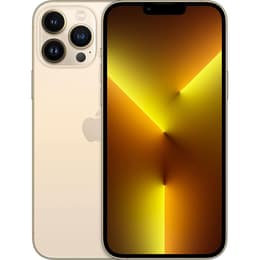
iPhone 13 Pro Max
iPhone 13 Pro Max
Starting at

Refurbished price:A$579.00

Versus A$1,849.00 new

See options
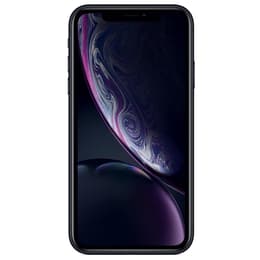
iPhone XR
iPhone XR
Starting at

Refurbished price:A$222.00

Versus A$589.00 new

See options

Differences at a glance

The iPhone 13 Pro Max, released in 2021, and the iPhone XR, launched in 2018, represent different stages in Apple's smartphone development. While both operate on the iOS platform, offering a consistent software experience, they cater to distinct user preferences due to a three-year gap in their technological advancements. The primary distinctions between these two models lie in their physical size, the sophistication of their camera systems, and the underlying hardware that influences their performance and longevity.

Scores

Durability

When evaluating the long-term viability of these devices, their respective release years significantly impact expected software support and physical resilience.

  • Software Longevity: The iPhone 13 Pro Max, being a 2021 release, is anticipated to receive iOS updates for several years longer than the iPhone XR. While the iPhone XR has demonstrated notable endurance since its 2018 launch, it is closer to the end of its official support cycle, potentially limiting its compatibility with the newest app versions in the future. The iPhone XR and XS series stopped receiving the 2025 iOS update, iOS 26, but Apple continues to issue security updates for these phones.
  • Build Materials and Resilience: The iPhone 13 Pro Max features a stainless steel frame and a Ceramic Shield front cover, contributing to a high level of structural integrity and enhanced drop protection. The iPhone XR, in contrast, uses an aluminum frame and standard glass. The newer model also boasts an improved IP68 water and dust resistance rating, making it more resilient to accidental submersion compared to the iPhone XR's IP67 rating.
  • Practical Lifespan: Users report the iPhone 13 Pro Max to be very durable, with some experiencing minimal damage even after significant drops without a case. Both devices are supported by repair networks, though the iPhone XR's simpler internal design might make certain repairs more straightforward. However, the 13 Pro Max's more modern construction is designed to withstand daily wear and tear more effectively, potentially reducing the frequency of necessary repairs over its functional life.

Release year

2021

2018

Compatible with latest Update

Yes

Yes

Operating system

iOS

iOS

Foldable

No

No

Performance

The performance capabilities of the iPhone 13 Pro Max and iPhone XR show a clear progression in mobile technology, impacting how smoothly users can interact with their devices and applications.

  • System Responsiveness: The iPhone 13 Pro Max handles demanding applications, such as high-resolution video editing and graphic-intensive games, with ease, alongside rapid app switching due to its more advanced internal architecture. The iPhone XR remains capable for everyday tasks like messaging, social media, and web browsing, but users may experience slightly longer loading times when opening larger files or complex applications.
  • Multitasking Capacity: With more temporary memory (RAM) available, the iPhone 13 Pro Max can maintain more applications open in the background without needing to refresh them, providing a smoother multitasking experience. The iPhone XR, having less RAM, may refresh background apps more frequently, which can be noticeable during heavy usage.
  • Battery Behavior: The iPhone 13 Pro Max is designed to last through a full day of heavy use, including video streaming and GPS navigation, often extending to two days for average users. The iPhone XR, while noted for its battery efficiency at its launch, has a smaller physical battery that may require a mid-day charge for users who frequently use their phones.

Memory (GB)

6 GB

3 GB

Screen quality

The visual experience on these two iPhones differs significantly, primarily due to advancements in display technology and design over their respective release periods.

  • Display Technology: The iPhone 13 Pro Max features a 6.7-inch Super Retina XDR OLED display, which delivers deep blacks and high contrast by individually illuminating pixels. In contrast, the iPhone XR uses a 6.1-inch Liquid Retina HD LCD screen, which relies on a backlight. This results in the 13 Pro Max offering more vibrant colors and better clarity, particularly when viewing media in darker environments.
  • Smoothness and Motion: A key feature of the iPhone 13 Pro Max is its ProMotion technology, an adaptive refresh rate that can adjust up to 120 times per second. This makes scrolling and animations appear much smoother compared to the iPhone XR, which has a standard 60Hz refresh rate.
  • Brightness and Clarity: The iPhone 13 Pro Max can achieve much higher brightness levels, making its screen easier to read under direct sunlight and providing a more impactful HDR viewing experience. While the iPhone XR is functional outdoors, users may find themselves seeking shade or shielding the screen to see details clearly on very bright days.

Resolution

1284 x 2778

828 x 1792

Screen type

Super Retina XDR OLED

Liquid Retina IPS LCD

Audiovisual

The camera systems on the iPhone 13 Pro Max and iPhone XR reflect a significant evolution in mobile photography, offering different capabilities for capturing photos and videos.

  • Camera System Capabilities: The iPhone 13 Pro Max features a versatile triple 12MP camera system, including Telephoto, Wide, and Ultra Wide lenses, along with advanced features like Cinematic mode, Photographic Styles, and ProRes video recording. The iPhone XR is equipped with a single 12MP Wide camera, capable of Portrait mode for people and Smart HDR.
  • Low-Light Performance: Thanks to larger sensors and dedicated software features like Night Mode, the iPhone 13 Pro Max excels at capturing clear, detailed photos in dim environments. The iPhone XR lacks a dedicated Night Mode, often resulting in grainier or darker images when shooting indoors or after sunset.
  • Video Recording and Audio: For video creators, the iPhone 13 Pro Max offers advanced stabilization, the ability to record with a shallow depth-of-field effect (Cinematic Mode), and improved microphone arrays that better isolate voices from background noise. The iPhone XR can record 4K video at up to 60 frames per second and includes optical image stabilization for both video and stills, but lacks the more advanced cinematic features of the 13 Pro Max.

Main camera

12 megapixels

12 megapixels

Front camera

12 megapixels

7 megapixels

Miscellaneous

Beyond core performance and display, several practical elements differentiate the user experience between the iPhone 13 Pro Max and the iPhone XR.

  • Connectivity Options: The iPhone 13 Pro Max supports 5G networks, enabling faster download and upload speeds in areas with compatible coverage, and features Wi-Fi 6 for improved wireless performance. The iPhone XR is limited to 4G LTE and Wi-Fi 5, which are still widely used but offer slower speeds compared to the newer standards.
  • Physical Design and Handling: The iPhone 13 Pro Max is a larger and heavier device, weighing 240 grams with a 6.7-inch screen, often requiring two-handed use. The iPhone XR is lighter at 194 grams and features a 6.1-inch screen, making it more comfortable for users who prefer a device that can be operated more easily with one hand.
  • Charging and Ports: Both devices utilize the Lightning port for charging and data transfer. The iPhone 13 Pro Max supports faster wired charging and 15W MagSafe wireless charging, while the iPhone XR supports standard Qi wireless charging. Both models feature Face ID for secure authentication.

Weight

238 oz

194 oz

Screen size (in)

6.7

6.1

SIM card

Physical SIM + eSIM

Physical SIM + eSIM

Carrier compatibility

Unlocked

Unlocked

Connector

Lightning

Lightning

What the community thinks

The iPhone 13 Pro Max and iPhone XR cater to different user needs, reflecting the technological advancements over their three-year separation. Users frequently praise the iPhone 13 Pro Max for its exceptional battery life, often lasting two days for many, its advanced camera system with features like Cinematic Mode and ProRes, and its vibrant 120Hz OLED display. Some common criticisms include its substantial size and weight, which can make one-handed use challenging.

Conversely, the iPhone XR was lauded at its release for its reliable performance, good battery life for its time, and a more manageable form factor. User feedback often points to its camera limitations compared to newer models, particularly the absence of Night Mode and a telephoto lens, and its LCD display being less vibrant than OLED screens.

Users prioritizing extended battery life, a professional-grade camera system, and a large, fluid display will find the iPhone 13 Pro Max well-suited to their needs. This device is ideal for content creators, heavy users, and those who consume a lot of media on their phone. On the other hand, users who value a more compact and lighter device for everyday communication and browsing, and who do not require the latest camera innovations, may lean towards the iPhone XR. It remains a capable device for standard tasks.

For those considering either model, exploring quality-assured refurbished options can provide an eco-friendly alternative, extending the life of these devices and making informed, sustainable choices.