
Compare models

Galaxy Z Fold7 vs Google Pixel 8 Pro

  • 1-year warranty
  • Free standard shipping
  • Free 30-day returns
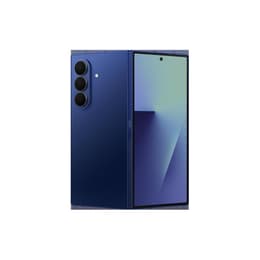
Galaxy Z Fold7
Starting at

Refurbished price:A$1,300.00

Versus A$2,499.00 new

See options
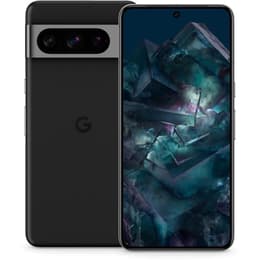
Google Pixel 8 Pro
Starting at

Refurbished price:A$449.00

Versus A$1,859.00 new

See options

Differences at a glance

The Samsung Galaxy Z Fold 7 (2025) and the Google Pixel 8 Pro (2023) represent two distinct visions of modern smartphone design, contrasting a book-style foldable device with a traditional flagship candybar form factor. While the Galaxy Z Fold 7 offers a flexible dual-screen layout that expands into a tablet-sized workspace, the Google Pixel 8 Pro delivers a rigid, durable slate configuration centered around computational photography and straightforward everyday utility. Both devices operate on the Android platform with customized user interfaces, yet their hardware foundations target fundamentally different user workflows and handling preferences.

Available Models

Colour

Storage (GB)

Scores

Durability

When evaluating long-term utility and maintenance, both devices provide extensive software backing alongside different physical durability profiles suited to distinct handling styles.

  • Software Support Window: Both manufacturers commit to long-term software longevity, offering extended operating system updates and security patches that ensure both models remain current for years following release.
  • Physical Construction: The Galaxy Z Fold 7 features an intricate folding hinge mechanism and flexible internal screen requiring careful handling, whereas the Google Pixel 8 Pro utilizes a rigid slab chassis with fixed glass panels that generally withstand everyday drops with fewer mechanical vulnerabilities.
  • Repairability Expectations: Traditional slab smartphones like the Pixel 8 Pro typically present simpler repair procedures for component replacements, while folding displays and hinge assemblies demand specialized maintenance processes.

Release year

2025

2023

Foldable

Yes

No

Performance

Underneath the surface, these devices handle demanding mobile applications, multitasking requirements, and everyday tasks through powerful internal hardware configurations and robust memory management.

  • System Responsiveness: Both models handle heavy app loading, high-refresh-rate gaming, and split-screen multitasking smoothly, though the Galaxy Z Fold 7 benefits from a later-generation processing architecture that offers extra performance headroom for intensive tasks.
  • Battery Behavior: The Pixel 8 Pro relies on a larger single-cell capacity to sustain a full day of mixed use, whereas the Galaxy Z Fold 7 manages power across two distinct displays, meaning heavy reliance on the expansive inner screen results in more frequent charging intervals.
  • Multitasking Capabilities: The Galaxy Z Fold 7 provides generous memory configurations paired with specialized window-management software, while the Pixel 8 Pro handles conventional background tasks and application switching reliably with standard memory allotments.

Screen quality

Visual output represents a major point of divergence, as one device prioritizes transformable screen estate while the other focuses on a fixed, high-clarity viewing area.

  • Display Technology: The Galaxy Z Fold 7 deploys flexible organic light-emitting diode panels for both its outer cover and its massive 8-inch inner tablet display, while the Pixel 8 Pro features a single rigid organic light-emitting diode panel with high pixel density.
  • Outdoor Visibility: Both displays achieve high peak brightness levels that maintain legibility under direct sunlight, though reflective properties vary between flexible plastic-backed folding screens and traditional glass slab screens.
  • Refresh Rate and Motion: Both devices support smooth high refresh rates that adapt dynamically to on-screen content, ensuring fluid scrolling, responsive touch input, and seamless animations during media consumption.

Resolution

1968x2184

1344 x 2992

Audiovisual

Imaging hardware and media output cater to different content creation habits, balancing versatile multi-lens arrays with advanced automated software enhancement.

  • Camera System Setup: The Pixel 8 Pro equips a triple-lens rear array featuring a high-resolution telephoto lens optimized for optical zoom, while the Galaxy Z Fold 7 incorporates a high-megapixel main sensor alongside flexible shooting angles enabled by its folding form factor.
  • Low-Light and Processing: Google relies heavily on advanced computational photography to balance challenging lighting conditions automatically, whereas Samsung emphasizes hardware detail capture and manual pro-level adjustments.
  • Media Consumption: Stereo speakers on both devices deliver clear audio output for calls and video playback, though the larger unfolded acoustic chamber of the Galaxy Z Fold 7 provides a slightly wider soundstage for media viewing.

Miscellaneous

Practical everyday usage factors, including physical dimensions, connectivity standards, and biometric security, define how each phone integrates into daily routines.

  • Dimensions and Handling: The Pixel 8 Pro follows a standard widescreen smartphone footprint that fits easily into most pockets, while the Galaxy Z Fold 7 offers a tall, narrow cover screen that unfolds into a much broader, thinner profile.
  • Biometric Authentication: Both devices feature rapid biometric security options, combining facial recognition capabilities with secure fingerprint sensors integrated directly into the power button or display glass.
  • Connectivity and Ports: Modern wireless standards, including comprehensive 5G network compatibility and fast Wi-Fi protocols, are standard on both models alongside reversible USB-C charging ports.

Weight

215 oz

213 oz

Screen size (in)

8.0

6.7

Network

5G

5G

SIM card

Dual Physical SIM + eSIM

Physical SIM + eSIM

Carrier compatibility

Unlocked

Unlocked

What the community thinks

User feedback from online communities highlights distinct preferences for each device, with Pixel 8 Pro owners frequently praising its reliable daily battery endurance, comfortable ergonomics, and consistent point-and-shoot camera results. At the same time, users often note that its rigid form factor lacks the expansive screen space required for mobile document editing. Conversely, Galaxy Z Fold 7 users value the productivity advantages of the large inner workspace and updated thinner chassis, while occasionally expressing caution regarding the delicate nature of folding screens and the narrower dimensions of the outer cover display.

Users who prioritize traditional ergonomics, straightforward one-handed operation, and automated photography will find the Google Pixel 8 Pro well-suited to their daily routines. Meanwhile, users who prefer multitasking with multiple applications side-by-side or desire a pocket-sized tablet experience will lean toward the Galaxy Z Fold 7. Choosing between them depends entirely on whether a traditional slab layout or a transformable folding design matches your personal workflow. For those exploring sustainable purchasing routes, opting for a quality-assured refurbished option provides an eco-friendly alternative that extends device life cycles without compromising on performance standards.