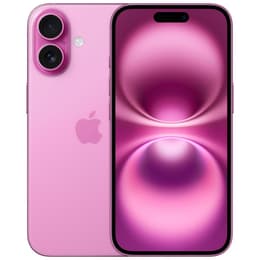

iPhone
Compare models
Differences at a glance
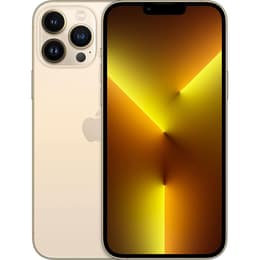
The iPhone 13 Pro Max, released in September 2021, and the iPhone 16, launched in September 2024, represent different generations within Apple's smartphone lineup. While both devices offer a premium iOS experience, the iPhone 16 introduces significant advancements in processing power, camera technology, and connectivity, reflecting three years of technological evolution. The iPhone 13 Pro Max, as a 'Pro Max' model, originally featured Apple's most advanced display and camera system for its generation, whereas the iPhone 16 is a base model that benefits from newer core components and features.
Colour
Storage
When considering the longevity of these devices, their respective release dates play a crucial role in expected software support and overall practical lifespan.
Release year
Compatible with latest Update
Foldable
The performance gap between the iPhone 13 Pro Max and the iPhone 16 is notable, primarily due to the generational leap in their internal components.
Both iPhones offer high-quality displays, but there are key differences in their underlying technology and features that impact the viewing experience.
Resolution
Screen type
The camera systems on both the iPhone 13 Pro Max and the iPhone 16 are designed to capture high-quality images and videos, but they cater to different user needs and incorporate generational improvements.
Main camera
Front camera
Beyond core performance and camera capabilities, several practical elements differentiate the iPhone 13 Pro Max and the iPhone 16.
Weight
Screen size (in)
Network
SIM card
Carrier compatibility
Connector
The iPhone 13 Pro Max and iPhone 16 cater to different priorities, reflecting their respective positions in Apple's product evolution. Users often praise the iPhone 13 Pro Max for its exceptional battery life, which was a significant highlight at its release, often lasting up to two days for many users. Its ProMotion display, offering a smooth 120Hz refresh rate, also received widespread acclaim for enhancing the user experience. However, some users found its large size and weight to be a consideration for one-handed use. The iPhone 16, being a newer base model, is generally lauded for its updated performance, longer software support, and the convenience of its USB-C port. Its newer camera system, while lacking a dedicated telephoto lens, benefits from improved sensors and computational photography. Some users might note that the base iPhone 16's display does not include ProMotion, which was a premium feature on the 13 Pro Max.
Users prioritizing a larger display with a high refresh rate and a dedicated telephoto camera might find the iPhone 13 Pro Max still well-suited to their needs, especially for media consumption and photography versatility. Conversely, users who value the latest processing power, extended software longevity, the universal compatibility of USB-C, and newer camera features like spatial video recording will lean towards the iPhone 16. For those seeking a quality-assured refurbished option, both models are available, offering an eco-friendly alternative to purchasing new. Ultimately, the choice depends on whether a user prioritizes the advanced display and camera hardware of an older Pro Max model or the newer core technology and extended support of a more recent base model.