
Compare models

Galaxy S25 vs Galaxy S26 Ultra

  • 1-year warranty
  • Free standard shipping
  • Free 30-day returns
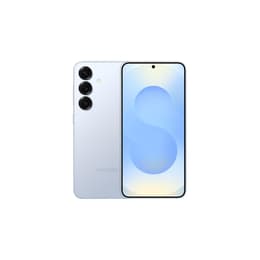
Galaxy S25
Starting at

Refurbished price:A$729.00

Versus A$1,399.00 new

See options
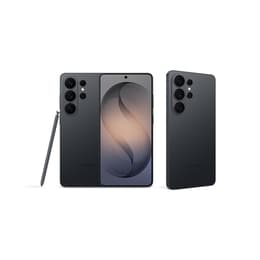
Galaxy S26 Ultra
Starting at

Refurbished price:A$1,516.00

Versus A$2,199.00 new

See options

Differences at a glance

The Samsung Galaxy S25 (2025) and Samsung Galaxy S26 Ultra (2026) represent different tiers and generations of Samsung's flagship smartphone ecosystem. While both devices deliver robust performance and sophisticated mobile experiences, they cater to distinct user needs through their contrasting physical footprints, hardware capabilities, and release timelines. Operating on modern versions of Android, these smartphones illustrate how compact everyday flagships compare against ultra-tier productivity powerhouses.

Available Models

Colour

Storage (GB)

Scores

Durability

Long-term durability and software longevity differ slightly between these models due to their release timeline and tier classification, though both are built to receive extended multi-year support.

  • Software Support: The Galaxy S26 Ultra benefits from a later release date, securing an extended window of major operating system updates compared to its predecessor.
  • Build Integrity: Both handsets feature durable glass and aluminum framework engineered to withstand daily wear, alongside robust water resistance ratings for everyday peace of mind.
  • Expected Lifespan: High-capacity internal components and sustained software maintenance ensure both devices maintain reliable performance over several years of continuous use.

Release year

2025

2026

Operating system

Android

Android

Foldable

No

No

Performance

System responsiveness and everyday multitasking handle demanding workflows efficiently across both models, though their internal configurations and power management vary.

  • Multitasking and Speed: Both devices load heavy applications quickly and manage demanding background tasks smoothly, though the newer processor in the Galaxy S26 Ultra provides additional headroom for intensive workloads.
  • Battery Behavior: The Galaxy S26 Ultra includes a larger physical battery capacity suited for extended media consumption, whereas the Galaxy S25 relies on efficient power scaling to sustain standard daily usage patterns.
  • Storage Configurations: Users can select from a wide range of internal storage tiers to accommodate large media libraries and heavy application data.

Screen quality

Display characteristics vary significantly in physical scale and maximum viewing area, while maintaining high visual clarity and smooth motion handling.

  • Display Technology: Both models utilize advanced organic light-emitting diode panels that deliver deep contrast levels, sharp text rendering, and vivid color reproduction.
  • Refresh Rate and Smoothness: High refresh rate support ensures fluid scrolling through web pages and responsive animation transitions during navigation.
  • Outdoor Visibility: High peak brightness capabilities on both screens allow for clear legibility even under direct sunlight.

Resolution

1080x2340

1440x3120

Audiovisual

Photography and media capture capabilities span from versatile everyday recording setups to comprehensive multi-lens configurations equipped for specialized zoom tasks.

  • Lens Versatility: The Galaxy S26 Ultra incorporates an advanced quad-lens array featuring high-resolution periscope zoom hardware, while the Galaxy S25 utilizes a streamlined triple-lens system focused on everyday focal lengths.
  • Low-Light Performance: Both devices capture clear, detailed images in dim environments by utilizing advanced image processing algorithms to reduce noise.
  • Media Consumption: Stereo speaker output delivers clear audio for video playback, calls, and general media streaming on both smartphones.

Miscellaneous

Physical dimensions and connectivity standards shape how each smartphone feels during everyday handling and travel.

  • Handling and Portability: The Galaxy S25 offers a compact, lightweight form factor designed for easy single-handed use, whereas the Galaxy S26 Ultra provides a larger workspace accompanied by built-in stylus support.
  • Connectivity Options: Both models support modern cellular networks, fast wireless standards, and rapid data transfer protocols via USB-C connectivity.
  • Security Sensors: Quick biometric authentication is provided via responsive in-display fingerprint sensors and secure facial recognition features.

Weight

162 oz

214 oz

Screen size (in)

6.2

6.9

Network

5G

5G

SIM card

Physical SIM + eSIM

Physical SIM + eSIM

Carrier compatibility

Unlocked

Unlocked

What the community thinks

User discussions across community forums highlight distinct preferences for each device based on physical size and feature sets. Users frequently praise the Galaxy S25 for its pocket-friendly dimensions and light build, making it comfortable for single-handed navigation. Conversely, owners of the Galaxy S26 Ultra often commend its expansive display, versatile zoom photography, and productivity features. Some users note that the larger device can feel heavy during extended one-handed use, while others mention that the compact model requires more frequent charging under heavy workloads.

Users prioritizing a lightweight, compact footprint for everyday convenience may prefer the Galaxy S25, while users prioritizing expansive screen real estate, advanced zoom lenses, and productivity tools will lean toward the Galaxy S26 Ultra. Those seeking a quality-assured refurbished option can explore sustainable choices through Back Market to find certified pre-owned versions of these devices. Ultimately, the right choice depends on whether portability or maximum hardware capability aligns best with your daily routine.