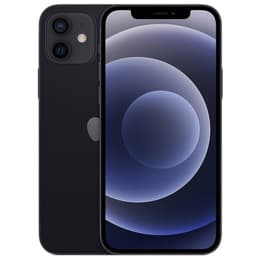
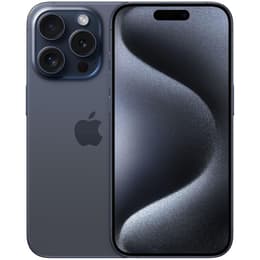

iPhone 12 vs iPhone 15 Pro

iPhone 12
iPhone 12
Starting at

Refurbished price:A$303.00

Versus A$1,129.00 new

See options
iPhone 15 Pro
iPhone 15 Pro
Starting at

Refurbished price:A$873.00

Versus A$1,849.00 new

See options

Ratings

The iPhone 12, released in October 2020, and the iPhone 15 Pro, launched in September 2023, represent different generations within Apple's smartphone lineup. While both operate on the iOS platform, the iPhone 15 Pro introduces significant advancements in processing power, camera technology, display features, and design materials. This comparison aims to highlight the practical differences between these two devices to assist in making an informed decision.

Scores

Durability

The longevity of a smartphone is influenced by its physical durability and the duration of software support it receives.

  • Release Timeline: The iPhone 12, released in October 2020, is an older model compared to the iPhone 15 Pro, which debuted in September 2023. This age difference directly impacts their remaining software support lifespan.
  • Software Support: The iPhone 12 is expected to receive major iOS updates until approximately 2027, with security updates potentially extending a bit further. The iPhone 15 Pro, being a much newer device, is anticipated to receive major software updates until at least 2028, and potentially up to 2030 or 2031, offering a longer period of access to new features and security enhancements.
  • Physical Durability: Both models feature a Ceramic Shield front cover, which provides enhanced drop performance. The iPhone 12 has an aluminum frame, while the iPhone 15 Pro utilizes a more robust and lighter aerospace-grade titanium frame. Both devices carry an IP68 rating for water and dust resistance, allowing submersion up to 6 meters for 30 minutes. The iPhone 15 Pro also features a more repairable internal design.

Release year

2020

2023

Compatible with latest Update

Yes

Yes

Operating system

iOS

iOS

Foldable

No

No

Performance

Performance differences between these two models are notable, primarily due to the generational leap in internal components.

  • Processing Power: The iPhone 12 is equipped with a capable processor that handles everyday applications and multitasking smoothly. For its time, it offered strong performance. The iPhone 15 Pro, however, features a significantly more advanced processor, delivering substantially faster CPU and GPU speeds. This translates to quicker app loading, smoother multitasking, and a more fluid experience with demanding applications and graphics-intensive games.
  • Multitasking and Responsiveness: The iPhone 12 comes with 4GB of RAM, which is sufficient for typical daily use. The iPhone 15 Pro doubles this to 8GB of RAM, allowing for more applications to run simultaneously in the background without needing to reload, enhancing overall system responsiveness, especially for power users.
  • Battery Behavior: The iPhone 12 generally offers average battery life, with heavy usage, particularly with 5G connectivity, often requiring a charge before the end of a full day. The iPhone 15 Pro provides improved battery endurance, typically lasting a full day even with medium to heavy usage, and performing better in web browsing tests compared to its immediate predecessor.

Memory (GB)

4 GB

8 GB

Screen quality

The visual experience on both devices is delivered through high-quality displays, though the iPhone 15 Pro introduces several enhancements.

  • Display Technology and Size: Both the iPhone 12 and iPhone 15 Pro feature a 6.1-inch Super Retina XDR OLED display, offering deep blacks and vibrant colors.
  • Resolution and Clarity: The iPhone 12 has a resolution of 2532x1170 pixels at 460 pixels per inch (ppi). The iPhone 15 Pro offers a slightly higher resolution of 2556x1179 pixels, maintaining a similar pixel density of 460 ppi, resulting in comparable sharpness for typical viewing distances.
  • Brightness and Smoothness: The iPhone 12's display reaches a typical brightness of 625 nits and a peak HDR brightness of 1200 nits. The iPhone 15 Pro significantly increases these figures, offering 1000 nits typical brightness, 1600 nits peak HDR brightness, and an impressive 2000 nits peak brightness for outdoor use, making content more visible in bright sunlight. Additionally, the iPhone 15 Pro features a 120Hz ProMotion refresh rate, providing a noticeably smoother scrolling experience and more fluid animations compared to the iPhone 12's standard 60Hz refresh rate.
  • Design Elements: The iPhone 12 features a traditional notch at the top of its display. The iPhone 15 Pro replaces this with the Dynamic Island, a pill-shaped cutout that intelligently adapts to display alerts and background activities, alongside thinner display bezels for a more expansive viewing area.

Resolution

1170 x 2532

1179 x 2556

Screen type

Super Retina XDR OLED

LTPO Super Retina XDR OLED

Audiovisual

The camera systems on these two iPhones reflect a significant evolution in mobile photography and videography.

  • Rear Camera System: The iPhone 12 features a dual 12MP camera setup, including a wide and an ultrawide lens, capable of capturing good quality photos and 4K video. The iPhone 15 Pro boasts a more advanced triple camera system, comprising a 48MP main sensor, a 12MP ultrawide lens, and a 12MP telephoto lens with 3x optical zoom. This allows for greater detail, improved low-light performance, and more versatile zoom capabilities.
  • Photography Features: The iPhone 15 Pro offers substantial upgrades in computational photography, including enhanced Night mode, more advanced Portrait mode with focus and depth control, and the ability to capture 48MP HEIF images. It also supports features like Action mode for stabilized video and Cinematic mode for video with shallow depth of field, which are not present on the iPhone 12. The iPhone 15 Pro's larger main sensor contributes to better light gathering and overall image quality.
  • Front Camera: Both devices include a 12MP front-facing camera. However, the iPhone 15 Pro's front camera has a wider aperture (f/1.9 compared to f/2.2 on the iPhone 12), which theoretically allows for better low-light selfies and improved depth sensing.
  • Audio Experience: Both models provide stereo speaker output for media consumption. While the iPhone 12 offers clear audio, the iPhone 15 Pro benefits from newer audio processing technologies, potentially delivering a richer sound experience and improved microphone quality for calls and video recordings.

Main camera

12 megapixels

48 megapixels

Front camera

12 megapixels

12 megapixels

Miscellaneous

Beyond core performance and display, several practical elements differentiate these two devices in daily use.

  • Connectivity: Both the iPhone 12 and iPhone 15 Pro support 5G cellular connectivity. For wireless networking, the iPhone 12 uses Wi-Fi 6 and Bluetooth 5.0. The iPhone 15 Pro features newer standards, including Wi-Fi 6E for faster and more reliable connections in compatible environments, and Bluetooth 5.3 for improved efficiency and range with accessories.
  • Charging Port: A significant difference lies in the charging and data transfer port. The iPhone 12 uses Apple's proprietary Lightning port. The iPhone 15 Pro transitions to a USB-C port, offering broader compatibility with accessories and faster data transfer speeds.
  • Physical Controls and Sensors: Both devices rely on Face ID for secure authentication. The iPhone 15 Pro introduces a customizable Action Button, replacing the traditional mute switch found on the iPhone 12, allowing users to quickly access various functions.
  • Dimensions and Weight: The iPhone 12 measures 146.7 x 71.5 x 7.4 mm and weighs 164 grams. The iPhone 15 Pro is very similar in height and width at 146.6 x 70.6 mm, but is slightly thicker at 8.25 mm and heavier at 187 grams, despite its titanium frame.

Weight

164 oz

187 oz

Screen size (in)

6.1

6.1

Network

5G

5G

SIM card

Physical SIM + eSIM

Physical SIM + eSIM

Carrier compatibility

Unlocked

Unlocked

Connector

Lightning

USB-C (USB 3)

The iPhone 12 and iPhone 15 Pro cater to different user expectations, largely due to the three-year gap in their release cycles. User feedback for the iPhone 12 often praises its enduring performance for everyday tasks and its still-capable camera system, especially for those who do not require the absolute latest features. Criticisms frequently point to its average battery life, particularly when utilizing 5G, and the absence of newer display technologies.

Conversely, the iPhone 15 Pro receives high marks for its powerful performance, which ensures smooth operation even with the most demanding applications and games. Its advanced camera system, brighter and smoother display, and the versatility of the USB-C port are also frequently highlighted as significant advantages. Some user concerns for the iPhone 15 Pro have included occasional software bugs and specific camera behaviors, such as lens switching when focusing on close-up subjects.

Users prioritizing a more established device that still offers reliable performance for general use, and who are comfortable with a slightly older design, may find the iPhone 12 suitable. For those who require cutting-edge performance, advanced photographic capabilities, a superior visual experience with a high refresh rate display, and the latest connectivity standards, the iPhone 15 Pro is the more aligned choice. When considering either device, exploring quality-assured refurbished options can provide an eco-friendly alternative.

See all articles

Our recent comparisons