iPhone 12 vs iPhone 14 Plus

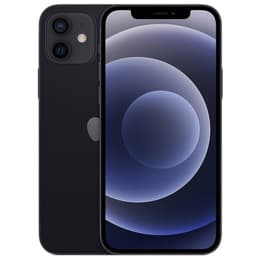
iPhone 12
iPhone 12
Starting at

Refurbished price:A$303.00

Versus A$1,129.00 new

See options
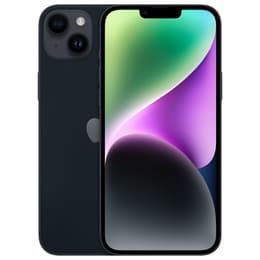
iPhone 14 Plus
iPhone 14 Plus
Starting at

Refurbished price:A$480.00

Versus A$1,249.00 new

See options

Ratings

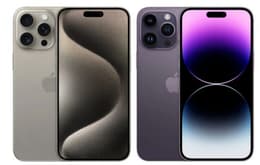
The iPhone 12, released in October 2020, and the iPhone 14 Plus, launched in October 2022, represent different generations within Apple's smartphone lineup. While both devices operate on the iOS platform and offer a familiar user experience, the iPhone 14 Plus distinguishes itself with a significantly larger display, enhanced battery capacity, and updated camera capabilities. These differences cater to varying user preferences regarding device size, endurance, and photographic features.

Scores

Durability

When considering the long-term usability of these devices, several factors contribute to their expected practical lifespan, including software support and physical resilience.

  • Software Longevity: The iPhone 14 Plus, being two years newer, is expected to receive software updates for a longer duration than the iPhone 12. This means it will benefit from new iOS features and security patches for an extended period, potentially offering an additional year or two of official support compared to its predecessor.
  • Physical Durability: Both models feature Apple's Ceramic Shield front cover, designed to offer improved drop performance. They also share an IP68 rating for water and dust resistance, indicating similar protection against environmental elements.
  • Repairability Considerations: The iPhone 12 initially received an iFixit repairability score of 6 out of 10, suggesting that many parts could be replaced. However, it was noted that certain repairs, like camera or screen replacements, might require proprietary software validation from Apple. The iPhone 14 Plus initially showed promise with an internal redesign that made it easier to open, leading to an initial higher repairability assessment. However, this score was later downgraded to 4 out of 10 due to strict parts pairing and software authentication requirements, which can complicate independent repairs even with genuine parts.

Release year

2020

2022

Compatible with latest Update

Yes

Yes

Operating system

iOS

iOS

Foldable

No

No

Performance

The performance of a smartphone is crucial for daily tasks, from browsing to demanding applications. Both the iPhone 12 and iPhone 14 Plus offer capable performance, though with some distinctions.

  • Processing Power: The iPhone 14 Plus features a more advanced processor compared to the iPhone 12. This translates to slightly faster app loading times, smoother multitasking, and more efficient handling of graphically intensive games and applications. Users engaging in demanding tasks will likely notice the incremental improvements in responsiveness on the newer model.
  • Multitasking and Responsiveness: The iPhone 14 Plus includes 6GB of RAM, an increase from the iPhone 12's 4GB. This additional memory can contribute to a more fluid experience when switching between multiple open applications, as the device can hold more apps in active memory without needing to reload them.
  • Battery Endurance: A significant difference lies in battery capacity. The iPhone 14 Plus is equipped with a larger battery, offering up to 26 hours of video playback or 100 hours of audio playback. In contrast, the iPhone 12 provides up to 17 hours of video playback or 65 hours of audio playback. This means the iPhone 14 Plus can comfortably last longer on a single charge, particularly for heavy users or during extended periods away from a power source.
  • Storage Options: The iPhone 12 was available with storage options starting from 64GB, up to 256GB. The iPhone 14 Plus starts at 128GB and goes up to 512GB, offering more base storage and a higher maximum capacity for users who require more space for apps, photos, and videos.

Memory (GB)

4 GB

6 GB

Screen quality

The visual experience is a key aspect of smartphone usage, and both devices offer high-quality displays with notable differences in size and brightness.

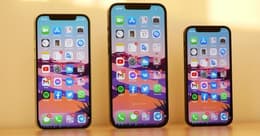
  • Display Technology and Size: Both the iPhone 12 and iPhone 14 Plus feature Super Retina XDR OLED displays, known for their deep blacks and vibrant colors. However, the iPhone 14 Plus boasts a larger 6.7-inch display compared to the iPhone 12's 6.1-inch screen. This larger screen on the 14 Plus provides a more expansive viewing area for media consumption, gaming, and productivity.
  • Resolution and Clarity: The iPhone 12 has a resolution of 2532 x 1170 pixels, while the iPhone 14 Plus offers 2778 x 1284 pixels. Both displays maintain a high pixel density, ensuring sharp text and detailed images for everyday viewing.
  • Brightness Levels: The iPhone 14 Plus offers a higher typical maximum brightness of 800 nits, compared to the iPhone 12's 625 nits. Both can reach a peak HDR brightness of 1200 nits. The increased typical brightness on the 14 Plus can improve screen visibility in bright outdoor conditions.
  • Refresh Rate: Both models feature a standard 60Hz refresh rate, which provides a smooth experience for most users.

Resolution

1170 x 2532

1284 x 2778

Screen type

Super Retina XDR OLED

Super Retina XDR OLED

Audiovisual

Photography and videography capabilities are often a deciding factor for many users, and both iPhones offer competent camera systems with distinct advancements in the newer model.

  • Rear Camera System: Both devices are equipped with a dual 12MP rear camera system, comprising a wide and an ultra-wide lens. The iPhone 14 Plus features a main camera with a larger sensor and a wider aperture (f/1.5) compared to the iPhone 12 (f/1.6). This allows the iPhone 14 Plus to capture more light, resulting in improved performance in low-light conditions and better detail in everyday photos.
  • Advanced Photography Features: The iPhone 14 Plus introduces several software enhancements not found on the iPhone 12, such as the Photonic Engine for improved image processing, Photographic Styles for personalized looks, and Action mode for smoother video capture during movement. It also includes Cinematic mode for recording videos with a shallow depth of field, a feature absent on the iPhone 12.
  • Front Camera: The front-facing 12MP TrueDepth camera on the iPhone 14 Plus has a faster aperture (f/1.9) and includes autofocus, which is an upgrade from the iPhone 12's f/2.2 fixed-focus front camera. This can lead to sharper selfies and better performance in varied lighting.
  • Video Recording and Audio: Both models support 4K video recording at up to 60 frames per second. While specific microphone and speaker quality details can vary, both devices are designed to provide clear audio for calls and media consumption.

Main camera

12 megapixels

12 megapixels

Front camera

12 megapixels

12 megapixels

Miscellaneous

Beyond the core features, several practical elements contribute to the overall user experience and differentiate these two iPhone models.

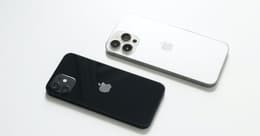
  • Physical Dimensions and Handling: The iPhone 12 is a more compact device, measuring 146.7 x 71.5 x 7.4mm and weighing 162g. The iPhone 14 Plus is larger and heavier, at 160.8 x 78.1 x 7.8mm and 203g, due to its bigger screen and battery. Users who prefer a smaller, lighter phone for one-handed use might lean towards the iPhone 12, while those who prioritize screen real estate will appreciate the iPhone 14 Plus.
  • Connectivity: Both devices support 5G cellular connectivity, Wi-Fi 6, and Bluetooth, ensuring fast wireless speeds and broad compatibility with accessories.
  • Charging Port: Both models utilize the Lightning port for charging and data transfer.
  • SIM Card Support: The iPhone 12 typically includes a physical SIM card tray. In some regions, the iPhone 14 Plus is eSIM-only, meaning it relies solely on digital SIMs. This is a practical consideration for travelers or those who frequently swap physical SIM cards.
  • Safety Features: The iPhone 14 Plus introduces advanced safety features such as Crash Detection, which can automatically alert emergency services after a severe car crash, and Emergency SOS via Satellite, allowing users to contact emergency services in areas without cellular or Wi-Fi coverage. These features are not present on the iPhone 12.

Weight

164 oz

203 oz

Screen size (in)

6.1

6,7

Network

5G

5G

SIM card

Physical SIM + eSIM

Physical SIM + eSIM

Carrier compatibility

Unlocked

Unlocked

Connector

Lightning

Lightning

The iPhone 12 and iPhone 14 Plus both offer a robust smartphone experience, but they cater to slightly different user needs and priorities. User sentiment often highlights the iPhone 14 Plus for its significantly improved battery life and larger display, making it a preferred choice for those who consume a lot of media or need their device to last through a long day without recharging. The enhanced camera features, including better low-light performance and video modes like Action mode and Cinematic mode, are also frequently praised by users seeking more advanced photographic capabilities.

Conversely, the iPhone 12 is often appreciated for its more compact form factor, which some users find easier to handle and carry. While its battery life and camera system are still considered capable for general use, they are not as advanced as those in the iPhone 14 Plus. Some users upgrading from an iPhone 12 to a standard iPhone 14 (not the Plus) have noted that the differences in performance and camera might not feel like a substantial leap, but the 14 Plus's larger screen and battery are often cited as compelling reasons for an upgrade.

Users prioritizing a larger screen and extended battery life for media consumption, gaming, or heavy daily use will find the iPhone 14 Plus well-suited to their needs. Its improved camera system also benefits those who frequently capture photos and videos and desire more advanced features. On the other hand, users who prefer a more compact device that is easier to manage with one hand, and whose usage patterns do not demand the absolute longest battery life or the latest camera innovations, may find the iPhone 12 to be a perfectly capable device. Both models offer a reliable iOS experience, and choosing between them often comes down to personal preference for size, battery endurance, and specific camera features. For those considering either model, exploring quality-assured refurbished options can provide an eco-friendly alternative.

See all articles

Our recent comparisons