Compare models
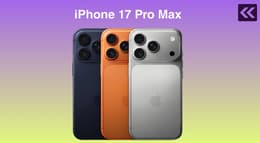
Galaxy Z Fold4 vs iPhone 17 Pro Max
- 1-year warranty
- Free standard shipping
- Free 30-day returns
Differences at a glance
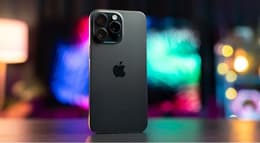
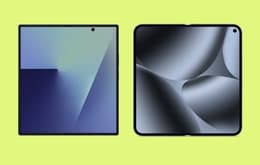
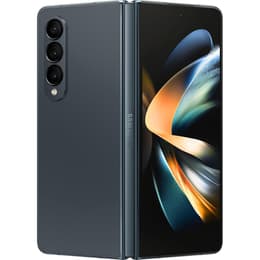
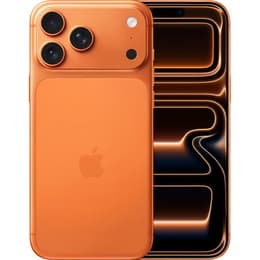
The Samsung Galaxy Z Fold4 (2022) and the Apple iPhone 17 Pro Max (2025) represent two completely different visions of high-end mobile technology, balancing a book-style folding design with a conventional flagship slate layout. While the Galaxy Z Fold4 provides a dual-screen multitasking workspace running on Android, the iPhone 17 Pro Max focuses on a massive single display and streamlined performance powered by iOS.
Available Models
Colour
Storage
Scores
Durability
Both devices offer distinct software longevity paths influenced by their respective launch years and manufacturing standards. Users can explore quality-assured refurbished options as a sustainable way to access these advanced models.
- Release Timeline: The Galaxy Z Fold4 debuted in late 2022, whereas the iPhone 17 Pro Max entered the market in late 2025, giving the Apple device a newer baseline for software support cycles.
- Software Longevity: The iPhone 17 Pro Max receives extended operating system updates typical of Apple's hardware timeline, while the Galaxy Z Fold4 relies on its established multi-year Android upgrade path.
- Hardware Maintenance: Complex folding hinges require careful handling over years of use, whereas conventional unibody slate designs offer straightforward physical durability.
Release year
2022
2025
Compatible with latest Update
Yes
Yes
Operating system
Android
iOS
Foldable
Yes
No
Performance
Daily operation differs significantly based on core internal architecture, multitasking capabilities, and battery management strategies across both form factors.
- Multitasking and Apps: The Galaxy Z Fold4 features abundant memory to keep multiple windowed apps active simultaneously, while the iPhone 17 Pro Max handles heavy applications and demanding workflows smoothly through optimized resource management.
- Battery Behavior: The iPhone 17 Pro Max benefits from power-efficient internal components that sustain long usage periods, whereas the Galaxy Z Fold4 divides power across two separate screens, leading to more frequent recharging during heavy multitasking.
- Storage Configurations: Both devices offer large capacity tiers to accommodate extensive photo libraries, offline media, and large applications without running out of space.
Screen quality
Display engineering sets these two models apart, offering contrasting approaches to screen real estate and viewing experiences.
- Display Technology: The Galaxy Z Fold4 utilizes a flexible interior panel that unfolds into a tablet-sized workspace alongside an exterior cover screen, while the iPhone 17 Pro Max features a bright, rigid OLED display with smooth refresh rates.
- Outdoor Visibility: Both panels deliver high peak brightness levels, ensuring clear legibility and vibrant colors even under direct sunlight.
- Viewing Format: The square-like aspect ratio of the Fold4's inner screen suits document editing and split-screen viewing, whereas the iPhone's cinematic proportions cater to traditional media consumption and single-app focus.
Audiovisual
Optics and media output vary to match the distinct design philosophies and processing capabilities of each manufacturer.
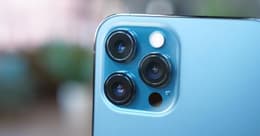
- Camera Systems: The iPhone 17 Pro Max equips a versatile triple-lens setup featuring high-resolution sensors across main, ultra-wide, and telephoto focal lengths, while the Galaxy Z Fold4 employs a dependable multi-lens arrangement suited for everyday captures and zoomed shots.
- Video and Audio: Apple's device delivers robust stabilization and professional-grade video recording features, complemented by loud stereo speakers, whereas Samsung provides flexible framing angles enabled by the folding physical posture.
- Low-Light Performance: Advanced image signal processing on both handsets helps reduce noise and preserve detail in challenging lighting conditions.
Front camera
4 megapixels
18 megapixels
Miscellaneous
Physical dimensions, connectivity standards, and daily ergonomics dictate how comfortably each device fits into various routines.
- Physical Handling: The iPhone 17 Pro Max features a traditional large-format slate footprint with a comfortable unibody grip, while the Galaxy Z Fold4 is narrower when folded for single-handed use but thicker and heavier overall.
- Connectivity: Both models support fast 5G cellular networks, modern Wi-Fi standards, and seamless Bluetooth pairing for accessories.
- Authentication and Ports: The Galaxy Z Fold4 integrates a responsive side-mounted fingerprint sensor alongside facial recognition, while the iPhone 17 Pro Max relies exclusively on advanced facial scanning hardware and a universal USB-C port.
Weight
263 oz
233 oz
Screen size (in)
7.6
6.9
Network
5G
5G
SIM card
Physical SIM + eSIM
Physical SIM + eSIM
Carrier compatibility
Unlocked
Unlocked
What the community thinks
User feedback from online communities highlights distinct preferences for each device based on daily habits and workflow needs. Owners of the Galaxy Z Fold4 frequently praise its expansive inner screen for productivity, reading, and split-screen multitasking, though some note that the narrow cover screen takes time to get used to. Meanwhile, users of the iPhone 17 Pro Max commonly commend its exceptional battery life, reliable camera versatility, and durable build quality, though a few mention that its large physical footprint can feel heavy in the pocket.
Users prioritizing a versatile multi-window workspace and tablet portability will find the Galaxy Z Fold4 well-suited to their needs. Conversely, users prioritizing maximum battery endurance, traditional single-screen ergonomics, and robust media recording tools may prefer the iPhone 17 Pro Max. Eco-conscious consumers can also choose a quality-assured refurbished option to reduce environmental impact while acquiring high-end technology.