iPhone 11 vs iPhone SE (2016)

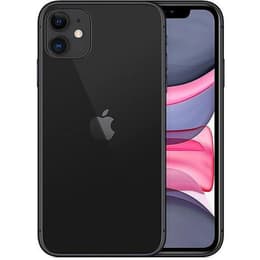
iPhone 11
iPhone 11
Starting at

Refurbished price:A$246.00

Versus A$769.00 new

See options
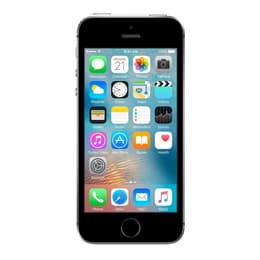
iPhone SE (2016)
iPhone SE (2016)
Starting at

Refurbished price:A$108.84

Versus A$219.00 new

See options

Ratings

The iPhone 11, released in September 2019, and the iPhone SE (2016), launched in March 2016, represent distinct generations of Apple's smartphone offerings. While both devices operate on the iOS platform, they cater to different user preferences, primarily distinguished by their physical size, internal capabilities, and camera systems. The iPhone 11 offers a more contemporary experience with a larger display and advanced camera features, whereas the iPhone SE (2016) provides a compact form factor with foundational smartphone functionalities.

Scores

Durability

The lifespan of a smartphone is influenced by its release timeline, software support, and physical durability. These two models, separated by several years, offer different expectations in these areas.

  • Release Timeline and Age: The iPhone SE (2016) was released in March 2016 and discontinued in September 2018, making it a significantly older device. The iPhone 11, released in September 2019 and discontinued in September 2022, is a more recent model.
  • Software Longevity: As of March 2026, the iPhone 11 is compatible with iOS 26 and is expected to receive security updates until late 2026 or beyond, though it may not support iOS 27. The iPhone SE (2016) launched with iOS 9.3.2 and can be updated to iOS 15.8.5, but it was added to Apple's obsolete list in December 2025, meaning it no longer receives security updates or official repair support.
  • Expected Practical Lifespan: Users considering the iPhone SE (2016) should be aware that its software support has officially ended, which can impact security and app compatibility over time. The iPhone 11, while still receiving updates, is nearing the end of its major iOS update cycle, suggesting a shorter remaining period of full feature support compared to newer models.

Release year

2019

2016

Compatible with latest Update

Yes

No

Operating system

iOS

iOS

Foldable

No

No

Performance

Performance differences between these two iPhones are notable, reflecting several years of technological advancement in mobile processing and memory management.

  • Processing Capabilities: The iPhone 11 features a significantly more advanced processor, enabling it to handle demanding applications, complex games, and multitasking with greater fluidity. Users will experience faster app loading times and smoother transitions. The iPhone SE (2016), while powerful for its time, will show limitations with modern, resource-intensive tasks.
  • Multitasking and Responsiveness: With 4GB of RAM, the iPhone 11 offers improved multitasking capabilities, allowing users to switch between multiple open applications without significant delays. The iPhone SE (2016) has 2GB of RAM, which can lead to apps needing to reload more frequently when switching between them.
  • Storage Options: The iPhone 11 was available with 64GB, 128GB, or 256GB of internal storage. The iPhone SE (2016) offered 16GB, 32GB, 64GB, or 128GB options, with the smaller capacities potentially limiting the number of apps and media that can be stored.

Memory (GB)

4 GB

2 GB

Screen quality

The display experience varies considerably between these two devices, primarily due to differences in screen size and display technology.

  • Display Technology and Clarity: The iPhone 11 features a 6.1-inch Liquid Retina IPS LCD with a resolution of 1792 x 828 pixels, offering good color accuracy and brightness. The iPhone SE (2016) has a smaller 4.0-inch IPS LCD Retina display with a resolution of 1136 x 640 pixels. Both have a pixel density of 326 ppi, meaning text and images appear sharp on both for their respective sizes.
  • Brightness and Viewing Experience: The iPhone 11 offers a typical maximum brightness of 625 nits, providing better visibility in bright outdoor conditions. The iPhone SE (2016) has a typical maximum brightness of 500 cd/m², which is still decent but less bright. The larger screen of the iPhone 11 provides a more immersive viewing experience for media consumption and browsing.
  • Screen Size and Handling: The iPhone SE (2016) is notably compact, making it ideal for one-handed use and fitting into smaller pockets. The iPhone 11's larger display, while offering more screen real estate, results in a larger overall device that may require two hands for comfortable operation for some users.

Resolution

828 x 1792

640 x 1136

Screen type

Liquid Retina IPS LCD

IPS LCD

Audiovisual

Camera capabilities have evolved significantly between these two models, offering different photographic experiences for users.

  • Rear Camera System: The iPhone 11 boasts a dual-camera system with two 12MP lenses: a wide and an ultra-wide, offering a 120-degree field of view. It includes features like Night mode for improved low-light photography and Deep Fusion for enhanced detail. The iPhone SE (2016) features a single 12MP rear camera, which was capable for its time but lacks the advanced computational photography and versatility of the iPhone 11.
  • Front Camera Performance: The iPhone 11 has a 12MP front camera, capable of recording 4K video and offering improved selfie quality. The iPhone SE (2016) has a 1.2MP front camera, which is considerably lower resolution and less capable for detailed selfies or video calls.
  • Video Recording Quality: Both devices are capable of recording 4K video, with the iPhone 11 supporting up to 60 frames per second (fps) and the iPhone SE (2016) supporting up to 30 fps. The iPhone 11 also offers better video stabilization and stereo sound recording.

Main camera

12 megapixels

12 megapixels

Front camera

12 megapixels

1.2 megapixels

Miscellaneous

Beyond core specifications, several practical elements differentiate the iPhone 11 and iPhone SE (2016), impacting daily usability and convenience.

  • Connectivity and Ports: Both devices support 4G LTE for cellular connectivity. The iPhone 11 includes more modern Wi-Fi standards and Bluetooth versions. Both utilize the Lightning connector for charging and data transfer. A key difference is that the iPhone SE (2016) retains a 3.5mm headphone jack, which is absent on the iPhone 11.
  • Biometric Security: The iPhone 11 relies on Face ID for secure authentication and unlocking. The iPhone SE (2016) features a first-generation Touch ID fingerprint sensor integrated into its physical home button.
  • Build Materials and Durability: The iPhone 11 features a glass front and back with an aluminum frame and an IP68 rating for water and dust resistance, allowing submersion up to 2 meters for 30 minutes. The iPhone SE (2016) has an aluminum body and glass front, but lacks an official water resistance rating. The iPhone 11 is also heavier and larger than the iPhone SE (2016).

Weight

194 oz

113 oz

Screen size (in)

6.1

4

Network

4G

4G

SIM card

Physical SIM + eSIM

Physical SIM

Carrier compatibility

Unlocked

Unlocked

Connector

Lightning

Lightning

The iPhone 11 and iPhone SE (2016) cater to distinct user needs, reflecting their different release eras and design philosophies. User feedback for the iPhone 11 frequently praises its robust performance, capable camera system with features like Night mode, and generally reliable battery life for its generation. Common criticisms often point to its LCD display, which, while good, is not as vibrant as OLED panels, and the presence of a notch.

For the iPhone SE (2016), users consistently highlight its compact size and the convenience of one-handed operation and the physical home button with Touch ID. However, its smaller screen, less advanced camera, and significantly older hardware are frequently noted as limitations in a modern context.

Users prioritizing a larger display, advanced camera capabilities for diverse shooting conditions, and a longer period of software support will find the iPhone 11 well-suited to their needs. It offers a more modern smartphone experience for those who consume a lot of media or engage in more demanding tasks. Conversely, users who value extreme portability, a physical home button, and a device that is easy to operate with one hand may prefer the iPhone SE (2016) for essential smartphone use, though its lack of ongoing software updates is a significant consideration. For those seeking a more sustainable choice, both models are available as quality-assured refurbished options, extending their lifecycle and reducing electronic waste.