

iPhone
Compare models
Differences at a glance
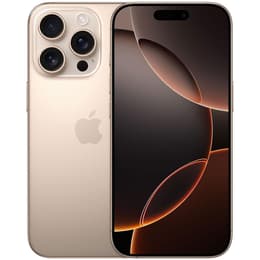
The iPhone 16 Pro, released in September 2024, and the Nokia X30, launched in September 2022, are smartphones from different generations, each offering distinct features and user experiences. While the iPhone 16 Pro represents a more recent flagship with advanced capabilities, the Nokia X30 focuses on a balanced mid-range offering with an emphasis on sustainable design. Both devices operate on different ecosystems, with the iPhone 16 Pro running on Apple's iOS and the Nokia X30 on Android.
Colour
Storage
The longevity of a smartphone is influenced by its release timeline, software support, and physical durability. These two devices present different profiles in terms of their expected practical lifespan.
Release year
Compatible with latest Update
Foldable
Performance is a key differentiator, impacting how smoothly applications run, how quickly tasks are completed, and the overall responsiveness of the user interface.
The display is the primary interface for interaction, and both devices offer quality screens with distinct characteristics that cater to different viewing preferences.
Resolution
Screen type
Camera capabilities are a significant factor for many users, and these devices offer different approaches to photography and videography.
Main camera
Front camera
Beyond core features, several practical elements contribute to the overall user experience, from connectivity to physical design.
Weight
Screen size (in)
Network
SIM card
Carrier compatibility
The iPhone 16 Pro and Nokia X30 cater to different user needs and priorities, largely due to their generational difference and respective ecosystem focuses. Users frequently praise the iPhone 16 Pro for its powerful performance, advanced camera system with features like 5x optical zoom and 4K120fps video, and its vibrant 120Hz OLED display with high brightness [1, 4, 6, 11, 13, 23, 26]. Its longer software support and premium build materials are also commonly highlighted as significant advantages [4, 16, 22, 24, 32, 34]. Some users, however, have noted that despite battery improvements, intensive usage can still lead to a need for mid-day charging, and the device can become warm during demanding tasks [13, 33].
The Nokia X30 is often commended for its commitment to sustainable design, utilizing recycled materials in its construction, and its robust IP67 rating [3, 25, 27, 29, 31]. Users appreciate its clear 90Hz AMOLED display and its capable 50MP main camera, particularly its performance in low-light conditions with Night Mode 2.0 [3, 9, 14, 15, 21, 25, 31]. Criticisms sometimes point to its more modest processor performance compared to higher-end devices and the absence of 4K video recording [15, 17, 31, 35]. Its shorter software update commitment is also a consideration for long-term users [3, 15, 25].
Users prioritizing cutting-edge performance, a highly advanced camera system, and the longest possible software support will find the iPhone 16 Pro well-suited to their needs. Its powerful processor and superior display make it ideal for demanding applications, high-fidelity gaming, and professional-grade photography and videography. Conversely, users who value a balanced smartphone experience, a strong emphasis on environmental sustainability, and reliable everyday performance may lean toward the Nokia X30. It offers a solid set of features for general use, communication, and casual photography, all within a durable and eco-conscious design.
For those considering either device, exploring quality-assured refurbished options can provide an eco-friendly alternative, extending the life cycle of these products and offering a sustainable choice.