
Compare models
Galaxy Z Flip7 vs Google Pixel 8
- 1-year warranty
- Free standard shipping
- Free 30-day returns
Differences at a glance
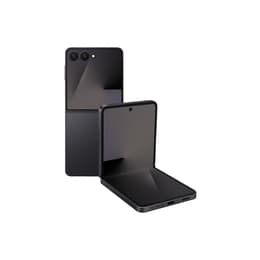
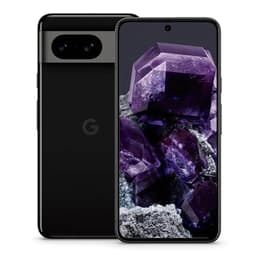
The Samsung Galaxy Z Flip7 (2025) and the Google Pixel 8 (2023) represent two distinct approaches to modern smartphone design, contrasting a foldable clamshell form factor with a traditional slab configuration. While both devices run on the Android operating system, they cater to fundamentally different physical preferences and structural layouts. Choosing between them involves weighing the compact portability of a folding display against the simplified durability and classic handling of a standard smartphone body.
Available Models
Colour
Storage (GB)
Scores
Durability
When examining structural longevity and software support, both devices offer robust update timelines while managing physical wear through different mechanisms.
- Release timeline and support: The Google Pixel 8 launched in late 2023 with an extended software commitment spanning seven years of operating system updates, while the Galaxy Z Flip7 arrived in mid-2025 with a shorter generational cycle but modern software backing.
- Hardware resilience: The Pixel 8 utilizes a traditional slab glass-and-aluminum build with standard IP68 water resistance, whereas the Z Flip7 features a folding inner screen and a specialized hinge mechanism that requires care during daily unfolding.
- Expected lifespan: Traditional slab designs like the Pixel 8 generally experience fewer mechanical vulnerabilities over years of heavy use, while foldable options trade traditional physical robustness for pocket-friendly folding versatility.
Release year
2025
2023
Operating system
Android
Android
Foldable
Yes
No
Performance
Daily operation and hardware efficiency dictate how smoothly each phone handles multitasking, gaming, and power management during routine tasks.
- Processing capabilities: Both devices manage everyday applications, web browsing, and heavy multitasking smoothly, utilizing current-generation internal hardware paired with ample memory configurations.
- Battery behavior: The Pixel 8 includes a standard battery capacity that typically handles a full day of mixed use, while the Z Flip7 accommodates a split battery layout designed to power both its cover screen and main folding display.
- Storage configurations: The Pixel 8 offers standard storage tiers starting at 128GB, whereas the Z Flip7 begins at higher baseline storage capacities to accommodate media-heavy users and extensive application libraries.
Screen quality
Display engineering highlights a major philosophical divide between these two handsets regarding viewing area and panel flexibility.
- Display technology: The Pixel 8 features a flat OLED panel with vibrant colors and deep contrast, while the Z Flip7 utilizes a dynamic folding AMOLED main display accompanied by a functional outer cover screen.
- Brightness and outdoor visibility: Both models achieve high peak brightness levels that maintain legibility under direct sunlight, ensuring clear viewing outdoors.
- Refresh rate and smoothness: Each device supports a 120Hz refresh rate, delivering fluid scrolling and responsive touch feedback across menus and supported applications.
Resolution
1080x2520
1080 x 2400
Audiovisual
Media capture capabilities and audio output shape the overall multimedia and photography experience on each device.
- Camera systems: The Pixel 8 relies on dual rear sensors backed by advanced computational photography software for detailed everyday and low-light images, while the Z Flip7 pairs its primary and ultra-wide lenses with unique folding angles that allow for hands-free tripod-style shooting.
- Video recording: Both models capture stable, high-resolution video with clear audio recording from built-in microphones suitable for casual vlogging and video calls.
- Media consumption: Stereo speakers on both units deliver balanced sound output for music playback and video streaming, though the Z Flip7 offers the added versatility of propping itself up on a flat surface.
Miscellaneous
Practical daily usability factors encompass connectivity standards, physical dimensions, and security authentication methods.
- Connectivity and ports: Both smartphones support 5G networks, modern Wi-Fi standards, and Bluetooth pairing, utilizing reversible USB-C ports for charging and data transfer.
- Security sensors: The Pixel 8 provides an under-display fingerprint sensor alongside facial recognition, while the Z Flip7 integrates its fingerprint scanner conveniently into the side power button alongside face unlock.
- Handling and dimensions: The Pixel 8 offers a traditional, narrow slab profile that rests comfortably in one hand, whereas the Z Flip7 folds in half to occupy significantly less pocket space despite being slightly thicker when closed. Frugal shoppers exploring a quality-assured refurbished option can find these models as eco-friendly alternatives that reduce electronic waste.
Weight
188 oz
187 oz
Screen size (in)
6.9
6.2
Network
5G
5G
SIM card
Physical SIM + eSIM
Physical SIM + eSIM
Carrier compatibility
Unlocked
Unlocked
What the community thinks
User feedback and community discussions highlight distinct preferences for each device based on everyday habits. Owners of the Google Pixel 8 frequently praise its comfortable single-handed dimensions, reliable camera processing, and straightforward everyday reliability. Common concerns sometimes center on standard battery endurance under intensive tasks. Conversely, users of the Galaxy Z Flip7 highlight the convenience of the compact folded size and the utility of the outer cover screen for quick notifications, though some note that the central crease on the folding display remains visible under certain lighting conditions.
Users prioritizing a classic, pocket-friendly slab design with straightforward handling will find the Google Pixel 8 well-suited to their needs. Meanwhile, users prioritizing a compact footprint that expands into a larger viewing area may prefer the Galaxy Z Flip7. Evaluating these distinct physical formats against daily routines helps determine the right fit, with sustainable choices like certified refurbished devices available for conscious buyers.