
Compare models

Google Pixel 9a vs iPhone 16 Plus

  • 1-year warranty
  • Free standard shipping
  • Free 30-day returns
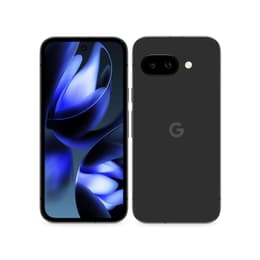
Google Pixel 9a
Starting at

Refurbished price:A$570.00

Versus A$731.50 new

See options
iPhone 16 Plus
Starting at

Refurbished price:A$899.00

Versus A$1,599.00 new

See options

Differences at a glance

The Google Pixel 9a (2025) and the Apple iPhone 16 Plus (2024) are modern smartphones representing distinct operating systems and hardware approaches. While the Google Pixel 9a runs on Android and focuses on streamlined everyday utility with a compact footprint, the Apple iPhone 16 Plus operates on iOS and offers a larger screen area paired with dedicated hardware control buttons. The primary differentiators between these two devices lie in their software ecosystems, display sizes, and physical dimensions, catering to distinct user preferences.

Available Models

Colour

Storage (GB)

Scores

Durability

Both smartphones provide reliable long-term usability backed by extended software support timelines from their respective manufacturers, though they differ slightly in launch years and update structures.

  • Software support and longevity: Both devices receive multi-year operating system upgrades and security patches, helping maintain software relevance and security over several years of typical ownership.
  • Build durability and repairability: Each model incorporates robust dust and water resistance ratings alongside sturdy exterior frame materials, designed to withstand daily wear and tear.
  • Expected practical lifespan: Efficient internal power management and robust software cycles ensure that both handsets comfortably sustain daily multitasking and communication needs across multiple years.

Release year

2025

2024

Foldable

No

No

Performance

The Google Pixel 9a and the iPhone 16 Plus handle multitasking and daily applications efficiently, utilizing their respective processors and generous RAM configurations to maintain system responsiveness.

  • Storage configurations: Both models offer multiple tier options starting at baseline capacities suitable for storing apps, photos, and media files locally.
  • Everyday execution and gaming: Current-generation processing hardware ensures smooth app loading, fluid multitasking, and reliable performance during demanding gaming or utility tasks.
  • Battery behavior: Both devices deliver dependable battery performance capable of supporting a full day of mixed usage, backed by optimized power management systems.

Screen quality

The two devices feature vibrant display technologies that deliver clear visuals, though they differ in physical dimensions and peak brightness capabilities.

  • Display technology: Both models use advanced OLED panels that produce deep blacks, high contrast ratios, and vivid colors for media consumption and reading.
  • Screen dimensions and clarity: The iPhone 16 Plus provides a larger 6.7-inch viewing canvas, while the Pixel 9a offers a more pocket-friendly 6.3-inch screen size with sharp pixel density.
  • Outdoor visibility: High peak brightness levels on both screens ensure content remains legible under direct sunlight or bright ambient lighting conditions.

Resolution

1080x2424

1290 x 2796

Screen type

P-OLED

Super Retina XDR OLED

Audiovisual

Equipped with capable multi-lens camera arrays, both smartphones capture detailed photos and stable video recordings across various lighting environments.

  • Main and auxiliary photography: Both devices feature high-resolution primary sensors paired with ultra-wide lenses, delivering sharp images in daylight and well-balanced low-light performance.
  • Video recording: Smooth stabilization and high-definition video capture modes allow users to record crisp clips and home videos effortlessly.
  • Media consumption and audio: Built-in stereo speaker systems provide clear audio output for hands-free calls, video watching, and casual music playback.

Miscellaneous

Practical design elements, connectivity options, and physical handling characteristics shape the day-to-day experience of using each device.

  • Connectivity standards: Both models support modern 5G networks, fast Wi-Fi standards, and reliable Bluetooth pairing for seamless wireless accessory connection.
  • Physical dimensions and weight: The Pixel 9a offers a lighter, narrower build that is comfortable for single-handed use, whereas the iPhone 16 Plus provides a wider, more expansive form factor.
  • Authentication and ports: Each device utilizes secure biometric verification methods and standard reversible charging ports for universal compatibility.

Weight

186 oz

199 oz

Screen size (in)

6.3

6.7

Network

5G

5G

SIM card

Physical SIM + eSIM

Physical SIM + eSIM

Carrier compatibility

Unlocked

Unlocked

What the community thinks

User discussions highlight distinct preferences for each device depending on ecosystem familiarity and hardware layout. Users often praise the Google Pixel 9a for its lighter handling weight, clean software interface, and comfortable pocketable dimensions. Conversely, owners of the iPhone 16 Plus frequently commend its expansive display estate, robust battery endurance, and seamless integration within the iOS environment. Common criticisms for the Pixel occasionally center on its standard charging speeds, while some users note the larger iPhone can feel heavy during prolonged one-handed operation.

Users prioritizing a larger screen and Apple's ecosystem will find the iPhone 16 Plus well-suited to their needs, while users preferring a lighter, more compact Android device may lean toward the Google Pixel 9a. For buyers exploring sustainable alternatives, choosing a quality-assured refurbished option provides an eco-friendly path to acquiring either device without compromising on performance. Ultimately, the right choice depends on individual comfort with operating systems and preferred physical dimensions.