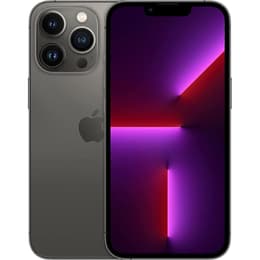

iPhone 13 Pro vs iPhone 16 Plus

iPhone 13 Pro
iPhone 13 Pro
Starting at

Refurbished price:A$549.00

Versus A$1,539.00 new

See options
iPhone 16 Plus
iPhone 16 Plus
Starting at

Refurbished price:A$942.00

Versus A$1,599.00 new

See options

Ratings

The iPhone 13 Pro, released in September 2021, and the iPhone 16 Plus, launched in September 2024, represent different generations within Apple's smartphone lineup. While both devices operate on Apple's iOS ecosystem, the iPhone 16 Plus introduces a larger display, a more advanced processor, and updated camera capabilities, alongside a shift to USB-C connectivity. The iPhone 13 Pro, as a 'Pro' model from its era, offered a high-refresh-rate display and a versatile camera system that set it apart at its release.

Scores

Durability

Comparing the longevity of these two devices involves looking at their release timelines, software support, and repairability aspects.

  • Release Timeline: The iPhone 13 Pro was released in September 2021, making it a device from an earlier generation. The iPhone 16 Plus, launched in September 2024, benefits from a more recent release, offering a longer period of anticipated software support.
  • Software Longevity: Both iPhones receive regular iOS updates, but the iPhone 16 Plus, being three years newer, is expected to receive software support for a significantly longer duration, likely extending its practical usability by several years compared to the iPhone 13 Pro. The iPhone 13 Pro shipped with iOS 15 and is compatible with iOS 18, while the iPhone 16 Plus shipped with iOS 18 and is compatible with iOS 26.
  • Repairability: The iPhone 13 Pro received an iFixit repairability score of 5 out of 10. While display and battery replacements are generally manageable, software limitations can complicate third-party repairs, particularly concerning Face ID functionality. The iPhone 16 Plus is likely to follow similar trends in repairability, with Apple's ecosystem often presenting challenges for independent repairs due to component pairing.

Release year

2021

2024

Compatible with latest Update

Yes

Yes

Foldable

No

No

Performance

The performance of a smartphone is largely determined by its internal processing power and how efficiently it manages tasks.

  • Processing Power: The iPhone 13 Pro is equipped with a capable processor from its generation, handling demanding applications and multitasking smoothly. The iPhone 16 Plus features a newer generation processor, which provides a notable increase in speed and efficiency, particularly for more intensive applications, advanced computational tasks, and AI-driven features.
  • Multitasking and Responsiveness: With 6GB of RAM, the iPhone 13 Pro offers solid multitasking capabilities. The iPhone 16 Plus, featuring 8GB of RAM, provides additional headroom for running numerous applications simultaneously and managing complex workflows with enhanced fluidity.
  • Battery Behavior: The iPhone 13 Pro is known for its robust battery performance, often lasting a full day for many users. The iPhone 16 Plus, with a larger battery capacity and a more efficient processor, is designed to offer extended usage times, with Apple reporting up to 27 hours of video playback. While some reports suggested a potentially smaller battery capacity than its direct predecessor, overall efficiency improvements aim to maintain or enhance real-world battery life.

Memory (GB)

6 GB

8 GB

Screen quality

The display is a primary interface, and both devices offer distinct viewing experiences.

  • Display Technology and Size: The iPhone 13 Pro features a 6.1-inch Super Retina XDR OLED display, providing deep blacks and vibrant colors. The iPhone 16 Plus offers a larger 6.7-inch Super Retina XDR OLED display, which can enhance the viewing experience for media consumption and productivity tasks. Both displays offer a resolution of approximately 460 pixels per inch, ensuring sharp visuals.
  • Refresh Rate: A key difference lies in the refresh rate. The iPhone 13 Pro features ProMotion technology, offering an adaptive refresh rate that can scale from 10Hz to 120Hz, resulting in smoother scrolling and more responsive interactions. The iPhone 16 Plus, while having a larger display, maintains a standard 60Hz refresh rate.
  • Brightness: Both models offer excellent brightness for various lighting conditions. The iPhone 13 Pro provides up to 1000 nits typical brightness and 1200 nits peak for HDR content. The iPhone 16 Plus offers similar typical brightness but can reach up to 1600 nits peak HDR and 2000 nits peak outdoor brightness, improving visibility in bright environments.

Resolution

1170 x 2532

1290 x 2796

Screen type

Super Retina XDR OLED

Super Retina XDR OLED

Audiovisual

Both iPhones provide advanced photographic and videographic capabilities, though with generational advancements.

  • Rear Camera System: The iPhone 13 Pro features a versatile triple 12MP camera system, including Wide, Ultra Wide, and Telephoto lenses with 3x optical zoom, along with a LiDAR Scanner for improved depth sensing and low-light focusing. The iPhone 16 Plus utilizes an advanced dual-camera system, featuring a 48MP Fusion Main camera that can achieve a 2x telephoto effect through cropping, and a 12MP Ultra Wide camera. The 16 Plus also introduces a vertical camera alignment to support Spatial Video recording.
  • Photography Performance: The iPhone 13 Pro excels in various lighting conditions, offering strong low-light performance and a dedicated macro mode. The iPhone 16 Plus benefits from a larger main sensor and newer computational photography enhancements, leading to improved detail and dynamic range in everyday and challenging lighting scenarios.
  • Video Recording: Both devices offer high-quality video recording, including Cinematic mode for shallow depth-of-field effects. The iPhone 13 Pro supports ProRes video recording. The iPhone 16 Plus further refines video capabilities with enhanced stabilization and the ability to capture Spatial Video, offering a more immersive viewing experience on compatible devices.

Main camera

12 megapixels

48 megapixels

Front camera

12 megapixels

12 megapixels

Miscellaneous

Beyond core features, several practical elements differentiate these two iPhone models.

  • Connectivity: Both devices support 5G cellular connectivity for fast mobile data. The iPhone 13 Pro features Wi-Fi 6 and Bluetooth 5.0. The newer iPhone 16 Plus upgrades to Wi-Fi 7 and Bluetooth 5.3, offering faster wireless speeds and improved efficiency for compatible accessories.
  • Charging Port: The iPhone 13 Pro uses Apple's proprietary Lightning port for charging and data transfer. The iPhone 16 Plus has transitioned to a USB-C port, aligning with a more universal standard and allowing for broader compatibility with accessories and chargers. The USB-C port on the 16 Plus also enables charging of other devices.
  • Design and Build: The iPhone 13 Pro features a stainless steel frame, giving it a premium feel and added durability. The iPhone 16 Plus utilizes an aluminum design, which contributes to a lighter overall weight. Both models feature a Ceramic Shield front cover and IP68 water and dust resistance.
  • Weight and Dimensions: The iPhone 13 Pro weighs 204 grams and has dimensions of 146.7 x 71.5 x 7.65 mm. The iPhone 16 Plus is larger and slightly lighter at 199 grams, with dimensions of 160.9 x 77.8 x 7.8 mm, offering a more expansive screen in a comparable form factor.

Weight

203 oz

199 oz

Screen size (in)

6,1

6.7

Network

5G

5G

SIM card

Physical SIM + eSIM

Physical SIM + eSIM

Carrier compatibility

Unlocked

Unlocked

Connector

Lightning

USB-C (USB 2)

The iPhone 13 Pro and iPhone 16 Plus cater to different user priorities, reflecting the evolution of smartphone technology over several years. Users often praise the iPhone 13 Pro for its excellent camera system, including its telephoto lens and ProMotion display, which provides a noticeably smooth visual experience. Its battery life was also a significant improvement for its generation. Some criticisms included its weight and the continued use of the Lightning port.

The iPhone 16 Plus, on the other hand, is frequently lauded for its larger display, extended battery life, and the significant performance boost from its newer processor, which enhances overall responsiveness and AI capabilities. The switch to USB-C is also a welcome change for many. However, a common point of discussion is its 60Hz display, which some users might find less fluid compared to devices with higher refresh rates, especially when coming from a ProMotion-equipped model like the 13 Pro.

Users prioritizing a more compact device with a high-refresh-rate display and a dedicated optical telephoto lens may find the iPhone 13 Pro well-suited to their needs. Conversely, those who value a larger screen, longer battery life, the latest processing power for future-proofing, and the convenience of USB-C connectivity will likely lean toward the iPhone 16 Plus. Both devices offer a robust iOS experience, and for those considering an eco-friendly alternative, quality-assured refurbished options are available for both models, providing a sustainable choice without compromising on functionality.
See all articles

Our recent comparisons