
iPhone
Compare models
Differences at a glance
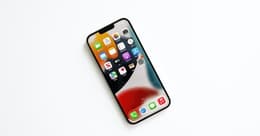
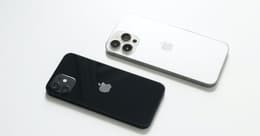
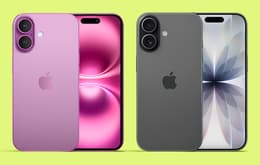
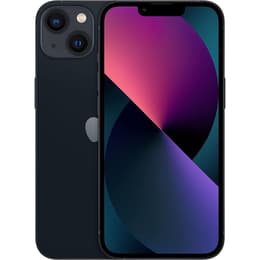
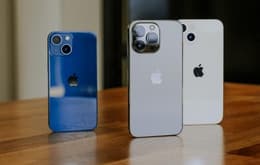
The iPhone 13, released in September 2021, and the iPhone 16 Plus, launched in September 2024, represent different generations within Apple's smartphone lineup. While both operate on Apple's iOS ecosystem, the iPhone 16 Plus introduces a larger display, a more advanced processor, and enhanced camera capabilities, reflecting three years of technological advancements. This comparison will explore the practical differences between these two devices to help users understand which model aligns best with their needs.
Colour
Storage
The lifespan of a smartphone is significantly influenced by its release date and the duration of software support it receives.
Release year
Compatible with latest Update
Foldable
Performance differences between these models are primarily driven by their respective processors and system optimizations.
The display experience varies between the two iPhones, particularly in size and advanced features.
Resolution
Screen type
Camera systems have seen significant evolution, offering different photographic and videographic capabilities.
Main camera
Front camera
Beyond core features, several practical elements differentiate these two iPhone models.
Weight
Screen size (in)
Network
SIM card
Carrier compatibility
Connector
Choosing between the iPhone 13 and the iPhone 16 Plus involves weighing the benefits of a more recent device against the continued capabilities of an older, yet still robust, model. The iPhone 13 remains a capable smartphone, praised for its strong battery life and improved camera system at its release [26, 27, 29]. Users often highlight its reliable performance for everyday tasks and its continued software support as key advantages [16, 28]. Some criticisms of the iPhone 13 at its launch included its incremental upgrades over its predecessor and the absence of a telephoto camera [26, 32].
The iPhone 16 Plus, being a newer model, offers significant advancements in performance, camera technology, and display size. Users appreciate its larger 6.7-inch display, the more powerful A18 chip, and the enhanced camera system with features like 2x optical-quality zoom and macro photography [18, 30, 33, 35, 39]. The inclusion of the Action Button and USB-C port also provides modern conveniences [18, 20, 39].
Users prioritizing a larger screen, the latest performance, and advanced camera features, along with a longer software support window, will find the iPhone 16 Plus well-suited to their needs. This includes individuals who engage in mobile gaming, intensive multitasking, or advanced photography and videography. Conversely, users seeking a reliable and still highly functional device for general use, who may not require the absolute latest technological advancements, could consider the iPhone 13. Both models, whether new or as a quality-assured refurbished option, offer a pathway to the Apple ecosystem. Opting for a refurbished device can be an eco-friendly alternative, providing access to these technologies in a sustainable way.