
Google Pixel 9 vs iPhone 14 Pro

Google Pixel 9
Google Pixel 9
Starting at

Refurbished price:A$717.00

Versus A$1,349.00 new

See options
iPhone 14 Pro
iPhone 14 Pro
Starting at

Refurbished price:A$622.00

Versus A$1,749.00 new

See options

Ratings

The Google Pixel 9, released in 2024, and the iPhone 14 Pro, launched in 2022, represent two distinct approaches to the modern flagship smartphone. While the Pixel 9 showcases advancements in software integration and hardware aesthetics within the Android ecosystem, the iPhone 14 Pro remains a powerful and relevant contender for iOS users. These devices cater to different user preferences, with the Pixel focusing on contemporary software intelligence and the iPhone offering a versatile hardware package that includes a dedicated telephoto lens for photography enthusiasts.

Scores

Durability

The Google Pixel 9 and iPhone 14 Pro offer different advantages regarding their long-term utility, software support timelines, and physical resilience.

  • Software Longevity: The Pixel 9 arrives with a commitment to seven years of operating system and security updates, potentially keeping the device current until 2031. In contrast, the iPhone 14 Pro, being two years older at launch, typically receives around six to seven years of support from its 2022 release date, meaning its software lifecycle may conclude several years sooner than the Pixel's.
  • Physical Build and Repair: Both phones utilize high-strength glass and metal frames. The Pixel 9 features Gorilla Glass Victus 2 on both the front and back, along with a recycled aluminum frame, and carries an IP68 rating for dust and water resistance. The iPhone 14 Pro uses Ceramic Shield on the front, a textured matte glass back, and a stainless steel frame, also with an IP68 rating. For repairability, the Pixel 9 has a provisional score of 5 out of 10, with a dual-entry design that simplifies access to internal components, though battery removal can still be challenging due to strong adhesive. The iPhone 14 Pro initially received a higher repairability score, but it was later downgraded to 4 out of 10 due to software restrictions and parts pairing requirements that complicate independent repairs.

Release year

2024

2022

Compatible with latest Update

Yes

Yes

Operating system

Android

iOS

Foldable

No

No

Performance

Both devices are equipped with powerful processors designed to handle demanding applications and multitasking, though they approach performance management through different architectural philosophies.

  • Everyday Responsiveness: The Pixel 9, powered by its current-generation processor, handles daily tasks and demanding applications smoothly, with users generally reporting reliable performance. The iPhone 14 Pro, with its robust internal chip, also delivers powerful performance, ensuring a seamless user experience across various applications and multitasking scenarios.
  • Multitasking and Storage: The Pixel 9 typically comes with 12GB of RAM, providing ample capacity for extensive multitasking and running numerous applications simultaneously. The iPhone 14 Pro features 6GB of RAM, which, combined with its optimized operating system, efficiently manages background processes and application switching. Both devices offer various internal storage options, ranging from 128GB up to 1TB for the iPhone 14 Pro, allowing users to choose based on their storage needs.
  • Battery Behavior: The Pixel 9 houses a 4700 mAh battery, with users often reporting it can last through a full day of heavy use or even up to two days for lighter usage. Charging speeds for the Pixel 9 are rated at 27W wired, taking over an hour for a full charge. The iPhone 14 Pro has a 3200 mAh battery, providing up to 23 hours of video playback, and users generally find its battery life to be good, though some consider it adequate rather than exceptional compared to larger models.

Memory (GB)

12 GB

6 GB

Screen quality

The visual experience on both smartphones is characterized by vibrant displays, each with distinct features and capabilities.

  • Display Technology and Clarity: The Pixel 9 features a 6.3-inch OLED display with a resolution of 1080x2424 pixels, resulting in a pixel density of 422 ppi, offering clear and sharp visuals for media consumption and daily use. The iPhone 14 Pro comes with a slightly smaller 6.1-inch Super Retina XDR OLED display, boasting a higher resolution of 2556x1179 pixels and approximately 460 ppi, providing exceptional detail and clarity.
  • Brightness and Smoothness: Both devices offer high refresh rates for smooth scrolling and responsive interactions. The Pixel 9's display can adjust its refresh rate from 60Hz to 120Hz and reaches up to 1800 nits of local brightness and 2700 nits of peak brightness, ensuring good visibility in various lighting conditions. The iPhone 14 Pro features ProMotion technology, allowing its refresh rate to dynamically adapt from 1Hz to 120Hz, and achieves a typical brightness of 1000 nits, with a peak outdoor brightness of 2000 nits, making it highly readable even in direct sunlight.
  • Unique Display Features: The iPhone 14 Pro introduces the Dynamic Island, an interactive area that replaces the traditional notch, providing dynamic alerts and activities. It also includes an always-on display feature. The Pixel 9 also supports an always-on display with customizable lock screen options.

Resolution

1080 x 2424

1179 x 2556

Screen type

OLED

LTPO Super Retina XDR OLED

Audiovisual

Both smartphones offer advanced camera systems, each with strengths in different photographic scenarios and video capabilities.

  • Rear Camera Systems: The Pixel 9 features a dual-camera setup on the rear, including a 50MP main camera with optical and electronic image stabilization and a 48MP ultrawide camera with a 123-degree field of view. It excels in capturing detailed photos with good color and contrast, particularly in low-light conditions, and offers digital zoom up to 8x. The iPhone 14 Pro boasts a triple-camera system, comprising a 48MP main camera with a larger sensor and optical image stabilization, a 12MP ultrawide camera, and a 12MP telephoto lens capable of 3x optical zoom. This provides greater versatility for different focal lengths.
  • Photography Performance: Users praise the Pixel 9 for its excellent point-and-click photography, with its main camera producing great results across various lighting conditions. The iPhone 14 Pro is also noted for its exceptional camera quality and improved low-light capture across all its lenses. However, some iPhone 14 Pro users have reported that the device can overheat during extended heavy camera use, potentially affecting performance during rapid shooting.
  • Video and Audio: Both devices offer high-quality video recording. The Pixel 9 supports 4K video recording at various frame rates. The iPhone 14 Pro enhances video capabilities with features like Cinematic mode, now available in 4K, and improved stabilization. Both phones include stereo speakers for media consumption and multiple microphones for clear audio recording and calls.

Main camera

50 megapixels

48 megapixels

Front camera

10.5 megapixels

12 megapixels

Miscellaneous

Beyond core performance, several practical elements differentiate the user experience and daily utility of these devices.

  • Connectivity and Ports: Both the Pixel 9 and iPhone 14 Pro support 5G connectivity for fast mobile data and include modern Wi-Fi standards for stable internet connections. The Pixel 9 features a USB-C 3.2 port for charging and data transfer. The iPhone 14 Pro utilizes Apple's proprietary Lightning port. The Pixel 9 supports a physical SIM and eSIM, while the iPhone 14 Pro supports dual eSIM in some regions.
  • Biometrics and Sensors: Security and convenience are handled differently. The Pixel 9 incorporates an ultrasonic fingerprint sensor located under the display for quick and secure unlocking. The iPhone 14 Pro relies on Face ID, Apple's facial recognition technology. Both devices include a suite of sensors such as accelerometers, gyroscopes, and ambient light sensors. The iPhone 14 Pro also features a LiDAR scanner.
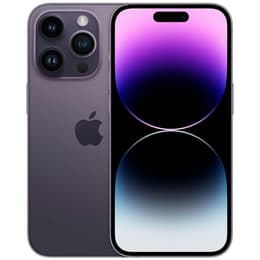
  • Design and Handling: The Pixel 9 measures 152.8 x 72.0 x 8.5mm and weighs 198g, offering a balanced feel in hand. The iPhone 14 Pro is slightly more compact at 147.5 x 71.5 x 7.85mm but is heavier at 206g, partly due to its stainless steel frame, which some users note can contribute to hand fatigue during prolonged one-handed use. The Pixel 9's design includes a flat back and a camera block that doesn't quite meet the edges, while the iPhone 14 Pro maintains flat sides and a prominent triple rear camera array.

Weight

198 oz

206 oz

Screen size (in)

6.3

6,1

Network

5G

5G

SIM card

Physical SIM + eSIM

Physical SIM + eSIM

Carrier compatibility

Unlocked

Unlocked

The Google Pixel 9 and iPhone 14 Pro each present compelling options, tailored to different user priorities and ecosystem preferences. Users of the Pixel 9 often praise its excellent camera capabilities, particularly its point-and-click simplicity and strong low-light performance. Its extended software support commitment is also a significant advantage for those seeking long-term device relevance. However, some users note the absence of a dedicated telephoto lens on the base model and slower charging speeds as areas for improvement.

The iPhone 14 Pro receives consistent acclaim for its exceptional camera quality, vibrant display with the innovative Dynamic Island, and powerful performance. Its robust build and the seamless integration within the iOS ecosystem are also frequently highlighted. Criticisms sometimes point to its weight and the potential for the camera to overheat during intensive use.

Users prioritizing a longer software support window, a larger battery capacity, and an ultrasonic fingerprint sensor may find the Pixel 9 well-suited to their needs. Conversely, those who value a dedicated telephoto camera, the Face ID biometric system, and the iOS ecosystem's integration might lean towards the iPhone 14 Pro. Both devices offer a premium smartphone experience, and for those considering a more sustainable choice, quality-assured refurbished options for both models are available, providing an eco-friendly alternative.


See all articles

Our recent comparisons