
Google Pixel 9 Pro XL vs iPhone 16 Pro

Google Pixel 9 Pro XL
Starting at

Refurbished price:A$853.00

Versus A$1,849.00 new

See options
iPhone 16 Pro
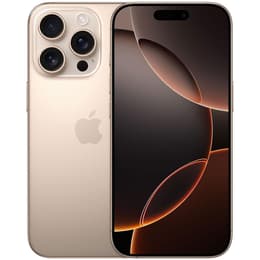
iPhone 16 Pro
Starting at

Refurbished price:A$1,148.00

Versus A$1,999.00 new

See options

Ratings

The Google Pixel 9 Pro XL and the iPhone 16 Pro represent the anticipated flagship smartphones from Google and Apple, respectively, building upon their predecessors with expected advancements in performance, camera technology, and user experience. While both devices aim to deliver premium mobile capabilities, they typically diverge in their operating system philosophies, approach to computational photography, and hardware-software integration. The Pixel 9 Pro XL is expected to run on the latest iteration of Android, offering extensive customization, while the iPhone 16 Pro will feature the newest version of iOS, known for its integrated ecosystem and streamlined interface.

Scores

Durability

When considering the long-term usability of a smartphone, software support and physical durability are key factors. Both the Google Pixel 9 Pro XL and the iPhone 16 Pro are designed with longevity in mind, though their approaches to software updates differ.

  • Software Support: Google has committed to providing seven years of operating system and security updates for its Pixel 8 and later phones, which would include the Pixel 9 Pro XL. This extended support ensures the device remains current with the latest features and security patches for a significant period. Apple typically offers 5-7 years of major iOS updates for its iPhones, with the iPhone 16 Pro expected to receive updates until approximately 2036, followed by extended security patches.
  • Build Materials: Both devices are expected to feature premium construction, utilizing durable glass on the front and back, along with robust metal frames. The iPhone 16 Pro will likely continue with a titanium frame, contributing to its balance of strength and weight. Both models are anticipated to carry an IP68 rating for dust and water resistance, providing protection against immersion.
  • Practical Lifespan: The extended software support from both manufacturers means that users can expect these devices to remain functional and secure for many years. The availability of quality-assured refurbished options for these models further extends their practical lifespan, offering a sustainable choice for consumers.

Release year

2024

2024

Compatible with latest Update

Yes

Yes

Foldable

No

No

Performance

The performance of a smartphone is crucial for handling demanding applications, multitasking, and ensuring a responsive user experience. Both the Google Pixel 9 Pro XL and the iPhone 16 Pro are engineered to deliver high-level performance, though they achieve this through different hardware and software optimizations.

  • Processing Power: The Pixel 9 Pro XL will feature Google's latest Tensor processor, designed to excel in artificial intelligence tasks, machine learning, and computational photography. This translates to smooth operation for everyday apps, efficient on-device AI features, and capable handling of graphically intensive games. The iPhone 16 Pro will be powered by Apple's newest A-series chip, known for its industry-leading raw processing power and graphical performance. This ensures exceptionally fluid navigation, rapid app launches, and consistent high frame rates in demanding applications and games.
  • Multitasking and Responsiveness: Both devices are expected to offer ample internal memory, allowing for efficient multitasking and quick switching between applications without noticeable slowdowns. The tight integration between hardware and software on both platforms contributes to their overall system responsiveness, providing a seamless user experience.
  • Battery Behavior: The Pixel 9 Pro XL is anticipated to include a large battery capacity, building on the 5050 mAh battery found in its predecessor, the Pixel 8 Pro. This larger capacity, combined with Google's power management optimizations, aims to provide extended usage throughout the day for most users. The iPhone 16 Pro will likely feature optimizations that allow its battery to deliver competitive endurance, with its predecessor offering up to 23 hours of video playback.

Memory (GB)

16 GB

8 GB

Screen quality

The display is a primary interface for smartphone interaction, and both the Google Pixel 9 Pro XL and the iPhone 16 Pro are expected to offer high-quality visual experiences with distinct characteristics.

  • Display Technology and Resolution: The Pixel 9 Pro XL is anticipated to feature a large LTPO OLED display, similar to the 6.7-inch QHD+ (1344 x 2992 pixels) panel on the Pixel 8 Pro, offering sharp images and deep blacks. The iPhone 16 Pro will likely come with Apple's Super Retina XDR OLED display, building on the 2556x1179 pixel resolution of the iPhone 15 Pro, known for its color accuracy and clarity.
  • Brightness and Refresh Rate: Both devices are expected to offer high peak brightness levels, ensuring good visibility even in bright outdoor conditions. The Pixel 9 Pro XL's display is likely to reach up to 2400 nits peak brightness, while the iPhone 16 Pro's display is expected to offer up to 2000 nits peak brightness. Both models will feature adaptive refresh rates up to 120Hz, providing smooth scrolling and fluid animations. The Pixel's LTPO technology may allow for a wider variable refresh rate range, potentially optimizing power consumption.
  • Screen Size and Viewing: The Pixel 9 Pro XL is expected to maintain a larger screen size, offering an expansive canvas for media consumption and productivity. The iPhone 16 Pro will likely offer a slightly more compact display, which some users may find easier for one-handed use.

Resolution

1344 x 2992

1206 x 2622

Screen type

LTPO OLED

LTPO Super Retina XDR OLED

Audiovisual

The camera systems on the Google Pixel 9 Pro XL and the iPhone 16 Pro are central to their appeal, each offering advanced capabilities with distinct philosophies in image processing.

  • Camera System Configuration: The Pixel 9 Pro XL is expected to continue with a versatile triple-camera setup, likely featuring a high-resolution main sensor, an ultrawide lens, and a telephoto lens with significant optical zoom capabilities, building on the 5x optical zoom of the Pixel 8 Pro. The iPhone 16 Pro will also feature a professional-grade triple-camera system, including a main sensor, an ultrawide, and a telephoto lens, with Apple typically focusing on consistent image quality across all lenses.
  • Photography Performance: Google's Pixel line is renowned for its computational photography, excelling in challenging lighting conditions, such as low light, and offering advanced AI-driven photo editing features. This often results in bright, detailed images with strong dynamic range. The iPhone 16 Pro is expected to deliver natural color reproduction and excellent detail, particularly in well-lit conditions, and is highly regarded for its video recording capabilities and stabilization.
  • Video and Audio: Both devices will offer high-quality video recording, including 4K resolution at various frame rates. The iPhone typically holds an edge in video performance, offering robust stabilization and cinematic features. Both phones are expected to provide clear microphone quality for calls and recordings, and stereo speakers for an immersive media consumption experience.

Main camera

50 megapixels

48 megapixels

Front camera

42 megapixels

12 megapixels

Miscellaneous

Beyond core performance and camera, several practical elements contribute to the overall user experience of these flagship smartphones.

  • Connectivity: Both the Pixel 9 Pro XL and the iPhone 16 Pro will support the latest wireless connectivity standards, including 5G for fast mobile data, advanced Wi-Fi standards for quick home and office networking, and Bluetooth for accessories. The iPhone 16 Pro is also expected to include an updated Ultra Wideband chip for enhanced spatial awareness and device finding.
  • Ports and Biometrics: The Pixel 9 Pro XL will feature a USB-C port for charging and data transfer, while the iPhone 16 Pro will also utilize a USB-C port, offering broad compatibility. For security, the Pixel 9 Pro XL is expected to use an in-display fingerprint sensor, alongside face unlock. The iPhone 16 Pro will continue to rely on its advanced facial recognition system for secure unlocking and payments.
  • Dimensions and Handling: The Pixel 9 Pro XL is anticipated to be a larger device, offering a more expansive display, which may appeal to users who prioritize screen real estate. Its dimensions are expected to be similar to the Pixel 8 Pro (162.6 x 76.5 x 8.8 mm, 213g). The iPhone 16 Pro will likely maintain a more compact form factor, similar to the iPhone 15 Pro (146.6 x 70.6 x 8.3 mm, 187g), making it potentially easier for one-handed operation.

Weight

221 oz

199 oz

Screen size (in)

6.8

6.3

Network

5G

5G

SIM card

Physical SIM + eSIM

Physical SIM + eSIM

Carrier compatibility

Unlocked

Unlocked

The Google Pixel 9 Pro XL and the iPhone 16 Pro each offer a compelling package for users seeking a high-end smartphone experience, with their strengths often aligning with different user priorities. User discussions frequently highlight the Pixel's exceptional computational photography and deep integration of AI features as significant advantages, particularly for those who value advanced image processing and smart software capabilities. Criticisms sometimes point to the Pixel's battery life being inconsistent for very heavy users, though the larger battery in the Pro XL model aims to address this. Conversely, the iPhone is consistently praised for its seamless ecosystem, robust video recording, and long-term software support, making it a reliable choice for users deeply embedded in Apple's services. Some users occasionally express a desire for more customization options on iOS.

Users prioritizing a highly intelligent camera system with advanced AI features and a customizable Android experience may find the Google Pixel 9 Pro XL well-suited to their needs. Its expected long software support also makes it a strong contender for those seeking longevity. On the other hand, users who value a highly integrated and secure ecosystem, consistent performance, and class-leading video capabilities may lean toward the iPhone 16 Pro. Both devices represent the pinnacle of their respective platforms, offering distinct advantages. For those considering these advanced smartphones, exploring quality-assured refurbished options can provide an eco-friendly alternative to experience premium technology.


See all articles

Our recent comparisons