Google Pixel 7 vs iPhone 15 Plus

Google Pixel 7
Google Pixel 7
Starting at

Refurbished price:A$348.00

Versus A$879.00 new

See options
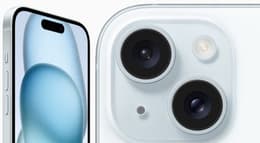
iPhone 15 Plus
iPhone 15 Plus
Starting at

Refurbished price:A$719.00

Versus A$1,399.00 new

See options

Ratings

The Google Pixel 7 (2022) and the iPhone 15 Plus (2023) are prominent smartphones from their respective manufacturers, offering distinct approaches to mobile technology. While both devices provide a premium smartphone experience, they differ significantly in their operating systems, camera philosophies, and overall design. The Pixel 7 runs on Google's Android platform, emphasizing AI-driven features and computational photography, whereas the iPhone 15 Plus operates on Apple's iOS, known for its integrated ecosystem and user-friendly interface.

Scores

Durability

When considering the longevity of these devices, several factors come into play, including their release timelines and software support.

  • Release Timeline: The Google Pixel 7 was released in October 2022, making it a year older than the iPhone 15 Plus, which launched in September 2023. This difference in release date inherently means the iPhone 15 Plus will receive software updates for a longer period.
  • OS Support Duration: Google initially promised three years of OS updates and five years of security patches for the Pixel 7. However, Google later extended this to five years of OS updates and security patches, meaning the Pixel 7 will receive updates until Android 18, expected around 2027. The iPhone 15 Plus, on the other hand, typically receives iOS updates for 6-7 years from its release, extending its software longevity further into the future.
  • Practical Lifespan: Both devices are built with durable materials. The Pixel 7 features Gorilla Glass Victus protection, while the iPhone 15 Plus incorporates Ceramic Shield on its front. Both have an IP68 rating for dust and water resistance. Users prioritizing the absolute longest software support and access to the latest operating system features may find the iPhone 15 Plus to be a more suitable option.

Performance

The performance of a smartphone is crucial for daily tasks, from app usage to demanding games and multitasking.

  • Everyday Task Handling: The Google Pixel 7, powered by its custom-designed processor, handles everyday applications and general navigation smoothly. Users report consistent performance for typical smartphone activities. The iPhone 15 Plus, featuring a powerful processor, delivers brisk performance across various applications and ensures a fluid user experience.
  • Multitasking and Gaming: For more intensive tasks like gaming and heavy multitasking, the iPhone 15 Plus offers robust capabilities, allowing for seamless transitions between apps and smooth gameplay. The Pixel 7 also manages demanding apps and gaming effectively, though some users might notice subtle differences in sustained high-performance scenarios compared to newer, more powerful chipsets.
  • Battery Behavior: The Pixel 7 has a 4355 mAh battery, with users reporting it generally lasts a full day with moderate to heavy use, though some heavy users might need to charge it once or twice daily. The iPhone 15 Plus is noted for its exceptional battery life, often lasting more than a full day, even with significant usage, and has been highlighted in tests for its extended endurance.

Memory (GB)

8 GB

6 GB

Screen quality

The display is a primary interface for any smartphone, and both devices offer high-quality viewing experiences with distinct characteristics.

  • Display Technology and Resolution: The Google Pixel 7 features a 6.3-inch OLED display with a resolution of 1080 x 2400 pixels, providing clear and vibrant visuals. The iPhone 15 Plus comes with a larger 6.7-inch Super Retina XDR OLED display, offering a higher resolution of 2796 x 1290 pixels, resulting in sharp images and text.
  • Refresh Rate and Smoothness: The Pixel 7 has a 90Hz refresh rate, which contributes to smoother scrolling and a more responsive feel during interactions. In contrast, the iPhone 15 Plus features a standard 60Hz refresh rate. Users accustomed to higher refresh rates might notice a difference in fluidity on the iPhone 15 Plus.
  • Brightness Levels: Both phones offer good brightness for various lighting conditions. The Pixel 7 can reach up to 1000 nits (HBM) and 1400 nits (peak) brightness. The iPhone 15 Plus boasts an improved typical brightness of up to 1,000 nits, a peak HDR brightness of up to 1,600 nits, and a peak outdoor brightness of up to 2,000 nits, ensuring excellent visibility even in bright sunlight.

Audiovisual

Both the Google Pixel 7 and iPhone 15 Plus are recognized for their camera capabilities, though they approach photography with different strengths.

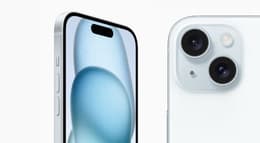
  • Camera System Capabilities: The Pixel 7 features a dual-camera system with a 50MP wide main lens and a 12MP ultrawide lens, known for its computational photography prowess. The iPhone 15 Plus also has a dual-camera setup, upgraded to a 48MP main camera and a 12MP ultrawide camera. It utilizes pixel binning for improved image quality and offers a 2x optical-quality zoom by cropping the main sensor.
  • Photography Performance: The Pixel 7 excels in capturing detailed and well-exposed images in various conditions, with particularly strong low-light performance and impressive Night Sight capabilities. The iPhone 15 Plus produces crisp, vibrant images with accurate colors and good exposure, showing improvements in low-light photography over its predecessor.
  • Video Recording and Features: Both devices offer high-quality video recording. The Pixel 7 supports 4K video at up to 60 frames per second with good stabilization. The iPhone 15 Plus also records clean, crisp 4K video at up to 60 frames per second, with excellent video stabilization, often considered a strong point for iPhones.

Miscellaneous

Beyond core features, several other elements contribute to the overall user experience and practical utility of these smartphones.

  • Connectivity and Ports: Both devices support 5G connectivity, Wi-Fi 6E, and Bluetooth. A significant difference is the charging port: the Pixel 7 uses USB-C, while the iPhone 15 Plus has transitioned from Lightning to USB-C, aligning with industry standards.
  • Biometric Security: The Pixel 7 offers both an under-display optical fingerprint scanner and face unlock for security. The iPhone 15 Plus relies on Face ID for secure authentication.
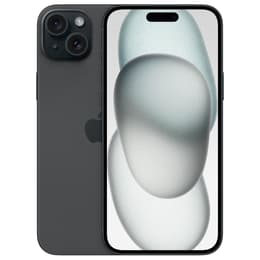
  • Design and Handling: The Pixel 7 has a 6.3-inch display and weighs 197 grams, offering a comfortable balance between screen size and portability. The iPhone 15 Plus, with its larger 6.7-inch display, weighs 201 grams, providing a more expansive viewing area. The iPhone 15 Plus also features the Dynamic Island, an interactive area around the front camera cutout that displays alerts and activities.

Screen size (in)

6.3

6.7

SIM card

Physical SIM + eSIM

Physical SIM + eSIM

Carrier compatibility

Unlocked

Unlocked

User sentiment for the Google Pixel 7 often highlights its exceptional camera quality, particularly its computational photography capabilities, which users find produce impressive results in various lighting conditions. Its clean Android experience and timely software updates are also frequently praised. Some common criticisms include inconsistent battery life for very heavy users and occasional reports of performance throttling under sustained load. The iPhone 15 Plus receives considerable praise for its outstanding battery life, large and vibrant display, and the seamless integration within the Apple ecosystem. Users appreciate the camera upgrades, especially the 48MP main sensor, though some note the absence of a dedicated telephoto lens and the 60Hz refresh rate as potential drawbacks.

Users prioritizing an advanced camera system with strong AI integration and a pure Android experience may find the Google Pixel 7 well-suited to their needs. Those who value extended software support, a larger display, industry-leading battery life, and a tightly integrated ecosystem will likely lean towards the iPhone 15 Plus. Both devices offer compelling features, and choosing between them often comes down to individual preferences for operating system, camera philosophy, and display fluidity. For those seeking a quality-assured refurbished option, both models are available, providing an eco-friendly alternative to new purchases.

See all articles

Our recent comparisons