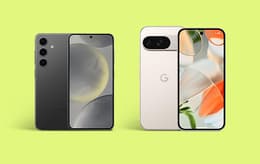
Google Pixel 9 Pro XL vs iPhone 16

Google Pixel 9 Pro XL
Starting at

Refurbished price:A$853.00

Versus A$1,849.00 new

See options
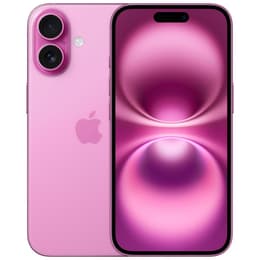
iPhone 16
iPhone 16
Starting at

Refurbished price:A$952.00

Versus A$1,399.00 new

See options

Ratings

The Google Pixel 9 Pro XL, released in August 2024, and the iPhone 16, launched in September 2024, represent the latest flagship offerings from their respective manufacturers. While both devices aim to deliver a premium smartphone experience, they cater to different user preferences through their distinct operating systems and hardware philosophies. The Pixel 9 Pro XL operates on Android, emphasizing advanced computational photography and artificial intelligence, whereas the iPhone 16 runs on iOS, focusing on a streamlined user experience and robust ecosystem integration.

Scores

Durability

When considering the long-term usability of a smartphone, software support and physical durability are key factors. Both the Google Pixel 9 Pro XL and the iPhone 16 are designed for extended lifespans, though their approaches to software longevity and repairability differ.

  • Software Support: The Google Pixel 9 Pro XL is expected to receive seven years of operating system and security updates, offering one of the longest support windows in the Android ecosystem. The iPhone 16 typically receives major iOS updates for approximately five to seven years, with security updates often extending beyond that period.
  • Durability Features: The Pixel 9 Pro XL features Gorilla Glass Victus 2 for screen protection and a redesigned, less curvy build with flatter edges. The iPhone 16 incorporates toughened glass and maintains an IP68 rating for dust and water resistance, similar to its predecessors.
  • Practical Lifespan: Users prioritizing the absolute longest period of major OS feature updates might lean towards the Pixel 9 Pro XL, while the iPhone 16 offers a consistently long support cycle within the Apple ecosystem, ensuring continued access to new features and security patches for many years.

Release year

2024

2024

Compatible with latest Update

Yes

Yes

Foldable

No

No

Performance

Performance in modern smartphones extends beyond raw processing power, encompassing how smoothly the device handles daily tasks, demanding applications, and multitasking. The Google Pixel 9 Pro XL and the iPhone 16 each offer robust performance tailored to their respective operating systems.

  • Processing Capabilities: The Pixel 9 Pro XL is equipped with Google's Tensor G4 processor, designed to efficiently handle on-device AI tasks and provide a responsive experience for everyday applications and moderate gaming. The iPhone 16 features Apple's A18 chip, which delivers strong performance for a wide range of applications, including graphically intensive games and complex video editing tasks.
  • Multitasking and Storage: The Pixel 9 Pro XL offers a substantial 16GB of RAM, facilitating smooth multitasking with numerous applications open simultaneously. The iPhone 16 comes with 8GB of RAM, which, combined with iOS's memory management, provides efficient multitasking. Both devices offer various storage options, ranging from 128GB up to 1TB, allowing users to choose based on their storage needs.
  • Battery Behavior: The Pixel 9 Pro XL includes a 5060mAh battery, designed to provide extended usage throughout the day. The iPhone 16 features a 3561mAh battery, optimized by iOS for efficient power consumption, offering up to 22 hours of video playback.

Memory (GB)

16 GB

8 GB

Screen quality

The display is a primary interface for smartphone interaction, and both the Google Pixel 9 Pro XL and the iPhone 16 offer high-quality viewing experiences, though with distinct characteristics in size and technology.

  • Display Technology and Size: The Pixel 9 Pro XL features a large 6.8-inch OLED display, providing deep blacks and vibrant colors across its expansive screen. The iPhone 16 comes with a 6.1-inch Super Retina XDR OLED display, known for its color accuracy and contrast.
  • Resolution and Brightness: The Pixel 9 Pro XL offers a resolution of 2992 x 1344 pixels and a peak brightness of 3,000 nits, ensuring clear visuals even in bright outdoor conditions. The iPhone 16 has a resolution of 2556 x 1179 pixels (460 ppi) with a typical maximum brightness of 1000 nits, peaking at 1600 nits for HDR content and up to 2000 nits outdoors.
  • Refresh Rate and Smoothness: The Pixel 9 Pro XL's display features a 120Hz refresh rate, contributing to smoother scrolling and more fluid animations. The iPhone 16 maintains a standard 60Hz refresh rate, which is suitable for general use but may not offer the same level of visual fluidity as higher refresh rate displays.

Resolution

1344 x 2992

1179 x 2556

Screen type

LTPO OLED

Super Retina XDR OLED

Audiovisual

Both the Google Pixel 9 Pro XL and the iPhone 16 are equipped with advanced camera systems, each excelling in different aspects of photography and videography, catering to diverse user needs.

  • Rear Camera Systems: The Pixel 9 Pro XL features a versatile triple-camera setup, including a 50MP main sensor, a 48MP ultrawide lens with a 123-degree field of view, and a 48MP telephoto lens offering 5x optical zoom. The iPhone 16 includes an advanced dual-camera system with a 48MP main camera capable of 24MP and 48MP photos, and a 12MP ultrawide lens. The iPhone 16's main camera also enables 2x optical zoom.
  • Photography Features: The Pixel 9 Pro XL is known for its computational photography, delivering high-contrast images with punchy colors and advanced AI editing tools. The iPhone 16 leverages features like Photonic Engine, Deep Fusion, and Smart HDR 5 for detailed and color-accurate photos, alongside new capabilities like spatial video capture for Vision Pro.
  • Video and Front Camera: The Pixel 9 Pro XL supports 8K video recording at 30 frames per second and has a 42MP front-facing camera. The iPhone 16 offers high-quality video recording and a 12MP front camera, with improvements in low-light performance for the ultrawide lens and a new macro mode.

Main camera

50 megapixels

48 megapixels

Front camera

42 megapixels

12 megapixels

Miscellaneous

Beyond core performance and display, several practical elements contribute to the overall user experience of a smartphone. The Google Pixel 9 Pro XL and the iPhone 16 offer distinct features in connectivity, physical design, and biometric security.

  • Connectivity and Ports: Both devices support 5G connectivity. The Pixel 9 Pro XL is expected to feature Wi-Fi 7 and an updated modem with satellite connectivity support. The iPhone 16 also supports modern Wi-Fi standards and utilizes a USB-C port for charging and data transfer.
  • Physical Design and Handling: The Pixel 9 Pro XL measures 162.8 x 76.6 x 8.5 mm and weighs 221g, featuring a less curvy design with flatter edges and a redesigned camera block. The iPhone 16 is more compact at 147.6 x 71.6 x 7.8 mm and weighs 170g, offering a lighter and potentially easier-to-handle form factor for some users.
  • Biometric Security: The Pixel 9 Pro XL incorporates an under-display ultrasonic fingerprint sensor for secure unlocking. The iPhone 16 relies on Face ID for facial recognition, providing a secure and convenient unlocking method.

Weight

221 oz

170 oz

Screen size (in)

6.8

6.1

Network

5G

5G

SIM card

Physical SIM + eSIM

Physical SIM + eSIM

Carrier compatibility

Unlocked

Unlocked

User feedback for the Pixel series often highlights its exceptional camera capabilities, particularly in still photography, and the clean, feature-rich Android experience with timely updates. Users appreciate the Pixel's unique AI features and the long-term software support. Some common criticisms for previous Pixel models have occasionally pointed to processor efficiency compared to competitors, though the Tensor G4 aims to address this.

For the iPhone series, users consistently praise the smooth and intuitive iOS experience, strong ecosystem integration, and reliable performance. The camera system is often lauded for its consistency and video quality. Criticisms sometimes revolve around the incremental nature of upgrades in standard models and the refresh rate of non-Pro displays.

Users prioritizing a large, high-refresh-rate display, extensive RAM for heavy multitasking, and a camera system with high megapixel counts across all lenses, coupled with a long software support commitment, may find the Google Pixel 9 Pro XL well-suited to their needs. Its focus on AI-driven features and a pure Android experience appeals to those who value customization and Google's integrated services.

Conversely, users who prefer a more compact device, a highly optimized and secure operating system, and a camera system renowned for its consistent image processing and video capabilities, will likely lean towards the iPhone 16. Its seamless integration within the Apple ecosystem and strong long-term support make it a reliable choice for many. Both devices offer quality-assured refurbished options, providing an eco-friendly alternative for consumers seeking sustainable choices.


See all articles

Our recent comparisons