
Compare models
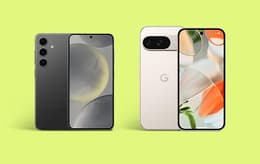
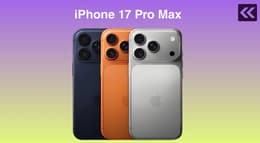
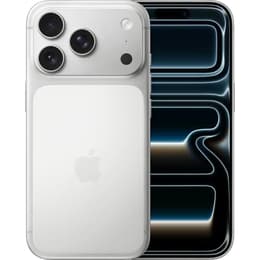
Google Pixel 9 Pro Fold vs iPhone 17 Pro
- 1-year warranty
- Free standard shipping
- Free 30-day returns
Differences at a glance
The Google Pixel 9 Pro Fold (2024) and the Apple iPhone 17 Pro (2025) represent two distinct approaches to high-end mobile engineering: a versatile book-style folding device and a refined traditional slab smartphone. While both handsets cater to users seeking top-tier functionality, they differ fundamentally in form factor, operating system, and hardware philosophy. The Pixel runs on Android with an expandable dual-screen layout, whereas the iPhone operates on iOS within a classic, pocket-friendly titanium or aluminum slab design. Choosing between them depends heavily on whether daily mobile habits favor expansive workspace flexibility or streamlined single-screen operation.
Available Models
Colour
Storage
Scores
Durability
Device longevity and software support frameworks differ notably between these two modern hardware releases, influencing how long each handset remains current.
- Software Support Longevity: The Pixel provides an extended seven-year commitment for operating system updates and security patches, matching the multi-year support window of the iPhone.
- Hardware Durability: The iPhone features reinforced glass-ceramic front protection and a solid unibody construction, whereas folding devices like the Pixel involve moving hinge components and flexible inner screens that require more careful physical handling.
- Repairability Outlook: Traditional slab phones generally present fewer long-term maintenance complexities than folding architectures, though both manufacturers offer structured repair channels and component sourcing.
Release year
2024
2025
Compatible with latest Update
Yes
Yes
Operating system
Android
iOS
Foldable
Yes
No
Performance
Underneath the exterior casing, both devices manage demanding workloads, multitasking sequences, and resource-heavy applications efficiently through current-generation hardware integration.
- Multitasking and Memory: The Pixel relies on a generous amount of system memory to support simultaneous split-screen applications, while the iPhone utilizes tightly optimized memory management to switch between intensive background tasks seamlessly.
- App Responsiveness: Both models launch complex applications instantly and handle high-fidelity mobile gaming without noticeable stutter or thermal throttling during standard usage periods.
- Battery Behavior: The iPhone sustains a full day of mixed browsing and media playback on a single charge, whereas the Pixel's larger folding screen configuration demands more power during extended tablet-mode sessions, leading to more frequent charging intervals for heavy users.
Screen quality
Display architecture is the single most defining characteristic separating these two devices, dictating how users consume media, read documents, and interact with visual content.
- Display Layout: The Pixel offers a standard outer cover display alongside an 8-inch foldable interior panel that transforms the device into a compact tablet, whereas the iPhone utilizes a fixed 6.3-inch OLED screen with high pixel density.
- Visual Fluidity: Both handsets support high refresh rates, ensuring smooth scrolling through web pages, fluid animation transitions, and responsive touch feedback.
- Outdoor Visibility: Peak brightness levels on both devices ensure clear legibility and accurate color reproduction even under direct sunlight.
Audiovisual
Imaging hardware and computational photography tools on both smartphones deliver sharp, detailed photos and stable video output across various lighting conditions.
- Photography Systems: Both models feature versatile multi-lens rear arrays including main, ultra-wide, and telephoto options, capturing crisp details in low-light environments and daylight alike.
- Video Recording: Video capture remains smooth and detailed on both devices, supported by advanced stabilization algorithms and high-dynamic-range processing for professional-looking results.
- Audio and Media Output: Stereo speakers on both units deliver balanced sound output for hands-free calls and casual media consumption, accompanied by clear microphone arrays that isolate voice input effectively during calls.
Front camera
10 megapixels
18 megapixels
Miscellaneous
Practical daily usability elements, connectivity standards, and physical dimensions shape how comfortably each phone integrates into everyday routines.
- Connectivity and Ports: Both models support current 5G networks, fast Wi-Fi standards, and Bluetooth pairing, utilizing reversible USB-C ports for charging and data transfer.
- Security Sensors: Secure biometric authentication is handled via facial recognition or integrated fingerprint sensors depending on the specific model architecture.
- Physical Handling: The iPhone maintains a lighter, narrower profile suited for one-handed pocket use, while the Pixel carries additional weight and thickness to accommodate its folding hinge and dual-screen mechanism.
Weight
257 oz
206 oz
Screen size (in)
8.0
6.3
Network
5G
5G
SIM card
Physical SIM + eSIM
Physical SIM + eSIM
Carrier compatibility
Unlocked
Unlocked
What the community thinks
User feedback from community discussions highlights distinct patterns of praise and common criticisms for each handset. Owners of the Google Pixel 9 Pro Fold frequently praise the expansive inner screen workspace and multitasking flexibility, though some note that the heavier physical weight and visible screen crease take time to get used to. Conversely, users of the Apple iPhone 17 Pro appreciate its refined ergonomics, reliable battery longevity, and robust pocket-friendly build, while occasional critiques focus on the limitation of a single fixed screen size.
Users prioritizing multitasking space, split-screen productivity, and a transforming tablet experience will find the Google Pixel 9 Pro Fold well-suited to their workflow. Meanwhile, users prioritizing a lightweight build, traditional one-handed ergonomics, and seamless ecosystem integration may lean toward the Apple iPhone 17 Pro. For buyers exploring sustainable purchasing avenues, quality-assured refurbished options provide an eco-friendly alternative that reduces electronic waste without compromising on functional capability.