Samsung
Compare models
Differences at a glance
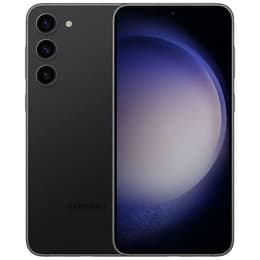
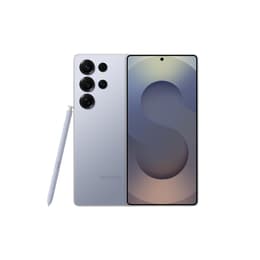
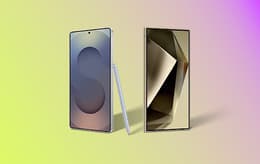
The Samsung Galaxy S23 Plus, released in February 2023, and the Samsung Galaxy S25 Ultra, launched in February 2025, represent different tiers and generations within Samsung's flagship smartphone lineup. While both devices operate on the Android platform with Samsung's One UI, the S25 Ultra, as a newer and higher-end model, introduces advancements in display technology, camera capabilities, and extended software support. These differences cater to varying user needs, from everyday reliability to cutting-edge performance and features.
Colour
Storage
The practical lifespan of a smartphone is significantly influenced by its release timeline and the duration of software support it receives. The Galaxy S23 Plus, launched in early 2023, was initially promised four years of Android OS updates and five years of security updates [31]. In contrast, the Galaxy S25 Ultra, released in early 2025, benefits from Samsung's updated policy, guaranteeing seven years of Android OS upgrades and seven years of security updates, extending its viability through 2032 [15, 27, 30, 41, 44].
Release year
Operating system
Foldable
Performance is a key differentiator, with the newer Galaxy S25 Ultra offering a more advanced processing package compared to the S23 Plus.
The display experience varies significantly between these two models, with the S25 Ultra offering a more premium visual interface.
Resolution
The camera systems on both devices are capable, but the S25 Ultra, as an Ultra model, provides a more versatile and advanced photography and videography experience.
Beyond core specifications, several practical elements contribute to the overall user experience of these smartphones.
Weight
Screen size (in)
Network
SIM card
Carrier compatibility
The Samsung Galaxy S23 Plus and Galaxy S25 Ultra cater to distinct user expectations, reflecting their generational and tier differences. Users of the S23 Plus frequently praise its consistent performance, reliable battery life, and excellent speakers, making it a solid choice for everyday use [22, 31, 32]. Its flat display is also a noted preference for some. However, some users have pointed out that its camera, while good, may not be as consistent as the Ultra models or competitors in certain scenarios [19, 33, 37].
The Galaxy S25 Ultra, as the newer and more premium device, receives acclaim for its stunning, bright, and high-resolution display, powerful processing capabilities, and a highly versatile camera system, particularly its zoom performance and low-light photography [5, 7, 9, 23, 28, 35]. Its extended software support is also a significant advantage for long-term ownership [15, 41]. Criticisms from users include some S Pen features being removed (though the S23 Plus does not have an S Pen), a desire for faster charging, and occasional inconsistencies with the in-display fingerprint sensor [18, 23, 26].
For users prioritizing long-term software support, a top-tier display, and the most advanced camera system with extensive zoom capabilities, the Galaxy S25 Ultra is well-suited. Its enhanced performance also benefits power users and those who engage in demanding tasks. Conversely, individuals seeking a highly capable smartphone for daily use with a comfortable form factor, excellent battery life, and a strong overall experience, without needing the absolute latest camera technology or the largest display, may find the Galaxy S23 Plus to be a practical choice. Both devices offer a quality experience, and considering a refurbished option for either can be an eco-friendly, quality-assured alternative.