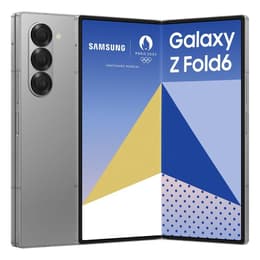
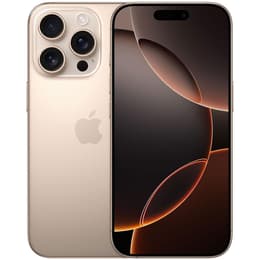

Galaxy Z Fold6 vs iPhone 16 Pro

Galaxy Z Fold6
Galaxy Z Fold6
Starting at

Refurbished price:A$1,088.24

Versus A$2,749.00 new

See options
iPhone 16 Pro
iPhone 16 Pro
Starting at

Refurbished price:A$1,148.00

Versus A$1,999.00 new

See options

Ratings

The Samsung Galaxy Z Fold6, released in July 2024, and the Apple iPhone 16 Pro, launched in September 2024, represent distinct approaches to high-end smartphone design and functionality. While the Galaxy Z Fold6 offers a unique foldable form factor running on Android, the iPhone 16 Pro maintains a traditional slate design powered by iOS. The primary differentiator lies in the Z Fold6's expansive, adaptable screen experience versus the iPhone 16 Pro's refined, integrated ecosystem.

Scores

Durability

Both devices are designed for extended use, but their software support timelines and physical designs present different longevity considerations.

  • Software Support: The Galaxy Z Fold6 is committed to providing seven years of Android OS upgrades and seven years of security updates, ensuring a long period of up-to-date features and protection. The iPhone 16 Pro, while not having a publicly stated number of years, typically receives iOS updates for approximately five to six years from its release, offering consistent software enhancements and security patches.
  • Physical Durability: The Galaxy Z Fold6 introduces an IP48 rating for dust and water resistance, a notable improvement for foldable devices, alongside an enhanced Armor Aluminum frame. The iPhone 16 Pro features a robust build, including Ceramic Shield protection and an IP68 water resistance rating, designed to withstand daily wear and tear.
  • Practical Lifespan: Users prioritizing the latest software features for the longest possible duration may find the Z Fold6's seven-year update policy appealing. For those who prefer a traditional, highly durable form factor with consistent, albeit shorter, software support, the iPhone 16 Pro offers a reliable choice.

Release year

2024

2024

Compatible with latest Update

Yes

Yes

Foldable

Yes

No

Performance

Both smartphones are equipped with advanced processors designed to handle demanding tasks, though their architectures differ.

  • Processing Power: The Galaxy Z Fold6 is powered by a current-generation Qualcomm Snapdragon processor optimized for Galaxy devices, enabling smooth performance across applications, multitasking, and graphics-intensive gaming. The iPhone 16 Pro features Apple's A18 Pro chip, which delivers responsive performance for complex applications, advanced photography computations, and efficient handling of the iOS ecosystem.
  • Multitasking and Responsiveness: The Z Fold6's large foldable display is well-suited for extensive multitasking, allowing users to run multiple applications simultaneously with fluidity. The iPhone 16 Pro offers a highly optimized and responsive user experience, with quick app loading times and seamless transitions, benefiting from the tight integration of hardware and software.
  • Battery Behavior: The Galaxy Z Fold6 includes a 4,400 mAh battery, supporting a full day of varied usage for many users. The iPhone 16 Pro features a 3,582 mAh battery, which, combined with its efficient processor, provides up to 27 hours of offline video playback and 22 hours of streaming video, often lasting a full day even for heavy users.

Memory (GB)

12 GB

8 GB

Screen quality

The display experience is a key differentiator, with the Z Fold6 offering a versatile folding screen and the iPhone 16 Pro providing a high-quality traditional panel.

  • Display Technology and Size: The Galaxy Z Fold6 features a 7.6-inch foldable Dynamic AMOLED 2X main display and a 6.3-inch Dynamic AMOLED 2X cover screen, both with a 120Hz adaptive refresh rate. The iPhone 16 Pro comes with a 6.3-inch advanced OLED display, also offering a smooth refresh rate for fluid visuals.
  • Brightness and Clarity: The Z Fold6's main display can reach a peak brightness of 2,600 nits, providing excellent visibility even in bright outdoor conditions. The iPhone 16 Pro's display offers a typical brightness of 1200 nits for standard content and a peak HDR brightness of 1600 nits, ensuring clear and vibrant visuals.
  • Viewing Experience: The Z Fold6's wider cover screen and squarer inner display aspect ratio enhance usability in both folded and unfolded states, making the cover screen more practical for everyday tasks. The iPhone 16 Pro features thinner bezels, maximizing the display area and contributing to an immersive viewing experience.

Resolution

1856 x 2160

1206 x 2622

Screen type

Foldable Dynamic LTPO AMOLED 2X

LTPO Super Retina XDR OLED

Audiovisual

Both devices offer advanced camera systems, each with specific strengths for different photography and videography needs.

  • Camera System Configuration: The Galaxy Z Fold6 includes a 50MP main camera, a 12MP ultrawide camera, and a 10MP telephoto lens with 3x optical zoom. The iPhone 16 Pro features a 48MP main camera, a new 48MP ultrawide camera, and a 5x optical zoom telephoto lens, bringing enhanced zoom capabilities to the smaller Pro model.
  • Photography Performance: The Z Fold6's ultrawide camera has an upgraded sensor for improved low-light performance, and its overall camera system has been highly rated among foldables for dynamic range and exposure. The iPhone 16 Pro's new 48MP ultrawide camera also significantly enhances low-light image capture, and its main camera benefits from a faster, more efficient sensor for detailed photos.
  • Video Capabilities and Features: The Z Fold6 supports 4K slow-motion video at 120 frames per second and Full HD at 240 frames per second. The iPhone 16 Pro offers 4K video recording at 120 frames per second, providing advanced options for high-quality video capture. Both devices aim to deliver excellent video stabilization and color accuracy. The iPhone 16 Pro also introduces a dedicated Camera Control button for quick access to camera functions.

Main camera

50 megapixels

48 megapixels

Front camera

4 megapixels

12 megapixels

Miscellaneous

Beyond core features, several practical elements distinguish these two high-end smartphones.

  • Connectivity and Ports: Both devices support 5G cellular networks and the latest Wi-Fi standards, including Wi-Fi 7 for the iPhone 16 Pro, ensuring fast and reliable wireless connections. Both utilize a USB-C port for charging and data transfer, with the iPhone 16 Pro's port supporting USB 3.2 Gen 2 speeds and DisplayPort functionality.
  • Biometrics and User Interaction: The Galaxy Z Fold6 typically uses a side-mounted fingerprint sensor for secure unlocking, while the iPhone 16 Pro relies on Face ID for facial recognition. The Z Fold6 supports S Pen input, offering enhanced productivity, though the stylus is not integrated into the device itself.
  • Design and Handling: The Galaxy Z Fold6 is designed to be lighter and thinner than its predecessor, weighing 239g, and offers a unique folding design that transforms from a compact phone to a tablet-like experience. The iPhone 16 Pro maintains a traditional smartphone form factor, weighing 199g, with a focus on premium materials and a comfortable in-hand feel.

Weight

239 oz

199 oz

Screen size (in)

7.6

6.3

Network

5G

5G

SIM card

Dual Physical SIM + eSIM

Physical SIM + eSIM

Carrier compatibility

Unlocked

Unlocked

The Galaxy Z Fold6 and iPhone 16 Pro cater to different user preferences, each excelling in its respective design philosophy. Users who prioritize a large, adaptable screen for productivity, media consumption, and a cutting-edge foldable experience will find the Galaxy Z Fold6 well-suited to their needs. Its robust software support and enhanced durability for a foldable device make it a compelling choice for those seeking innovation in form factor.

Conversely, users who prefer a traditional, highly refined smartphone experience with a focus on a seamlessly integrated ecosystem, advanced photography and videography features, and consistent performance will lean towards the iPhone 16 Pro. Its improved display brightness, enhanced camera capabilities, and extended battery life contribute to a premium and reliable daily driver.

Common praise for the Z Fold6 often highlights its versatility and the immersive experience of its large inner display, while some users might consider the bulk and crease of a foldable device. The iPhone 16 Pro is frequently lauded for its powerful performance, camera quality, and the intuitive nature of iOS, with discussions sometimes touching on the desire for more significant design changes. Ultimately, the decision hinges on whether a user values the transformative nature of a foldable device or the polished, consistent experience of a high-end traditional smartphone. Both models are available as quality-assured refurbished options, providing an eco-friendly alternative for consumers.


See all articles

Our recent comparisons