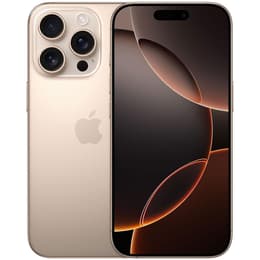

Google Pixel 9 Pro Fold vs iPhone 16 Pro

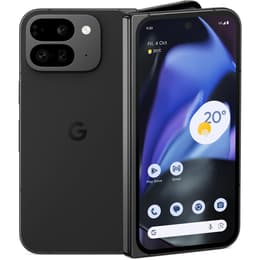
Google Pixel 9 Pro Fold
See options
iPhone 16 Pro
iPhone 16 Pro
Starting at

Refurbished price:A$1,148.00

Versus A$1,999.00 new

See options

Ratings

The Google Pixel 9 Pro Fold, released in September 2024, and the iPhone 16 Pro, launched in September 2024, represent distinct approaches to high-end smartphone design and functionality. While the Pixel 9 Pro Fold offers a unique foldable form factor running on Android, the iPhone 16 Pro maintains a traditional slab design powered by iOS. These devices cater to different user preferences, primarily distinguished by their operating systems and physical designs, which influence how users interact with their technology.

Scores

Durability

When considering the long-term usability of these devices, their release timelines and software support policies are key factors. Both models were released in the latter half of 2024, placing them at a similar starting point for their lifecycle.

  • Software Longevity: Google has committed to providing seven years of operating system, security, and Pixel Feature Drop updates for the Pixel 9 Pro Fold, ensuring extended software support. Apple typically offers five to seven years of major iOS updates for its iPhones, alongside continued security patches, suggesting a comparable, if slightly variable, support window for the iPhone 16 Pro.
  • Physical Durability: The iPhone 16 Pro features a titanium design with a Ceramic Shield front and IP68 dust and water resistance, contributing to its robust build. The Pixel 9 Pro Fold, as a foldable device, presents different durability considerations. While its hinge design is intended to be robust, the inner foldable screen, made of a more flexible material, may be more susceptible to damage from sharp objects or extreme conditions compared to a traditional glass display. However, improvements in hinge design and overall construction are expected for this generation of Pixel Fold devices.
  • Repairability: Both devices are complex pieces of technology. While specific repairability scores are not always immediately available upon release, Apple generally provides hardware services for several years beyond software support. Google's commitment to seven years of updates for the Pixel 9 Pro Fold also includes hardware support and parts availability for the same duration.

Release year

2024

2024

Compatible with latest Update

Yes

Yes

Foldable

Yes

No

Performance

The performance of both the Google Pixel 9 Pro Fold and the iPhone 16 Pro is designed to handle demanding tasks, though they achieve this through different hardware and software optimizations.

  • Processing Power: The iPhone 16 Pro is equipped with Apple's A18 Pro chip, which provides significant enhancements in overall performance, particularly for AI-related tasks and demanding applications. The Pixel 9 Pro Fold utilizes Google's Tensor G4 processor, optimized for Google's AI features and machine learning, ensuring smooth operation and efficient handling of complex computational photography and on-device AI.
  • Multitasking and Responsiveness: With 8GB of RAM, the iPhone 16 Pro offers fluid multitasking and app switching within the iOS environment. The Pixel 9 Pro Fold, featuring 16GB of RAM, provides ample capacity for managing numerous applications simultaneously, which is particularly beneficial for its large foldable display and the demands of a desktop-like experience when unfolded.
  • Battery Behavior: The iPhone 16 Pro includes a 3582 mAh battery, offering improved longevity over its predecessor, with users reporting it can comfortably last through a full day of varied use, including travel and photography. The Pixel 9 Pro Fold is expected to feature an improved battery, building on the previous generation's capacity, aiming to provide robust power for its dual-screen usage.
  • Storage Options: The iPhone 16 Pro offers a range of storage configurations from 128GB up to 1TB. The Pixel 9 Pro Fold is available with 256GB or 512GB of internal storage.

Memory (GB)

16 GB

8 GB

Screen quality

The display experience is a primary differentiator between these two devices, with the Pixel 9 Pro Fold offering a versatile dual-screen setup and the iPhone 16 Pro providing a single, high-quality traditional display.

  • Display Technology and Clarity: The iPhone 16 Pro features a 6.3-inch Super Retina XDR OLED display with a resolution of 2622x1206 pixels, resulting in a sharp 460 pixels per inch. This OLED technology delivers deep blacks and vibrant colors. The Pixel 9 Pro Fold boasts two OLED displays: an 8.02-inch foldable inner screen with a resolution of 1840 x 2208 pixels and a 6.29-inch cover screen with 1080 x 2092 pixels. Both offer rich colors and contrast.
  • Brightness and Outdoor Visibility: The iPhone 16 Pro's display can reach a typical maximum brightness of 1000 nits and a peak outdoor brightness of 2000 nits, ensuring excellent visibility even in bright sunlight. The Pixel 9 Pro Fold's displays also offer high brightness levels, with the cover display reaching 1550 nits peak and the inner display 1450 nits peak, providing good outdoor readability.
  • Refresh Rate and Smoothness: Both devices feature adaptive refresh rates up to 120Hz, known as ProMotion on the iPhone 16 Pro. This technology allows for smoother scrolling, more responsive gaming, and an overall fluid user experience, while also conserving power by adjusting the refresh rate based on content.
  • Screen Size and Viewing Experience: The iPhone 16 Pro's 6.3-inch display offers a generous viewing area for a traditional smartphone. The Pixel 9 Pro Fold provides the flexibility of a standard smartphone experience on its cover screen and transforms into a larger, tablet-like display when unfolded, ideal for media consumption, productivity, and multitasking.

Resolution

2076 x 2152

1206 x 2622

Screen type

Foldable LTPO OLED

LTPO Super Retina XDR OLED

Audiovisual

Both the Google Pixel 9 Pro Fold and the iPhone 16 Pro are equipped with advanced camera systems, each leveraging their respective strengths in computational photography and hardware to deliver high-quality images and videos.

  • Rear Camera Systems: The iPhone 16 Pro features a versatile triple-camera setup, including a 48-megapixel wide lens with sensor-shift optical image stabilization, a 48-megapixel ultrawide lens with a 120-degree field of view, and a 12-megapixel telephoto lens offering 5x optical zoom. The Pixel 9 Pro Fold also comes with a triple rear camera system, comprising a 48-megapixel wide lens, a 10.5-megapixel ultrawide lens with a 127-degree field of view, and a 10.8-megapixel telephoto lens with 5x optical zoom.
  • Photography Performance: The iPhone 16 Pro's camera system is praised for its consistent image quality across lenses, strong dynamic range, and class-leading video performance, particularly with ProRes footage. Its computational photography enhancements improve shots between different zoom levels. The Pixel 9 Pro Fold benefits from Google's renowned computational photography and AI features, which excel in areas like low-light performance and detail preservation.
  • Video Recording Capabilities: The iPhone 16 Pro offers 4K Dolby Vision video recording at various frame rates, including 100 fps and 120 fps, along with ProRes support for professional workflows. The Pixel 9 Pro Fold supports 4K video recording at 30/60fps and 1080p at up to 240fps, with 10-bit HDR.
  • Front and Inner Cameras: The iPhone 16 Pro includes a 12-megapixel TrueDepth front camera. The Pixel 9 Pro Fold features a 10-megapixel front camera and an additional 10-megapixel inner camera for video calls and selfies when unfolded.

Main camera

48 megapixels

48 megapixels

Front camera

10 megapixels

12 megapixels

Miscellaneous

Beyond core performance and display, several practical elements contribute to the overall user experience of these devices, from connectivity to physical design.

  • Connectivity Standards: Both smartphones support 5G for fast cellular data. The iPhone 16 Pro includes Wi-Fi 7 and Bluetooth 5.3, offering advanced wireless connectivity. The Pixel 9 Pro Fold also supports modern Wi-Fi standards and Bluetooth, ensuring reliable wireless connections.
  • Ports and Biometrics: The iPhone 16 Pro has transitioned to a USB-C port, aligning with broader industry standards. It relies on Face ID for secure biometric authentication. The Pixel 9 Pro Fold features a USB Type-C port and offers both a fingerprint sensor and face unlock for security.
  • Physical Design and Handling: The iPhone 16 Pro, with its titanium frame, measures 149.6 x 71.5 x 8.25 mm and weighs 199 grams, providing a premium and relatively lightweight feel for a traditional smartphone. The Pixel 9 Pro Fold, due to its foldable nature, has different dimensions: 155.2 x 77.1 x 10.5mm when folded and 155.2 x 150.2 x 5.1mm when unfolded, weighing 257 grams. This makes it thicker and heavier when folded compared to the iPhone, but offers a significantly larger screen when open.
  • Build Materials: The iPhone 16 Pro utilizes a titanium alloy for its frame, contributing to its durability and lighter weight. The Pixel 9 Pro Fold incorporates Gorilla Glass Victus for its outer surfaces and an aluminum frame, with a focus on a robust hinge mechanism.

Weight

257 oz

199 oz

Screen size (in)

8.0

6.3

Network

5G

5G

SIM card

Physical SIM + eSIM

Physical SIM + eSIM

Carrier compatibility

Unlocked

Unlocked

Choosing between the Google Pixel 9 Pro Fold and the iPhone 16 Pro involves weighing distinct priorities in smartphone design and ecosystem. The iPhone 16 Pro is consistently praised for its refined camera system, particularly its video capabilities and consistent image processing across lenses. Users often highlight its robust performance for everyday tasks and gaming, along with the long-term software support and established ecosystem of iOS. Criticisms sometimes point to its traditional form factor, which, while durable, lacks the expansive screen real estate of a foldable. The Pixel 9 Pro Fold, on the other hand, garners attention for its innovative foldable design, offering a large, tablet-like display in a pocketable form factor. Users appreciate the flexibility this provides for multitasking and media consumption, alongside Google's advanced AI features and computational photography. However, concerns about the long-term durability of foldable screens and the added bulk when folded are common points of discussion.

Users who prioritize a compact, highly refined traditional smartphone experience with a strong emphasis on video recording and a consistent software ecosystem will find the iPhone 16 Pro well-suited to their needs. Its robust build and extended software support make it a reliable choice for many. Conversely, individuals seeking a versatile device that can transform from a standard smartphone to a large-screen tablet, benefiting from Google's AI innovations and a flexible Android environment, may lean towards the Pixel 9 Pro Fold. Its unique form factor is ideal for those who frequently consume media or multitask on the go. Both devices offer compelling features, and for those considering a quality-assured refurbished option, both models are likely to become available, providing an eco-friendly alternative for informed purchasing decisions.

See all articles

Our recent comparisons