
Compare models
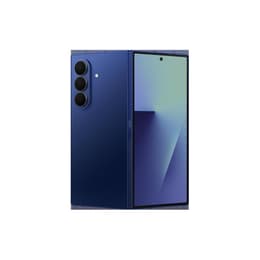
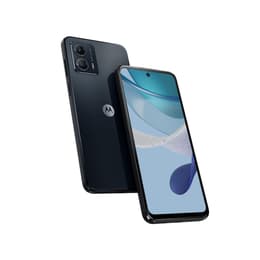
Galaxy Z Fold7 vs Motorola Moto G53
- 1-year warranty
- Free standard shipping
- Free 30-day returns
Differences at a glance
The Samsung Galaxy Z Fold7 (2025) and the Motorola Moto G53 (2022) represent two completely different approaches to modern smartphone engineering. While the Galaxy Z Fold7 is an advanced foldable flagship featuring a book-style expanding screen and cutting-edge hardware, the Motorola Moto G53 is a conventional candy-bar device built for straightforward daily communication. Both devices run variations of the Android operating system, though they serve contrasting segments of the mobile market.
Available Models
Colour
Storage (GB)
Scores
Durability
These devices span different release windows and support timelines, impacting their long-term viability and software upkeep.
- Software Support: The Galaxy Z Fold7 arrives with an extensive multi-year commitment for operating system upgrades and security patches, whereas the Motorola Moto G53 operates on an older software cycle with more limited future upgrade longevity.
- Build and Repairability: The Galaxy Z Fold7 incorporates complex hinge mechanics and dual screens requiring specialized handling, while the Motorola Moto G53 features a traditional rigid plastic frame that follows standard entry-level repair paths.
- Expected Lifespan: High-tier internal components ensure the Galaxy Z Fold7 maintains high performance headroom for years, while the Moto G53 suits shorter-term or basic connectivity needs.
Release year
2025
2022
Operating system
Android
Android
Foldable
Yes
No
Performance
Daily speed, multitasking capability, and power efficiency differ substantially due to each device's internal architecture.
- System Responsiveness: The Galaxy Z Fold7 handles demanding multi-window workflows, high-end mobile games, and intensive applications with seamless fluency, whereas the Moto G53 manages standard tasks like web browsing, messaging, and light streaming reliably.
- Memory and Storage: The Galaxy Z Fold7 provides generous RAM configurations paired with ample storage tiers, while the Moto G53 relies on modest memory allotments suited for straightforward background app management.
- Battery Behavior: The Moto G53 benefits from lower-demand hardware to stretch its battery capacity comfortably through daily tasks, while the Galaxy Z Fold7 balances power-hungry dual displays with efficient energy management.
Screen quality
Display technology is the most dramatic point of divergence between these two phones, influencing media consumption and workspace utility.
- Display Technology: The Galaxy Z Fold7 utilizes a flexible inner OLED panel alongside a vibrant outer cover screen, while the Moto G53 relies on a standard liquid crystal display panel.
- Clarity and Refresh Rates: Both devices offer smooth visual scrolling, but the Galaxy Z Fold7 delivers significantly higher resolution, sharper pixel density, and deeper contrast ratios.
- Outdoor Usability: Peak brightness levels on the Galaxy Z Fold7 ensure legibility under direct sunlight, while the Moto G53 requires manual shade adjustment in very bright environments.
Resolution
1968x2184
720 x 1600
Audiovisual
Imaging hardware and multimedia output reflect the distinct tier placement of each smartphone.
- Camera Versatility: The Galaxy Z Fold7 equips a high-resolution multi-lens array capable of detailed high-zoom and low-light captures, while the Moto G53 offers a basic dual-camera setup suited for casual snapshots.
- Video and Audio: The Galaxy Z Fold7 records high-definition video with advanced stabilization and robust stereo speakers, whereas the Moto G53 covers fundamental video recording and standard media playback needs.
Miscellaneous
Physical dimensions, connectivity standards, and daily handling characteristics vary considerably between the two form factors.
- Portability and Handling: The Moto G53 features a lightweight, traditional candy-bar footprint, while the Galaxy Z Fold7 folds into a compact phone-like profile before expanding into a tablet-sized workspace.
- Connectivity: Both models support modern mobile networks, though the Galaxy Z Fold7 includes updated wireless standards and faster data transfer protocols.
- Authentication: The Galaxy Z Fold7 uses advanced biometric recognition options, whereas the Moto G53 relies on a dependable side-mounted fingerprint sensor.
Weight
215 oz
183 oz
Screen size (in)
8.0
6,5
Network
5G
5G
SIM card
Dual Physical SIM + eSIM
Dual Physical SIM
Carrier compatibility
Unlocked
Unlocked
What the community thinks
User discussions highlight distinct advantages for both devices depending on daily use cases. Owners of the Galaxy Z Fold7 frequently praise its expansive multitasking workspace and high-end display versatility, though some note the heavier weight and folded thickness require adjustment. Conversely, users appreciate the Motorola Moto G53 for its lightweight simplicity, reliable everyday battery duration, and straightforward operation, while observing that its processing power and screen brightness are limited to basic tasks.
Users prioritizing productivity, expansive screen space, and advanced mobile capabilities will find the Galaxy Z Fold7 well-suited to their workflow. Meanwhile, users looking for a straightforward, single-screen device for calling, messaging, and light media consumption may lean toward the Motorola Moto G53. For those exploring sustainable hardware choices, selecting a quality-assured refurbished option provides a practical way to access advanced technology while supporting eco-friendly tech consumption.