
Compare models

Google Pixel 7a vs iPhone 17 Pro

  • 1-year warranty
  • Free standard shipping
  • Free 30-day returns
Google Pixel 7a
Starting at

Refurbished price:A$299.00

Versus A$604.50 new

See options
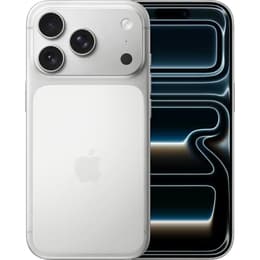
iPhone 17 Pro
Starting at

Refurbished price:A$1,620.00

Versus A$1,999.00 new

See options

Differences at a glance

The Google Pixel 7a (2023) and the Apple iPhone 17 Pro (2025) are smartphones representing different tiers and release windows within the mobile market. While the Google Pixel 7a runs on the Android operating system and focuses on everyday practicality, the iPhone 17 Pro operates on iOS and targets high-performance mobile computing. These devices differ substantially in release generation, build philosophy, and software ecosystems.

Available Models

Colour

Storage

Scores

Durability

Both devices offer distinct longevity expectations shaped by their respective software update cycles and hardware durability standards.

  • Software Support: The iPhone 17 Pro benefits from Apple's extended update timeline, while the Google Pixel 7a provides a multi-year commitment typical of mid-range Android devices.
  • Build Durability: The iPhone 17 Pro features advanced glass protection and aluminum framing, whereas the Google Pixel 7a utilizes gorilla glass and a composite back plate.
  • Repairability: Both models align with contemporary manufacturer repair guidelines, though parts availability varies by regional service networks.

Release year

2022

2025

Compatible with latest Update

Yes

Yes

Operating system

Android

iOS

Foldable

No

No

Performance

System capabilities and everyday speed differ notably between these two handsets based on internal hardware configurations and memory capacity.

  • Multitasking and Speed: The iPhone 17 Pro handles demanding applications and heavy mobile gaming with swift responsiveness, while the Google Pixel 7a manages everyday tasks, social media, and casual apps smoothly.
  • Storage Configurations: The iPhone 17 Pro starts with higher baseline storage capacities, whereas the Google Pixel 7a offers standard mid-tier storage suited to moderate file management.
  • Battery Behavior: The iPhone 17 Pro provides extensive battery longevity during intensive media workflows, while the Google Pixel 7a sustains typical daily use before requiring a recharge.

Screen quality

Visual output and display responsiveness vary across both screens, influencing media consumption and outdoor usability.

  • Display Technology: Both models utilize vibrant OLED panels that deliver deep blacks and high contrast ratios for viewing photos and videos.
  • Refresh Rates: The iPhone 17 Pro includes an adaptive high refresh rate for fluid scrolling, while the Google Pixel 7a features a fixed high refresh rate option for smooth visual transitions.
  • Outdoor Brightness: The iPhone 17 Pro reaches higher peak luminance levels for direct sunlight legibility, whereas the Google Pixel 7a remains clearly viewable under standard daylight conditions.

Audiovisual

Photography and audio recording capabilities cater to different creative requirements through distinct lens arrays and hardware setups.

  • Camera Systems: The iPhone 17 Pro incorporates a versatile triple-lens array with multi-focal length options, while the Google Pixel 7a relies on a dual-lens setup backed by computational photography processing.
  • Video and Audio: The iPhone 17 Pro supports professional-grade video formats and spatial audio capture, whereas the Google Pixel 7a delivers clear audio recording and stable video quality for everyday sharing.
  • Low-Light Performance: Both devices handle dim environments effectively using software-assisted night modes to preserve image clarity.

Front camera

13 megapixels

18 megapixels

Miscellaneous

Physical design factors and connectivity options shape how each device fits into daily routines and travel environments.

  • Connectivity Standards: Both phones support 5G networks, Wi-Fi connectivity, and near-field communication for contactless payments.
  • Port Type: The iPhone 17 Pro uses a USB-C port matching the standard used by the Google Pixel 7a.
  • Physical Handling: The Google Pixel 7a offers a slightly lighter hand-feel, while the iPhone 17 Pro presents a denser, rigid construction profile.

Weight

212 oz

206 oz

Screen size (in)

6.3

6.3

Network

5G

5G

SIM card

Physical SIM + eSIM

Physical SIM + eSIM

Carrier compatibility

Unlocked

Unlocked

What the community thinks

Users evaluating these models often discuss trade-offs between software ecosystems and hardware sophistication. Users who prioritize a streamlined interface, high-end mobile gaming capabilities, and advanced multimedia recording often lean toward the iPhone 17 Pro. Conversely, users who focus on straightforward daily communication, clean software experiences, and compact handling frequently find the Google Pixel 7a suits their daily habits well.

For consumers seeking sustainable alternatives, choosing a quality-assured refurbished option from Back Market provides an eco-friendly way to acquire either device without compromising on performance or reliability. Ultimately, aligning your choice with your preferred operating system and daily usage requirements will ensure long-term satisfaction.