
Google Pixel 7a vs iPhone 15 Pro

Google Pixel 7a
Google Pixel 7a
Starting at

Refurbished price:A$337.00

Versus A$749.00 new

See options
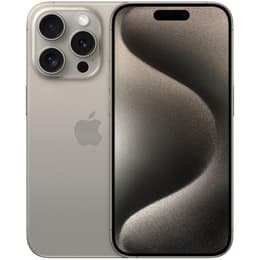
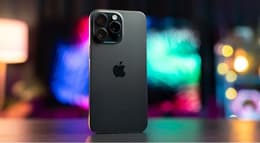
iPhone 15 Pro
iPhone 15 Pro
Starting at

Refurbished price:A$873.00

Versus A$1,849.00 new

See options

Ratings

The Google Pixel 7a, released in May 2023, and the iPhone 15 Pro, launched in September 2023, represent distinct approaches to the modern smartphone experience. While both offer capable performance and advanced camera systems, they cater to different user preferences through their respective Android and iOS operating systems, as well as their design philosophies and feature sets.

Scores

Durability

When considering the long-term usability of a device, software support and physical durability are key factors. Both devices offer robust support, though with differing timelines and repairability considerations.

  • Software Longevity: The Google Pixel 7a is guaranteed to receive operating system updates until May 2026 and security updates until May 2028. The iPhone 15 Pro, on the other hand, is officially guaranteed a minimum of five years of software and security updates from its September 2023 release, extending to at least September 2028, with Apple often providing support beyond this minimum.
  • Repairability: The Pixel 7a initially received a repairability score of 4 out of 10, later improved to 5 out of 10 after Google released service manuals, indicating a fair level of repair accessibility for some components. The iPhone 15 Pro initially scored 4 out of 10, but this was later upgraded to 7 out of 10 due to a more repair-friendly internal design and software updates that facilitate part calibration.
  • Physical Durability: The Pixel 7a features a plastic back, an aluminum frame, and Gorilla Glass 3 on the front, with an IP67 rating for dust and water resistance. The iPhone 15 Pro utilizes a more premium titanium frame, a Ceramic Shield front cover, and a textured matte glass back, offering IP68 dust and water resistance.

Release year

2022

2023

Compatible with latest Update

Yes

Yes

Operating system

Android

iOS

Foldable

No

No

Performance

The performance of a smartphone impacts everything from app responsiveness to gaming and multitasking. Both devices deliver smooth experiences for daily use, but their underlying capabilities differ.

  • Processing Power: The Pixel 7a handles everyday applications and multitasking smoothly, providing a responsive user experience. While capable, some users have noted that demanding tasks like video export can be slower compared to more powerful devices. The iPhone 15 Pro offers exceptional processing power, ensuring demanding applications, graphics-intensive games, and heavy multitasking run with remarkable fluidity and efficiency.
  • Storage and Memory: The Pixel 7a comes with 8GB of RAM and 128GB of internal storage. The iPhone 15 Pro also features 8GB of RAM but offers a wider range of storage options, including 128GB, 256GB, 512GB, and 1TB, providing more flexibility for users with extensive storage needs.
  • Battery Behavior: The Pixel 7a generally provides sufficient battery life for a full day of moderate use, though heavy usage, especially with features like always-on display, may necessitate a mid-day charge for some users. The iPhone 15 Pro typically offers reliable all-day battery life for most users, though very intensive use cases might see it requiring a top-up before the day ends.

Memory (GB)

8 GB

8 GB

Screen quality

The display is a primary interface for any smartphone, and both the Pixel 7a and iPhone 15 Pro offer high-quality viewing experiences with distinct characteristics.

  • Display Technology and Resolution: The Pixel 7a features a 6.1-inch OLED display with a resolution of 1080x2400 pixels, providing clear and vibrant visuals for everyday content consumption. The iPhone 15 Pro also has a 6.1-inch display, but it uses an LTPO Super Retina XDR OLED panel with a higher resolution of 1179x2556 pixels, resulting in slightly sharper images and text.
  • Refresh Rate and Smoothness: The Pixel 7a offers a 90Hz refresh rate, contributing to a smoother scrolling experience and more fluid animations compared to standard 60Hz displays. The iPhone 15 Pro steps this up with a 120Hz ProMotion display, which dynamically adjusts its refresh rate for even greater fluidity in motion and responsiveness, particularly noticeable in gaming and fast-paced content.
  • Brightness and Clarity: Both displays offer good brightness levels, with the Pixel 7a providing superb maximum brightness under appropriate ambient lighting conditions. The iPhone 15 Pro's display is known for its high peak brightness, making it highly visible even in bright outdoor environments.

Resolution

1080 x 2400

1179 x 2556

Screen type

OLED

LTPO Super Retina XDR OLED

Audiovisual

Both smartphones are recognized for their camera capabilities, employing different strategies to achieve impressive photo and video results.

  • Rear Camera System: The Pixel 7a features a dual-camera setup with a 64-megapixel main sensor and a 13-megapixel ultrawide lens. It excels in computational photography, producing detailed and color-accurate photos, especially in good lighting. The iPhone 15 Pro boasts a versatile triple-camera system, including a 48-megapixel main sensor, a 12-megapixel ultrawide, and a 12-megapixel 3x telephoto lens. Its main camera captures 24-megapixel photos by default, offering excellent detail and natural color reproduction.
  • Low-Light and Video Performance: The Pixel 7a delivers strong low-light photography thanks to its computational processing, and it can record video up to 4K at 60 frames per second, though low-light video can sometimes show noise. The iPhone 15 Pro offers robust low-light performance across its lenses, with excellent video recording capabilities, including ProRes video, making it a strong tool for videographers.
  • Front Camera and Audio: Both devices feature capable front-facing cameras for selfies and video calls, with the Pixel 7a having a 13-megapixel sensor and the iPhone 15 Pro a 12-megapixel sensor. Both phones also provide stereo speakers for media consumption, with the iPhone generally offering a richer audio experience.

Main camera

64 megapixels

48 megapixels

Front camera

13 megapixels

12 megapixels

Miscellaneous

Beyond core features, several practical elements contribute to the overall user experience and differentiate these two devices.

  • Connectivity and Ports: Both the Pixel 7a and iPhone 15 Pro support 5G connectivity, Wi-Fi 6E, and Bluetooth 5.3 for fast wireless communication. A notable difference is the charging and data port: the Pixel 7a uses USB-C 3.2, while the iPhone 15 Pro also adopts USB-C, offering faster data transfer speeds compared to previous iPhone models.
  • Biometrics and Unique Features: The Pixel 7a includes an in-display fingerprint sensor and face unlock. The iPhone 15 Pro relies on Face ID for secure facial recognition and introduces a customizable Action Button, which can be programmed for various functions like launching the camera or a specific app.
  • Build Materials and Handling: The Pixel 7a weighs approximately 193.5 grams and features an aluminum frame with a plastic back. The iPhone 15 Pro is slightly lighter at 187 grams, thanks to its titanium frame, which also contributes to a premium feel and enhanced durability.

Weight

212 oz

187 oz

Screen size (in)

6.1

6.1

Network

5G

5G

SIM card

Physical SIM + eSIM

Physical SIM + eSIM

Carrier compatibility

Unlocked

Unlocked

Connector

USB-C

USB-C (USB 3)

The Google Pixel 7a and iPhone 15 Pro offer distinct strengths, appealing to different user priorities. User feedback often praises the Pixel 7a for its exceptional camera performance within its segment and its clean, intuitive Android software experience. However, some users have noted that its battery life can be merely average for heavy use, and performance for very demanding tasks might not match higher-end devices.

The iPhone 15 Pro is frequently lauded for its outstanding overall performance, premium and durable build quality, and a highly versatile camera system capable of producing excellent photos and videos. Common criticisms sometimes point to its battery life, which, while generally good, may not satisfy extremely heavy users without a mid-day charge, and the base storage option might feel limited for those who capture a lot of high-resolution media.

Users prioritizing a strong, intelligent camera for everyday photography, a straightforward Android experience, and reliable daily performance will find the Google Pixel 7a well-suited to their needs. Conversely, those seeking top-tier performance for demanding applications, a highly capable and adaptable camera system with advanced video features, a premium and robust design, and extensive software support within the Apple ecosystem may lean towards the iPhone 15 Pro. Both devices are available as quality-assured refurbished options, providing an eco-friendly alternative for consumers.

See all articles

Our recent comparisons