
Compare models
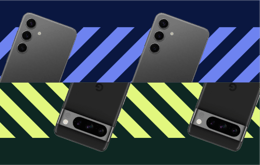
Google Pixel 7a vs Google Pixel 9 Pro
- 1-year warranty
- Free standard shipping
- Free 30-day returns
Differences at a glance
The Google Pixel 7a (2023) and the Google Pixel 9 Pro (2024) represent two distinct tiers within Google's smartphone lineup, separated by generation and target capability. While the Pixel 7a offers essential smartphone functions in a compact format, the Pixel 9 Pro introduces advanced hardware capabilities, a more sophisticated camera array, and refined physical dimensions. Both devices operate on the Android system, providing access to Google's software ecosystem, though they cater to different expectations regarding daily capability and longevity.
Available Models
Colour
Storage
Scores
Durability
When evaluating the long-term viability and physical endurance of these two devices, software support timelines and hardware robustness serve as primary considerations for daily users.
- Software Support Duration: The Pixel 9 Pro benefits from Google's extended support commitment, offering multi-year operating system updates that stretch further into the future compared to the older Pixel 7a release timeline.
- Repairability and Build: Both smartphones feature sturdy glass and metal construction designed to withstand everyday wear, though users seeking a quality-assured refurbished option can find reliable, thoroughly tested variants of both models to extend device lifecycles sustainably.
- Expected Practical Lifespan: The newer internal architecture of the Pixel 9 Pro provides additional performance headroom, helping the device maintain responsive operation over a longer span of years.
Release year
2022
2024
Operating system
Android
Android
Foldable
No
No
Performance
Day-to-day operation, multitasking, and power management differ noticeably between these two models based on their internal hardware configurations and battery capacity designs.
- Multitasking and App Responsiveness: The Pixel 9 Pro handles demanding applications, intensive multitasking, and graphical tasks smoothly with advanced processing power and generous memory capacity, whereas the Pixel 7a manages everyday messaging, web browsing, and standard media consumption efficiently.
- Battery Behavior: Battery capacities vary between the two models, meaning heavy users relying on navigation, video streaming, and continuous mobile data will experience different charging frequencies throughout a busy day.
- Storage Configurations: Both devices offer varied internal storage tiers to accommodate personal media libraries, applications, and offline files without requiring constant data offloading.
Screen quality
Visual output, panel technology, and display responsiveness shape how users interact with media, read text, and view content outdoors.
- Display Technology: Both models utilize vibrant OLED panels that deliver deep black levels and high contrast ratios, ensuring text remains sharp and colors appear distinct across various lighting conditions.
- Brightness and Outdoor Visibility: The Pixel 9 Pro features a significantly higher peak brightness level, making outdoor viewing under direct sunlight more comfortable than on the Pixel 7a screen.
- Refresh Rate and Smoothness: High refresh rate support on both devices ensures fluid scrolling through web pages and menus, contributing to a responsive touch interaction experience.
Resolution
1080 x 2400
1280x2856
Audiovisual
Photography, video recording, and audio output capabilities vary significantly, influencing how users capture memories and consume multimedia content.
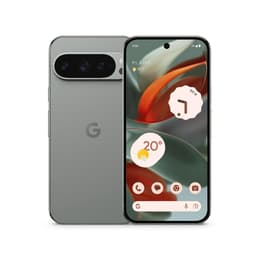
- Camera System Versatility: The Pixel 9 Pro incorporates a triple-lens setup including a dedicated telephoto zoom lens, whereas the Pixel 7a relies on a dual-lens configuration focusing on standard and ultra-wide perspectives.
- Low-Light and Video Performance: Both devices excel at processing challenging lighting conditions automatically, though the Pixel 9 Pro introduces advanced video enhancement tools and higher-resolution sensor capabilities.
- Media and Audio Output: Stereo speakers on both smartphones deliver clear audio for hands-free calls and casual video viewing, supported by sensitive microphones that isolate voice input during recordings.
Miscellaneous
Physical dimensions, connectivity standards, and daily convenience features determine how comfortably each smartphone fits into an active lifestyle.
- Size and Weight: The Pixel 7a offers a more compact form factor that fits easily into smaller pockets, while the Pixel 9 Pro provides a larger workspace for media consumption and typing.
- Connectivity Standards: Both models support modern 5G cellular networks, high-speed Wi-Fi standards, and Bluetooth pairing for wireless accessories and audio devices.
- Biometric Security: Secure authentication is handled via responsive under-display fingerprint sensors and facial recognition capabilities across both device options.
Weight
212 oz
199 oz
Screen size (in)
6.3
6.3
Network
5G
5G
SIM card
Physical SIM + eSIM
Physical SIM + eSIM
Carrier compatibility
Unlocked
Unlocked
What the community thinks
Choosing between the Google Pixel 7a and the Pixel 9 Pro depends heavily on individual daily usage patterns and hardware expectations. Users prioritizing a compact footprint, straightforward functionality, and essential smartphone tasks often find the Pixel 7a aligns well with their needs. Conversely, users prioritizing advanced photographic versatility, higher screen brightness, and extended performance headroom frequently gravitate toward the Pixel 9 Pro. Community feedback indicates that while the Pixel 7a satisfies users looking for a straightforward, reliable daily driver, the Pixel 9 Pro attracts those who demand maximum multitasking efficiency and expanded camera capabilities. Exploring a sustainable, quality-assured refurbished option allows consumers to access either model as an eco-friendly alternative that reduces electronic waste without compromising on performance standards. Ultimately, evaluating personal priorities regarding size, camera depth, and longevity will guide the most suitable choice.