
Google Pixel 7 vs iPhone 12 Pro

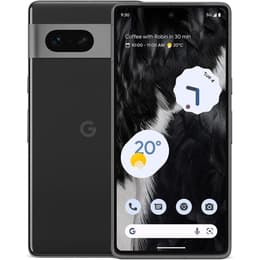
Google Pixel 7
Google Pixel 7
Starting at

Refurbished price:A$348.00

Versus A$879.00 new

See options
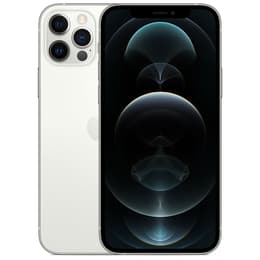
iPhone 12 Pro
iPhone 12 Pro
Starting at

Refurbished price:A$411.00

Versus A$1,119.00 new

See options

Ratings

The Google Pixel 7, released in October 2022, and the iPhone 12 Pro, launched in October 2020, represent distinct approaches to the premium smartphone experience from their respective manufacturers. While both devices offer robust performance and advanced camera systems, they differ significantly in their operating systems and design philosophies. The Pixel 7 runs on Google's Android platform, emphasizing AI-driven features and computational photography, whereas the iPhone 12 Pro operates on Apple's iOS, known for its integrated ecosystem and strong privacy focus.

Scores

Durability

When considering the longevity of these devices, several factors come into play, including their release timelines, software support, and physical repairability.

  • Release Timeline and Software Support: The iPhone 12 Pro, released in late 2020, has received consistent iOS updates, with its current operating system being iOS 26.4 as of March 2026. This indicates a strong commitment to long-term software support from Apple. The Google Pixel 7, launched two years later in October 2022, is guaranteed to receive OS and security updates until at least October 2027, providing users with a solid five years of software longevity from its release date.
  • Repairability: Both devices present a moderate level of repairability. The iPhone 12 Pro received an iFixit repairability score of 6 out of 10, with key components like the display and battery being relatively accessible, though proprietary screws and increased waterproofing can complicate repairs. The Pixel 7 also scores around 6 to 6.5 out of 10 for repairability, with screen replacements being manageable, but challenges noted for battery removal due to strong adhesive and a soldered USB-C port.
  • Expected Practical Lifespan: Given their respective software support windows and build quality, both the Pixel 7 and iPhone 12 Pro are designed to offer several years of reliable use. Users can expect continued functionality and security updates for a considerable period, making either a viable option for those seeking a device with a prolonged practical lifespan.

Release year

2022

2020

Compatible with latest Update

Yes

Yes

Foldable

No

No

Performance

The performance of a smartphone is crucial for daily tasks, from app usage to multitasking and gaming. Both the Google Pixel 7 and iPhone 12 Pro deliver capable performance, though they achieve this through different hardware and software optimizations.

  • Processor Capabilities: The Pixel 7 is powered by Google's Tensor G2 chip, designed to enhance AI and machine learning tasks, contributing to smooth app loading and efficient processing for features like computational photography. The iPhone 12 Pro features Apple's A14 Bionic chip, which was a leading processor at its release, known for its strong general performance and graphics capabilities, ensuring demanding applications and games run smoothly.
  • Storage and RAM: The Pixel 7 typically comes with 8GB of RAM and storage options of 128GB or 256GB. The iPhone 12 Pro offers 6GB of RAM and storage configurations of 128GB, 256GB, or 512GB. For most users, both devices provide ample storage and sufficient RAM for effective multitasking and app management.
  • Battery Behavior: The Pixel 7 houses a 4355 mAh battery, with real-world usage reports varying; some users experience a full day of use, while heavy usage might require a midday charge. The iPhone 12 Pro has a smaller 2815 mAh battery. While Apple claims up to 17 hours of video playback, real-world tests indicate around 9-11 hours of mixed 4G/5G usage, with gaming notably draining the battery more quickly.

Memory (GB)

8 GB

6 GB

Screen quality

The display is a primary interface for smartphone interaction, and both devices offer high-quality viewing experiences with distinct characteristics.

  • Display Technology and Resolution: The Google Pixel 7 features a 6.3-inch AMOLED display with a resolution of 1080 x 2400 pixels, resulting in a pixel density of 416 ppi. The iPhone 12 Pro comes with a 6.1-inch Super Retina XDR OLED display, offering a higher resolution of 2532 x 1170 pixels at 460 ppi. Both OLED technologies provide deep blacks and vibrant colors.
  • Brightness and Refresh Rate: The Pixel 7's display boasts a 90Hz refresh rate for smoother scrolling and animations, and can reach a peak brightness of 1400 nits, ensuring good visibility in various lighting conditions. The iPhone 12 Pro has a standard 60Hz refresh rate, which is less fluid than the Pixel 7's, but its display can achieve a typical maximum brightness of 800 nits and a peak of 1200 nits for HDR content.
  • Screen Protection: The Pixel 7 is protected by Corning Gorilla Glass Victus. The iPhone 12 Pro introduces Ceramic Shield on the front, which Apple claims offers improved drop performance, alongside a glass back.

Resolution

1080 x 2400

1170 x 2532

Screen type

AMOLED

Super Retina XDR OLED

Audiovisual

Both the Google Pixel 7 and iPhone 12 Pro are recognized for their strong camera capabilities, each leveraging different strengths to produce high-quality images and videos.

  • Camera System Configuration: The Pixel 7 features a dual-camera system with a 50MP main sensor and a 12MP ultrawide lens. The iPhone 12 Pro offers a triple 12MP camera setup, including wide, ultrawide, and telephoto lenses, along with a LiDAR scanner for improved depth sensing.
  • Photography Performance: The Pixel 7 excels in computational photography, particularly with its Night Sight mode, which produces bright and detailed low-light photos with minimal noise. Its main camera captures excellent detail and dynamic range. The iPhone 12 Pro also performs well in low-light conditions, utilizing its larger aperture and software optimizations like Deep Fusion and Night Mode. The dedicated telephoto lens on the iPhone 12 Pro provides optical zoom capabilities not present on the standard Pixel 7.
  • Video Recording Quality: The Pixel 7 supports 4K video recording at 60 frames per second across all its lenses, including the front camera, and offers good stabilization. Users report good color tone maintenance in low-light video, though some noise can be present. The iPhone 12 Pro is capable of recording Dolby Vision HDR video, a feature that enhances brightness and colors in videos, particularly in low-light scenarios, and also offers strong video stabilization.
  • Audio Quality: Both devices provide clear microphone quality for calls and recordings, and offer stereo speakers for media consumption, delivering a rich audio experience.

Main camera

50 megapixels

12 megapixels

Front camera

10.8 megapixels

12 megapixels

Miscellaneous

Beyond core performance and display, several practical elements contribute to the overall user experience and daily usability of these smartphones.

  • Connectivity Options: Both the Google Pixel 7 and iPhone 12 Pro support 5G connectivity, enabling faster mobile data speeds where available. They also include modern Wi-Fi standards (Wi-Fi 6 for iPhone 12 Pro, Wi-Fi 6E for Pixel 7) and Bluetooth for wireless accessories.
  • Port Types and Biometrics: The Pixel 7 utilizes a USB-C port for charging and data transfer, a common standard across many electronic devices. It features an under-display optical fingerprint scanner for secure unlocking. The iPhone 12 Pro uses Apple's proprietary Lightning port and relies on Face ID for biometric authentication.
  • Physical Design and Materials: The Pixel 7 has dimensions of 155.6 x 73.2 x 8.7 mm and weighs 197g, featuring Gorilla Glass Victus on both the front and back, encased in an aluminum frame. The iPhone 12 Pro is slightly more compact and lighter at 146.7 x 71.5 x 7.4 mm and 189g, with a Ceramic Shield front cover and a glass back, framed by stainless steel. Both devices carry an IP68 rating for water and dust resistance.
  • Handling Implications: The Pixel 7's slightly larger size and weight might appeal to users who prefer a more substantial feel and a larger screen for media consumption. The iPhone 12 Pro's more compact dimensions and stainless steel frame offer a dense, premium feel in hand, potentially favoring users who prioritize one-handed use and a sleeker profile.

Weight

212 oz

187 oz

Screen size (in)

6.3

6.1

SIM card

Physical SIM + eSIM

Physical SIM + eSIM

Carrier compatibility

Unlocked

Unlocked

The Google Pixel 7 and iPhone 12 Pro each offer compelling features, catering to different user preferences and priorities. User sentiment often highlights the Pixel 7's exceptional camera capabilities, particularly its computational photography and Night Sight, as a major draw. Many appreciate its clean Android experience and the integration of Google's AI features for smart assistance. Criticisms sometimes point to inconsistent battery life for heavy users and the 90Hz display, which, while smooth, isn't the highest refresh rate available.

For the iPhone 12 Pro, common praise centers on its robust iOS ecosystem, consistent performance, and the quality of its video recording, especially with Dolby Vision HDR. Users also value its premium build materials and the reliability of Face ID. Some frequent criticisms include its 60Hz display, which can feel less fluid compared to higher refresh rate screens, and battery life that might not always last a full day for intensive use, particularly with 5G enabled or during gaming.

Users prioritizing an advanced camera with strong AI integration, a pure Android experience, and a slightly larger, smoother display (90Hz) may find the Google Pixel 7 well-suited to their needs. This device is ideal for those who enjoy Google's software innovations and a more modern design aesthetic. Conversely, users who value a highly integrated ecosystem, consistent performance for demanding tasks, superior video recording capabilities, and a compact, premium build with long-term software support may lean toward the iPhone 12 Pro. It remains a strong choice for those deeply embedded in the Apple ecosystem or seeking a device known for its enduring quality.

For those looking to make an informed and sustainable choice, considering quality-assured refurbished options for either the Google Pixel 7 or iPhone 12 Pro can provide access to these capable devices while also contributing to environmental responsibility.

See all articles

Our recent comparisons