
Compare models
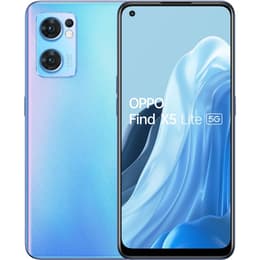
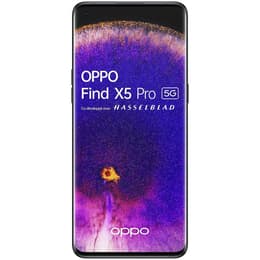
Oppo Find X5 Lite vs Oppo Find X5 Pro 5G
- 1-year warranty
- Free standard shipping
- Free 30-day returns
Differences at a glance
The Oppo Find X5 Lite (2022) and Oppo Find X5 Pro 5G (2022) represent different tiers within the same smartphone generation, catering to distinct user preferences and daily requirements. While both devices run on the Android operating system with Oppo's custom user interface, they differ significantly in their core internal capabilities, build materials, and overall positioning. Choosing between them depends on whether a user prioritizes lightweight everyday efficiency or high-end multimedia and processing capabilities.
Scores
Durability
When examining software longevity and structural durability, both devices offer standard support cycles for their release era, though their hardware builds dictate different levels of physical resilience.
- Software longevity: Both smartphones receive regular security patches and system updates, with the Pro model typically handling heavier future software updates more smoothly due to its higher processing capacity.
- Build materials: The Find X5 Pro 5G features a ceramic back and Gorilla Glass Victus protection along with an official water resistance rating, whereas the Find X5 Lite utilizes a polished composite plastic back and glass front with basic splash resistance.
- Expected lifespan: Users seeking a device that withstands demanding physical environments and long-term multi-year software shifts will find the robust construction of the Pro model well-suited to their needs.
Release year
2022
2022
Operating system
Android
Android
Foldable
No
No
Performance
System responsiveness and daily multitasking capabilities vary notably between these two options, driven by differences in internal processing hardware and memory allocation.
- App loading and multitasking: The Find X5 Pro 5G handles intensive gaming and heavy background processes effortlessly, while the Find X5 Lite manages standard messaging, web browsing, and social media tasks reliably without noticeable lag.
- Battery behavior: The Pro model includes a larger battery capacity designed to power its high-resolution screen, whereas the lighter model offers balanced power consumption that easily completes a standard day of moderate use.
- Storage capacity: Both models provide ample onboard space for apps and media, though the Pro configuration accommodates larger media files and intensive local workflows more comfortably.
Screen quality
Display technology is a major point of divergence, influencing how media, text, and outdoor content appear to the user during daily use.
- Display technology: The Find X5 Pro 5G features an advanced curved AMOLED panel with adaptive refresh rates for exceptionally smooth scrolling, while the Find X5 Lite utilizes a flat AMOLED screen with a fixed high refresh rate.
- Outdoor visibility: Peak brightness levels on the Pro variant allow for clear visibility in direct sunlight, whereas the Lite screen remains legible under typical outdoor lighting conditions.
- Resolution and clarity: The higher resolution on the Pro model delivers sharper details for high-definition video viewing, while the Lite screen offers crisp and vibrant clarity suitable for daily reading and streaming.
Resolution
1080 x 2400
1440 x3216
Audiovisual
Imaging hardware and audio output define the multimedia experience, offering distinct capabilities for photography, video recording, and sound reproduction.
- Camera systems: The Find X5 Pro 5G incorporates specialized image processing hardware and advanced stabilization across its main and ultra-wide lenses, whereas the Find X5 Lite provides a capable multi-lens setup focused on straightforward everyday snapshots.
- Video and low-light performance: The Pro model captures sharp details in dark environments and produces stable professional-grade video, while the Lite version handles daytime video and casual low-light recording adequately.
- Audio output: Stereo speakers on the Pro variant deliver a fuller sound profile for media consumption, while the single speaker or standard setup on the Lite model handles calls and casual listening clearly.
Miscellaneous
Practical everyday features, physical dimensions, and connectivity options dictate how each phone fits into a user's daily routine and travel habits.
- Handling and dimensions: The Find X5 Lite is noticeably lighter and thinner, making it comfortable for single-handed use, while the Find X5 Pro 5G has a heavier, more substantial feel in the hand due to its premium ceramic chassis.
- Connectivity standards: Both models support modern 5G networks, fast Wi-Fi standards, and Bluetooth, ensuring reliable wireless pairing with accessories.
- Security sensors: Both devices feature responsive under-display fingerprint scanners and secure facial recognition options for quick device unlocking.
Weight
173 oz
218 oz
Screen size (in)
6.43
6,7
Network
5G
5G
SIM card
Dual Physical SIM
Physical SIM + eSIM
Carrier compatibility
Unlocked
Unlocked
What the community thinks
Community feedback from users on platforms like Reddit highlights distinct preferences for each device based on everyday use cases. Owners of the Oppo Find X5 Lite frequently praise its lightweight design, comfortable grip, and reliable battery life for standard daily routines, though some note that heavy gaming can push its processing limits. Conversely, users of the Oppo Find X5 Pro 5G frequently highlight the vibrant display quality, rapid charging speeds, and capable low-light photography, while occasionally mentioning that the heavier ceramic body adds noticeable weight to pockets and bags.
Users prioritizing a lightweight device for daily communication, messaging, and casual media consumption will find the Oppo Find X5 Lite well-suited to their needs. Meanwhile, users prioritizing advanced photography, high-end multimedia performance, and a durable ceramic build may lean toward the Oppo Find X5 Pro 5G. For buyers exploring sustainable shopping habits, choosing a quality-assured refurbished option provides an eco-friendly alternative that extends the lifecycle of these electronics without compromising on performance standards. Ultimately, evaluating personal habits regarding media use and physical handling will guide the most appropriate selection.