

Compare models
Google Pixel 7 vs Google Pixel 9 Pro
- 1-year warranty
- Free standard shipping
- Free 30-day returns
Differences at a glance
The Google Pixel 7 (2022) and Google Pixel 9 Pro (2024) represent different generations of Google's smartphone development, showcasing distinct evolutionary steps in hardware design and everyday capability. While the Pixel 7 established a refined baseline for everyday mobile computing with its balanced feature set, the Pixel 9 Pro introduces updated system architecture, expanded memory allocation, and refined imaging hardware. Both devices operate on the Android platform, providing a clean software interface, though their launch timelines influence their overall active support windows. Understanding how these hardware and generation differences translate to daily routines helps users select the device that best fits their specific workflow.
Available Models
Colour
Storage
Scores
Durability
When evaluating the long-term viability and physical endurance of these devices, several generational updates and support commitments shape their expected lifespan in daily use.
- Software Support Window: The Pixel 9 Pro benefits from Google's extended update commitment, providing multi-year operating system and security patches that stretch significantly further than the support timeline designated for the older Pixel 7.
- Build Materials and Durability: Both models incorporate sturdy glass and metal construction with robust water resistance ratings, though the Pixel 9 Pro utilizes updated protective glass panels designed to improve scratch and drop resilience over time.
- Repairability and Lifecycle: Component availability and modular internal layouts allow both handsets to be serviced effectively, making a quality-assured refurbished option a sustainable choice that extends the active operating years of either device.
Release year
2022
2024
Foldable
No
No
Performance
System responsiveness, multitasking behavior, and energy consumption vary between these two models due to their generational hardware differences and memory configurations.
- Multitasking and App Handling: The Pixel 9 Pro features a larger pool of system memory that allows demanding applications and multiple browser tabs to remain active simultaneously without frequent reloading, whereas the Pixel 7 handles standard daily tasks efficiently with occasional limitations during heavy workloads.
- Thermal Efficiency and Power Management: Modernized internal architecture on the Pixel 9 Pro manages heat dissipation more effectively during intensive tasks like navigation or gaming, contributing to stable day-to-day battery endurance.
- Storage and File Management: Both devices offer ample internal capacity options for storing media and documents, though newer flash storage standards on the Pixel 9 Pro enable quicker file transfers and faster application installation times.
Screen quality
Display technology has advanced noticeably between these two releases, impacting outdoor readability, visual clarity, and motion smoothness during daily media consumption.
- Panel Technology and Brightness: The Pixel 9 Pro incorporates a high-brightness OLED panel capable of reaching significantly higher peak luminance levels than the Pixel 7, ensuring clear visibility under direct sunlight.
- Refresh Rate and Motion: While the Pixel 7 utilizes a standard ninety-hertz refresh rate for fluid scrolling, the Pixel 9 Pro adopts an advanced variable refresh rate technology that scales down during static viewing to conserve battery and ramps up for smooth animations.
- Resolution and Size Options: The Pixel 9 Pro offers a denser pixel layout and finer edge-to-edge proportions, providing a slightly more immersive viewing area for reading and video playback compared to the traditional footprint of the Pixel 7.
Resolution
1080 x 2400
1280x2856
Audiovisual
Imaging hardware and auxiliary multimedia components differ significantly, offering varied capabilities for photography, video recording, and audio output.
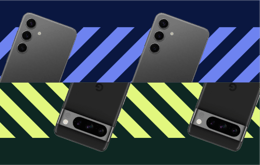
- Lens Configuration and Zoom: The Pixel 7 relies on a dual-camera setup covering wide and ultra-wide perspectives, while the Pixel 9 Pro adds a dedicated telephoto lens with optical magnification for capturing distant subjects without losing detail.
- Low-Light and Video Processing: Advanced sensor hardware and updated computational algorithms on the Pixel 9 Pro yield cleaner low-light photographs and sharper video output, though the Pixel 7 remains capable for casual everyday snapshots.
- Audio and Speaker Output: Both smartphones deliver stereo sound through integrated speaker arrays suitable for hands-free calls and casual media viewing, complemented by clear microphone fidelity for voice recordings.
Miscellaneous
Physical dimensions, connectivity standards, and daily handling characteristics establish distinct ergonomic profiles for each smartphone.
- Dimensions and Weight: The Pixel 7 offers a familiar, rounded hand-feel with a distinct camera visor design, whereas the Pixel 9 Pro features flatter side rails and a modernized camera enclosure that alters weight distribution slightly in the hand.
- Connectivity Standards: Both devices support modern fifth-generation mobile networks and rapid wireless pairing protocols, with the Pixel 9 Pro incorporating updated wireless standards for more stable peripheral connections.
- Security and Biometrics: Optical under-display fingerprint sensors and facial recognition options are present on both models, providing secure and rapid authentication methods for daily device access.
Weight
212 oz
199 oz
Screen size (in)
6.3
6.3
SIM card
Physical SIM + eSIM
Physical SIM + eSIM
Carrier compatibility
Unlocked
Unlocked
What the community thinks
User feedback from online communities highlights distinct patterns of satisfaction and common concerns for both devices. Owners of the Pixel 7 frequently praise its reliable daily performance, clean software environment, and comfortable ergonomics, though some note that battery endurance can decline under heavy mobile data usage. Conversely, users of the Pixel 9 Pro often emphasize the exceptional display brightness, versatile zoom capabilities, and smooth multitasking performance, while occasional discussions focus on the physical weight and the prominent camera enclosure design.
Users prioritizing expanded software longevity, advanced photographic zoom capabilities, and maximum screen brightness will find the Pixel 9 Pro well-suited to their needs. On the other hand, users seeking a straightforward, reliable smartphone experience for standard communication, browsing, and media tasks will find the Pixel 7 meets their requirements effectively. Selecting either model as an eco-friendly alternative through a quality-assured refurbished option allows consumers to align their technology choices with sustainable purchasing habits while meeting their specific functional needs.