
Compare models

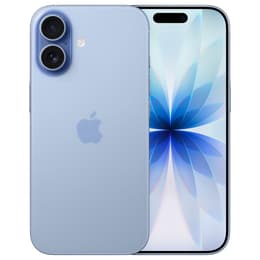
Google Pixel 7 Pro vs iPhone 17

  • 1-year warranty
  • Free standard shipping
  • Free 30-day returns
Google Pixel 7 Pro
Starting at

Refurbished price:A$384.00

Versus A$1,219.00 new

See options
iPhone 17
Starting at

Refurbished price:A$1,229.00

Versus A$1,549.00 new

See options

Differences at a glance

The Google Pixel 7 Pro (2022) and the Apple iPhone 17 (2025) represent two distinct approaches to high-end smartphone design, operating systems, and user ecosystems. While the Pixel runs on Android and features a distinct triple-camera layout, the iPhone relies on iOS and brings an updated aluminum build paired with a high-refresh-rate panel. These differences in software philosophy and hardware age create two separate user experiences.

Available Models

Colour

Storage

Scores

Durability

Lifecycle expectations differ due to release timelines, though both platforms offer structured software support.

  • Release timeline: The Google Pixel 7 Pro launched in late 2022, whereas the iPhone 17 debuted in late 2025.
  • Software support: Both devices receive multi-year operating system updates, with the newer iPhone model extending its support window further into the future simply due to its later release date.
  • Practical lifespan: Choosing a quality-assured refurbished option provides a sustainable choice that extends device usability while keeping hardware fully functional for daily requirements.

Release year

2022

2025

Compatible with latest Update

Yes

Yes

Foldable

No

No

Performance

System responsiveness and everyday utility vary depending on hardware generation and resource management.

  • Multitasking and storage: Both handsets handle demanding applications and background processes smoothly, offering configuration choices starting from generous baseline storage capacities up to higher tiers.
  • Battery behavior: Typical daily usage sees both phones comfortably through a standard day, though battery degradation over time means older devices may require a midday recharge under heavy use.
  • System fluidity: Current-generation internal hardware ensures rapid app loading and fluid navigation across all installed software without stutter.

Screen quality

Visual output differs in panel dimensions, curvature, and brightness delivery.

  • Display technology: Both models utilize vibrant OLED panels with deep black levels and sharp pixel density for clear text and media consumption.
  • Refresh rate and brightness: High refresh rate support ensures fluid scrolling, while peak outdoor brightness levels allow readability under direct sunlight.
  • Viewing area: The Pixel 7 Pro provides a larger curved viewing surface, whereas the iPhone 17 utilizes a flat 6.3-inch layout.

Audiovisual

Imaging hardware and software processing cater to distinct photography preferences.

  • Rear camera systems: The Pixel 7 Pro features a dedicated optical zoom lens alongside main and ultra-wide sensors, while the iPhone 17 employs a dual-sensor arrangement with high-resolution main and ultra-wide capabilities.
  • Video and audio: Both devices capture stable, detailed video footage and deliver clear audio through integrated stereo speaker arrays.
  • Processing approach: Google relies on computational photography for detailed low-light shots, while Apple emphasizes balanced exposure and smooth video transitions.

Front camera

10.8 megapixels

18 megapixels

Miscellaneous

Physical dimensions and connectivity standards influence daily handling and accessories.

  • Connectivity: Both smartphones support modern 5G networks, high-speed Wi-Fi standards, and Bluetooth pairing.
  • Ports and security: The iPhone uses a USB-C port alongside face recognition, while the Pixel pairs a USB-C connection with an under-display fingerprint sensor and face unlock.
  • Physical build: The Pixel 7 Pro is slightly heavier with curved edges, compared to the lighter, flat-edged chassis of the iPhone 17.

Weight

212 oz

177 oz

Screen size (in)

67

6.3

SIM card

Physical SIM + eSIM

Physical SIM + eSIM

Carrier compatibility

Unlocked

Unlocked

Connector

USB-C

USB-C

What the community thinks

User discussions across community forums highlight distinct preferences for each device. Owners of the Google Pixel 7 Pro frequently praise its versatile telephoto zoom lens, clean software interface, and expansive display. At the same time, some users note that its physical size can feel heavy during prolonged one-handed use, and battery longevity on older units can require mindful management. Conversely, iPhone 17 users frequently commend its responsive system fluidity, refined build quality, and bright outdoor screen. Common criticisms for the Apple device often center around ecosystem restrictions and the lack of dedicated optical zoom hardware compared to Pro-tier alternatives.

Users prioritizing an Android interface with dedicated long-range zoom capabilities will find the Google Pixel 7 Pro well-suited to their workflow. Meanwhile, users preferring the iOS ecosystem, a lighter flat display format, and recent internal hardware will lean toward the iPhone 17. Selecting a quality-assured refurbished option serves as an eco-friendly alternative for conscious consumers looking to balance personal tech needs with sustainability.