iPhone 16 vs Motorola Edge 30 Fusion

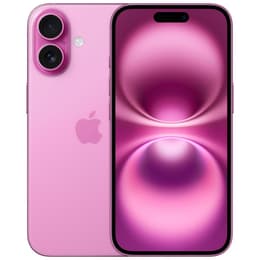
iPhone 16
iPhone 16
Starting at

Refurbished price:A$952.00

Versus A$1,399.00 new

See options
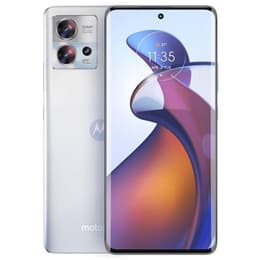
Motorola Edge 30 Fusion
Starting at

Refurbished price:A$257.46

Versus A$1,352.00 new

See options

The iPhone 16, released in September 2024, and the Motorola Edge 30 Fusion, launched in September 2022, represent distinct approaches to smartphone design and functionality. While the iPhone 16 operates on Apple's iOS, the Edge 30 Fusion runs on Android, offering different user experiences. The primary differentiators between these two devices lie in their release timelines, which impact their core specifications, software longevity, and overall performance capabilities.

Scores

Durability

The expected practical lifespan of a smartphone is significantly influenced by its release date and the manufacturer's software support policy.

  • Release Timeline: The iPhone 16, being a 2024 release, benefits from a more recent hardware foundation and a longer projected period of software updates compared to the Motorola Edge 30 Fusion, which was released in 2022.
  • OS Support: Apple typically provides iOS updates for its devices for five to seven years from their release. The iPhone 16, launching with iOS 18, is expected to receive updates well into the future, potentially until 2030 or beyond. Motorola generally offers two to three major Android OS updates for its Edge series, meaning the Edge 30 Fusion, which launched with Android 12, may see fewer future OS upgrades.
  • Durability Features: The iPhone 16 features Ceramic Shield front cover and an IP68 rating for dust and water resistance, indicating a high level of protection against environmental elements. The Motorola Edge 30 Fusion has Corning Gorilla Glass 5 for screen protection and an IP52 rating, offering splash and dust resistance.

Release year

2024

2022

Compatible with latest Update

Yes

Yes

Foldable

No

No

Performance

Performance in smartphones is crucial for smooth daily operation, from app usage to demanding tasks like gaming and multitasking.

  • Processor Capabilities: The iPhone 16 is equipped with Apple's A18 chip, a current-generation processor optimized for speed and efficiency, including enhanced capabilities for artificial intelligence tasks. This allows for very fluid navigation, quick app loading, and efficient handling of intensive applications. The Motorola Edge 30 Fusion utilizes the Qualcomm Snapdragon 888+ processor, which was a flagship-tier chip at its 2022 release, providing strong performance for everyday use and gaming.
  • Multitasking and Responsiveness: The iPhone 16, with its advanced processor and optimized iOS, offers seamless multitasking and a highly responsive user experience. Users report that apps open quickly and switching between them is smooth. The Motorola Edge 30 Fusion also provides a smooth experience for daily tasks and multitasking, though its older processor may show a performance gap in highly demanding scenarios compared to the newer iPhone.
  • Battery Behavior: The iPhone 16 features a 3561 mAh battery, with users reporting it can last a full day with moderate to heavy use. The Motorola Edge 30 Fusion has a 4400 mAh battery, which generally provides a full day of use for light to moderate users, though heavy usage might require recharging before the day ends.

Memory (GB)

8 GB

8 GB

Screen quality

The display is a primary interface for smartphone interaction, and its quality significantly impacts the user experience.

  • Display Technology and Resolution: The iPhone 16 features a 6.1-inch Super Retina XDR OLED display with a resolution of 2556x1179 pixels, resulting in a pixel density of approximately 460 ppi. This OLED technology delivers deep blacks and vibrant colors. The Motorola Edge 30 Fusion sports a 6.55-inch pOLED display with a 1080x2400 (FHD+) resolution and a pixel density of 402 ppi.
  • Brightness and Clarity: The iPhone 16's display offers a typical maximum brightness of 1000 nits, with peak HDR brightness reaching 1600 nits and outdoor peak brightness up to 2000 nits, ensuring excellent visibility in various lighting conditions. The Motorola Edge 30 Fusion provides a peak brightness of up to 1100 cd/m2, which contributes to clear visuals.
  • Refresh Rate: The iPhone 16 maintains a 60 Hz refresh rate, which provides a smooth experience for most users, though some may find it less fluid compared to higher refresh rate displays. The Motorola Edge 30 Fusion offers a higher 144 Hz refresh rate, contributing to a very smooth scrolling and gaming experience.

Resolution

1179 x 2556

1080 x 2400

Screen type

Super Retina XDR OLED

P-OLED

Audiovisual

Camera capabilities are a key consideration for many smartphone users, influencing the quality of photos and videos captured.

  • Rear Camera System: The iPhone 16 features an advanced dual-camera system with a 48MP Fusion main camera and a 12MP ultrawide lens. The 48MP main camera supports super-high-resolution photos and offers 2x optical-quality zoom. The Motorola Edge 30 Fusion has a triple rear camera setup, including a 50MP primary lens with optical image stabilization (OIS), a 13MP ultrawide lens, and a 2MP depth sensor.
  • Photography Performance: The iPhone 16's camera system is praised for improved image quality, particularly in low-light conditions, and features like Photographic Styles for real-time adjustments. The Motorola Edge 30 Fusion's main camera performs well in general conditions, though some users note it can struggle with skin tones in certain situations.
  • Video Recording: Both devices offer strong video recording capabilities. The iPhone 16 supports 4K Dolby Vision video recording at various frame rates and includes features like Cinematic mode and Action mode. The Motorola Edge 30 Fusion can record 4K and 8K videos, with OIS on the main sensor aiding stability.

Main camera

48 megapixels

50 megapixels

Front camera

12 megapixels

32 megapixels

Miscellaneous

Beyond core features, several practical elements contribute to the overall usability and convenience of a smartphone.

  • Connectivity: Both devices support 5G connectivity for fast mobile data. The iPhone 16 includes Wi-Fi 7 and Bluetooth 5.3. The Motorola Edge 30 Fusion supports Wi-Fi 6 and Bluetooth 5.2.
  • Port Types and Sensors: The iPhone 16 uses a USB-C port for charging and data transfer and relies on Face ID for secure authentication. It also introduces a new Camera Control button for quick camera access and functions. The Motorola Edge 30 Fusion features a USB Type-C port and an in-display fingerprint sensor for biometric security.
  • Design and Handling: The iPhone 16 has an aluminum design with a color-infused glass back and Ceramic Shield front, weighing 170 grams. Its rounded edges contribute to a comfortable feel in hand. The Motorola Edge 30 Fusion features an aluminum frame and a glass back (Corning Gorilla Glass 5), with a slim profile and a weight of 175 grams, offering a comfortable grip.

Weight

170 oz

168 oz

Screen size (in)

6.1

6,55

Network

5G

5G

SIM card

Physical SIM + eSIM

Dual Physical SIM

Carrier compatibility

Unlocked

Unlocked

The iPhone 16 and Motorola Edge 30 Fusion cater to different user priorities, largely due to their distinct operating systems and release timelines. Users frequently praise the iPhone 16 for its strong performance, improved camera capabilities, and extended battery life. Its seamless display and stylish design are also commonly highlighted. However, some users note the 60Hz display on the base model as a potential drawback, especially when compared to devices with higher refresh rates.

The Motorola Edge 30 Fusion is often commended for its vibrant pOLED display with a high refresh rate and its capable performance for daily tasks. Its design, featuring a glass back and aluminum frame, also receives positive remarks for its premium feel. Criticisms sometimes point to its battery life for heavy users and the camera's performance in specific scenarios.

Users prioritizing a device with the latest software support, a highly optimized ecosystem, and advanced computational photography will find the iPhone 16 well-suited to their needs. Its robust build and long-term update commitment make it a compelling choice for those seeking longevity. Conversely, users who value a high refresh rate display, a more open Android ecosystem, and a device that offers strong performance for its segment may lean toward the Motorola Edge 30 Fusion. Both devices offer a quality-assured refurbished option, providing an eco-friendly alternative for consumers looking to make a sustainable choice.

See all articles

Our recent comparisons