
Smartphones
Compare models
Differences at a glance
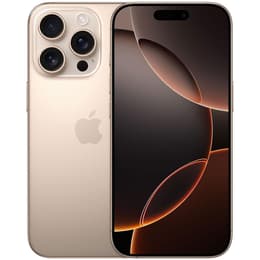
The Google Pixel 7 Pro, released in October 2022, and the Apple iPhone 16 Pro, launched in September 2024, represent distinct approaches to high-end smartphone design and functionality. While both devices offer premium experiences, the Pixel 7 Pro operates on the Android ecosystem, emphasizing Google's AI and computational photography, whereas the iPhone 16 Pro runs on iOS, focusing on integrated hardware-software performance and Apple's ecosystem. Key differentiators include their operating systems, release timelines, and core philosophies regarding user interaction and feature sets.
Colour
Storage
When considering the longevity of these devices, their respective release dates and software support policies are important factors. The Pixel 7 Pro, having been released in late 2022, has a different update trajectory compared to the iPhone 16 Pro, which launched two years later.
Release year
Compatible with latest Update
Foldable
The performance of a smartphone is largely dictated by its internal processing capabilities and how efficiently it manages power for daily tasks and demanding applications. Both the Pixel 7 Pro and iPhone 16 Pro are designed to handle a wide range of user activities, from casual browsing to intensive gaming and content creation.
The display is a primary interface for smartphone interaction, and both the Pixel 7 Pro and iPhone 16 Pro offer high-quality viewing experiences, though with some differences in specifications and practical implications.
Resolution
Screen type
Both the Google Pixel 7 Pro and the iPhone 16 Pro are recognized for their advanced camera systems, each leveraging different strengths in hardware and software to deliver high-quality photographic and videographic results.
Main camera
Front camera
Beyond core performance and camera capabilities, several other features contribute to the overall user experience and practical utility of a smartphone. These include connectivity, physical design, and unique sensors.
Weight
Screen size (in)
SIM card
Carrier compatibility
Connector
The Google Pixel 7 Pro and the iPhone 16 Pro cater to users with differing priorities, reflecting their respective ecosystems and design philosophies. The Pixel 7 Pro, with its release in late 2022, has been praised by users for its exceptional camera performance, particularly its computational photography capabilities that deliver detailed and vibrant images. Users often highlight its clean Android experience and the integration of Google's AI features as significant advantages. However, some common criticisms have included its battery life, especially under heavy use or high screen brightness, and a shorter software support window compared to its Apple counterpart.
The iPhone 16 Pro, a more recent release from September 2024, has garnered positive feedback for its enhanced performance, longer battery life, and significant camera upgrades, including a more capable ultrawide lens and 5x optical zoom across both Pro models. Its larger display with thinner bezels and the introduction of the Camera Control button have also been well-received. User sentiment often points to the seamless integration within the Apple ecosystem and consistent performance as key strengths. Some users, however, have expressed mixed feelings about Apple's AI implementation, finding it less mature than some competitors.
Users prioritizing a device with a strong emphasis on AI-driven photography, a pure Android experience, and a slightly larger display might find the Google Pixel 7 Pro well-suited to their needs. Conversely, those who value extended software longevity, top-tier raw performance, a highly integrated ecosystem, and advanced video capabilities may lean towards the iPhone 16 Pro. Both devices offer robust features, and for those considering an eco-friendly alternative, quality-assured refurbished options for both models can provide a sustainable choice.