
Compare models

Google Pixel 6a vs iPhone 16 Pro

  • 1-year warranty
  • Free standard shipping
  • Free 30-day returns
Google Pixel 6a
Starting at

Refurbished price:A$298.00

Versus A$569.00 new

See options
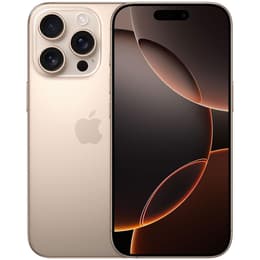
iPhone 16 Pro
Starting at

Refurbished price:A$993.00

Versus A$1,799.00 new

See options

Differences at a glance

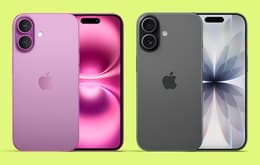
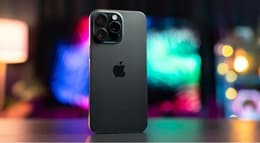
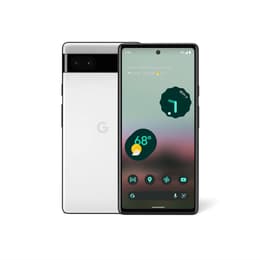
The Google Pixel 6a (2022) and the Apple iPhone 16 Pro (2024) represent different device classes, release timelines, and distinct operating ecosystems. While the Pixel 6a runs on Android and focuses on streamlined everyday essentials, the iPhone 16 Pro operates on iOS and delivers advanced processing power alongside a versatile multi-lens camera array. These devices cater to distinct user preferences and software environments.

Available Models

Colour

Storage

Scores

Durability

When evaluating hardware longevity and support timelines, both smartphones handle software updates differently based on their respective release schedules and manufacturer commitments.

  • Software Support Window: The iPhone 16 Pro benefits from a newer release date and a longer expected software update lifecycle, whereas the Pixel 6a has a shorter remaining official update window due to its earlier launch.
  • Repairability and Build: Both devices feature sealed glass-and-metal constructions that typically require professional assistance for complex internal component replacements, though both maintain standard service network availability.
  • Expected Lifespan: Users can anticipate reliable multi-year functionality from both models, though the iPhone 16 Pro offers extended headroom for future software demands.

Release year

2022

2024

Compatible with latest Update

Yes

Yes

Foldable

No

No

Performance

System responsiveness, multitasking capability, and daily energy efficiency vary across these models due to differences in internal architecture and optimization.

  • Storage Configurations: Both devices begin at 128GB of baseline storage capacity, with higher tiers available for users who store extensive media libraries locally.
  • Everyday Speed: The iPhone 16 Pro handles demanding 3D gaming, intensive multitasking, and rapid app switching effortlessly, while the Pixel 6a manages routine messaging, web browsing, and casual apps smoothly.
  • Battery Behavior: The Pixel 6a provides sufficient daily power for standard communication tasks, whereas the iPhone 16 Pro incorporates power-efficient hardware that sustains heavy use throughout a full day.

Screen quality

Display characteristics differ significantly in size, panel technology, and motion smoothness during daily media consumption and outdoor viewing.

  • Panel Technology and Size: The Pixel 6a features a compact 6.1-inch OLED screen, while the iPhone 16 Pro utilizes a slightly larger 6.3-inch OLED display with narrow borders.
  • Refresh Rate and Motion: The iPhone 16 Pro supports a high adaptive refresh rate for smoother scrolling and animations, whereas the Pixel 6a relies on a standard 60Hz refresh rate.
  • Outdoor Brightness: Both panels deliver sharp resolution and deep contrast, though the iPhone 16 Pro reaches higher peak brightness levels for clear visibility under direct sunlight.

Resolution

1080 x 2400

1206 x 2622

Screen type

OLED

LTPO Super Retina XDR OLED

Audiovisual

Imaging hardware and audio reproduction capabilities cater to different creative needs and media playback preferences.

  • Camera Systems: The Pixel 6a utilizes a dual-rear camera setup focused on reliable point-and-shoot photography, while the iPhone 16 Pro features a triple-lens system with optical zoom flexibility and high-resolution sensor options.
  • Video and Audio: The iPhone 16 Pro provides advanced cinematic video recording formats and studio-quality microphones, whereas both devices offer clear stereo speakers for casual media playback.
  • Low-Light Performance: Both models utilize computational processing to preserve detail in challenging lighting conditions, though the newer iPhone hardware captures greater dynamic range.

Main camera

12.2 megapixels

48 megapixels

Front camera

8 megapixels

12 megapixels

Miscellaneous

Practical daily usability elements, physical dimensions, and connectivity standards shape how each device fits into travel and work routines.

  • Build and Handling: The Pixel 6a offers a lighter plastic-backed construction, whereas the iPhone 16 Pro uses a textured titanium frame that adds slight heft and a solid tactile feel.
  • Port Type: The iPhone 16 Pro adopts the universal USB-C standard, matching the Pixel 6a's charging port connection.
  • Connectivity: Both models support 5G cellular networks, Wi-Fi connectivity, and secure biometric authentication methods such as face recognition or fingerprint sensors.

Weight

250 oz

199 oz

Screen size (in)

6.1

6.3

SIM card

Physical SIM + eSIM

Physical SIM + eSIM

Carrier compatibility

Unlocked

Unlocked

What the community thinks

User feedback from online communities highlights distinct preferences for each smartphone. Pixel 6a users frequently praise its straightforward software experience, comfortable one-handed size, and reliable point-and-shoot camera capabilities. Conversely, iPhone 16 Pro owners often emphasize the smoothness of the display, robust build materials, and strong processing headroom. Common criticisms for the Pixel 6a involve its standard refresh rate and moderate battery life under heavy loads, while some users note that the iPhone 16 Pro carries a heavier physical weight.

Users prioritizing a lightweight device, clean Android software, and simple everyday communication will find the Google Pixel 6a well-suited to their needs. On the other hand, users prioritizing advanced photographic flexibility, high refresh rate displays, and long-term software sustainability may lean toward the Apple iPhone 16 Pro. For those seeking a sustainable choice, choosing a quality-assured refurbished option from Back Market provides an eco-friendly alternative that extends device life cycles without sacrificing reliability.