
Compare models

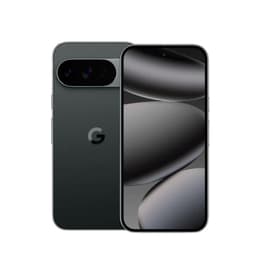
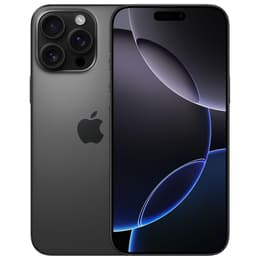
Google Pixel 10 vs iPhone 16 Pro Max

  • 1-year warranty
  • Free standard shipping
  • Free 30-day returns
Google Pixel 10
Starting at

Refurbished price:A$944.00

Versus A$1,349.00 new

See options
iPhone 16 Pro Max
Starting at

Refurbished price:A$1,260.00

Versus A$2,149.00 new

See options

Differences at a glance

The Google Pixel 10 (2025) and the Apple iPhone 16 Pro Max (2024) represent two distinct approaches to high-end smartphone design, ecosystem integration, and daily functionality. While the Pixel 10 runs on Android 16 with a heavy emphasis on intelligent software features, the iPhone 16 Pro Max operates on iOS and prioritizes a large-format multimedia experience with a robust build. The primary differentiators between these two devices lie in their operating systems, screen dimensions, and hardware configurations, catering to users with very different daily device workflows.

Available Models

Colour

Storage (GB)

Scores

Durability

Both devices are built to handle years of continuous daily use, though they approach long-term software support through different update lifecycles and repair frameworks.

  • Software longevity and updates: The Google Pixel 10 benefits from an extended software commitment providing up to 7 major operating system updates, while the iPhone 16 Pro Max relies on Apple's traditional multi-year support window.
  • Repairability and physical endurance: Both models feature durable exterior chassis designs with high-level dust and water resistance ratings, alongside structured repair programs that simplify component replacements.
  • Expected practical lifespan: Thanks to current-generation internal components and ample memory configurations, both handsets maintain steady performance expectations over multi-year ownership periods.

Release year

2025

2024

Foldable

No

No

Performance

Handling everyday tasks, demanding applications, and background multitasking is managed smoothly by both smartphones, though their internal processing architectures differ.

  • App loading and multitasking responsiveness: Both devices switch between resource-heavy applications and open tabs seamlessly, supported by generous baseline memory allocations.
  • Battery behavior and power management: Each handset easily navigates a full day of standard mixed usage, utilizing power-efficient system design to minimize unexpected battery drain during intensive tasks.
  • Storage configurations: Users can select from multiple tiered storage capacities to accommodate large media libraries, offline documents, and high-resolution video files.

Screen quality

Visual output and panel responsiveness differ noticeably based on form factor design and display engineering choices implemented by each manufacturer.

  • Display technology and clarity: Both models utilize vibrant organic light-emitting diode panels that deliver deep contrast levels, sharp text rendering, and wide viewing angles.
  • Outdoor visibility and brightness: High peak brightness capabilities ensure that on-screen content remains legible even under direct sunlight or bright outdoor environments.
  • Refresh rate and scrolling smoothness: Adaptive refresh rate technology scales dynamically to match current on-screen activity, ensuring fluid scrolling and responsive touch interaction.

Resolution

1080x2424

1320 x 2868

Screen type

OLED

LTPO Super Retina XDR OLED

Audiovisual

Capturing photographs and recording video involve versatile multi-lens hardware arrays paired with advanced image processing software.

  • Everyday and low-light photography: Main and ultra-wide sensor configurations capture balanced details and accurate colors across various lighting conditions, aided by computational photography algorithms.
  • Video recording features: Both devices support high-resolution video capture with advanced stabilization tools, making them reliable options for recording stable footage on the move.
  • Audio and media consumption: Integrated stereo speaker setups deliver clear audio output for hands-free calls, podcasts, and casual video playback without requiring external speakers.

Miscellaneous

Physical dimensions, weight distribution, and connectivity standards shape the everyday handling characteristics of each device.

  • Build materials and physical dimensions: The iPhone 16 Pro Max features a larger 6.9-inch footprint enclosed in a lightweight metal frame, whereas the Pixel 10 offers a more compact 6.3-inch form factor for easier single-handed reach.
  • Connectivity and charging standards: Both smartphones support modern wireless standards, fast charging protocols, and universal USB-C physical ports for wired data transfers and power delivery.
  • Biometric security features: Secure authentication is handled via responsive facial recognition systems or integrated biometric fingerprint sensors depending on the specific model architecture.

Weight

204 oz

227 oz

Screen size (in)

6.3

6.9

Network

5G

5G

SIM card

Physical SIM + eSIM

eSIM

Carrier compatibility

Unlocked

Unlocked

What the community thinks

User feedback from online communities highlights distinct preference patterns for each device. Owners of the Google Pixel 10 frequently praise its integrated software capabilities, comfortable handling size, and long-term operating system support window. Meanwhile, users of the iPhone 16 Pro Max often emphasize appreciation for its expansive display workspace, robust build quality, and reliable battery endurance during heavy media consumption. Deciding between the two ultimately depends on individual software ecosystem preferences and ergonomic priorities.

Users who prioritize a compact form factor, deeply integrated intelligent assistance features, and extended software support may find the Pixel 10 well-suited to their daily routine. Conversely, users who prefer a large-format display canvas for media viewing alongside a structured application ecosystem will likely gravitate toward the iPhone 16 Pro Max. For consumers exploring sustainable technology choices, a quality-assured refurbished option provides an eco-friendly alternative that reduces electronic waste while delivering fully tested hardware performance.

Our recent comparisons