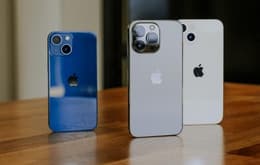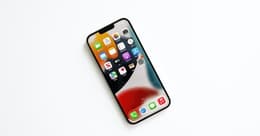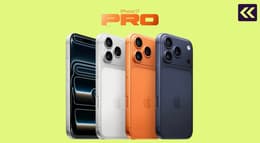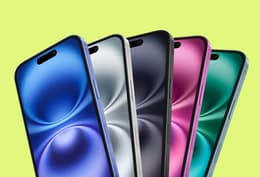

iPhone 13 vs iPhone 16 Pro Max

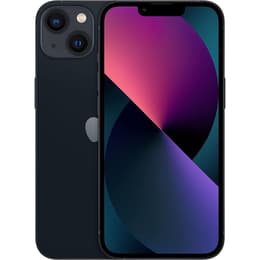
iPhone 13
iPhone 13
Starting at

Refurbished price:A$415.00

Versus A$1,099.00 new

See options
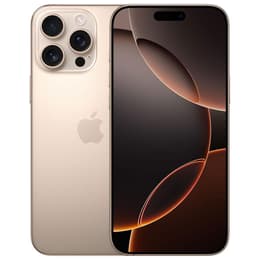
iPhone 16 Pro Max
iPhone 16 Pro Max
Starting at

Refurbished price:A$1,309.00

Versus A$2,149.00 new

See options

Ratings

The iPhone 13, released in September 2021, and the iPhone 16 Pro Max, launched in September 2024, represent different generations within Apple's smartphone lineup. While both operate on the iOS platform, the iPhone 16 Pro Max introduces significant advancements in display technology, camera capabilities, and overall performance, reflecting three years of technological evolution.

Scores

Durability

The expected practical lifespan of these devices varies primarily due to their release dates and the duration of software support.

  • Software Longevity: The iPhone 13, released in 2021, is expected to receive major iOS updates until at least 2027, with security updates potentially extending into 2028 or beyond. The iPhone 16 Pro Max, being a 2024 model, will benefit from a considerably longer period of major iOS updates, likely extending its full feature support well into the 2030s.
  • Physical Durability: Both models feature a durable design with Ceramic Shield front covers, offering enhanced drop protection. The iPhone 16 Pro Max, however, incorporates a titanium frame, which is designed to be strong yet lightweight, potentially offering a different level of resilience compared to the iPhone 13's aluminum frame.
  • Repairability: The iPhone 13 received a repairability score of 5/10 from iFixit, noting modular components but challenges with proprietary software links for certain repairs. The iPhone 16 Pro Max (and iPhone 15 Pro Max as a proxy) has seen improvements in repairability, with iFixit provisionally awarding the iPhone 16 models a 7/10 score, partly due to easier access to internal components and improved software calibration for repairs.

Release year

2021

2024

Compatible with latest Update

Yes

Yes

Foldable

No

No

Performance

Performance differences between these two models are substantial, reflecting the generational gap in processing power and efficiency.

  • Everyday Responsiveness: The iPhone 16 Pro Max offers a significantly more responsive experience, handling demanding applications, complex multitasking, and graphics-intensive games with greater fluidity and speed. The iPhone 13 remains capable for daily tasks but may exhibit slower loading times and less seamless transitions with newer, more resource-intensive applications.
  • Multitasking Capabilities: The iPhone 16 Pro Max is equipped with more advanced internal components, allowing for more efficient background process management and smoother switching between multiple open applications without performance degradation.
  • Gaming and Heavy Usage: Users engaging in extensive mobile gaming or professional-grade tasks like video editing on their device will find the iPhone 16 Pro Max delivers a superior experience due to its enhanced processing power and improved thermal management, which helps maintain peak performance over longer periods.

Memory (GB)

4 GB

8 GB

Screen quality

The display experience differs significantly between the iPhone 13 and the iPhone 16 Pro Max, particularly in size, refresh rate, and brightness.

  • Display Technology and Size: The iPhone 13 features a 6.1-inch Super Retina XDR OLED display. The iPhone 16 Pro Max boasts a larger 6.9-inch Super Retina XDR OLED display, providing a more expansive viewing area.
  • Refresh Rate: The iPhone 13 has a standard 60Hz refresh rate. In contrast, the iPhone 16 Pro Max incorporates ProMotion technology, offering an adaptive refresh rate up to 120Hz, which results in noticeably smoother scrolling, more fluid animations, and a more responsive touch experience.
  • Brightness and Clarity: Both displays offer vibrant colors and deep blacks characteristic of OLED technology. However, the iPhone 16 Pro Max provides higher peak brightness levels, enhancing visibility in bright outdoor conditions and improving HDR content viewing.

Resolution

1170 x 2532

1320 x 2868

Screen type

Super Retina XDR OLED

LTPO Super Retina XDR OLED

Audiovisual

The camera systems of the iPhone 13 and iPhone 16 Pro Max show considerable evolution, especially in versatility and advanced features.

  • Main Camera System: The iPhone 13 features a dual 12MP camera system with Wide and Ultra Wide lenses. The iPhone 16 Pro Max significantly upgrades this with a more advanced multi-lens system, including a 48MP main camera, a 48MP Ultra Wide camera, and a 5x telephoto lens, offering greater detail capture and optical zoom capabilities.
  • Low-Light Performance and Features: While the iPhone 13 offers Night mode, the iPhone 16 Pro Max provides enhanced low-light photography with larger sensors and more advanced computational photography, resulting in brighter, clearer images with reduced noise. It also introduces features like a faster quad-pixel sensor for improved low-light performance and macro photography.
  • Video Recording: Both devices support 4K video recording. The iPhone 16 Pro Max extends video capabilities with features like 4K120 fps video recording in Dolby Vision, ProRes video recording, and spatial video capture, offering more options for professional-grade video creation.

Main camera

12 megapixels

48 megapixels

Front camera

12 megapixels

12 megapixels

Miscellaneous

Beyond core features, several practical elements differentiate the iPhone 13 and iPhone 16 Pro Max.

  • Connectivity: The iPhone 13 supports 5G and Wi-Fi 6. The iPhone 16 Pro Max features newer connectivity standards, including an upgraded 5G modem and Wi-Fi 7 support, offering potentially faster and more reliable wireless connections.
  • Ports and Biometrics: The iPhone 13 uses the Lightning port for charging and data transfer. The iPhone 16 Pro Max has transitioned to a USB-C port, which offers faster data transfer speeds and broader compatibility with accessories. Both devices utilize Face ID for secure authentication.
  • Physical Design and Handling: The iPhone 13 has a 6.1-inch display and an aluminum frame. The iPhone 16 Pro Max, with its larger 6.9-inch display and titanium frame, is a physically larger and slightly heavier device, which impacts one-handed use and pocketability.

Weight

173 oz

227 oz

Screen size (in)

6,1

6.9

Network

5G

5G

SIM card

Physical SIM + eSIM

Physical SIM + eSIM

Carrier compatibility

Unlocked

Unlocked

Connector

Lightning

USB-C (USB 3)

The iPhone 13 and iPhone 16 Pro Max cater to different user needs and expectations, largely due to the significant technological advancements over their respective release cycles.

Users prioritizing a more compact form factor, reliable performance for everyday tasks, and a capable camera system will find the iPhone 13 a suitable option. It continues to receive software updates, ensuring a secure and functional experience for several more years. Common praise for the iPhone 13 often highlights its balanced size and consistent performance for general use. Some users, however, note its 60Hz display as a point of comparison to newer models.

Conversely, the iPhone 16 Pro Max is designed for users who demand the latest in mobile technology. Its larger, high-refresh-rate display, advanced multi-lens camera system with enhanced low-light capabilities and professional video features, and superior processing power make it ideal for content creators, mobile gamers, and professionals requiring peak performance. Users frequently commend its expansive screen and photographic versatility. Potential considerations for some might include its larger physical size and weight.

Ultimately, the choice depends on individual priorities. Those seeking a device with the longest possible software support, cutting-edge camera technology, and the most fluid user experience for demanding applications will lean towards the iPhone 16 Pro Max. For users with more moderate requirements who value a slightly smaller device and proven reliability, the iPhone 13 remains a strong contender, especially when considering quality-assured refurbished options as an eco-friendly alternative.
See all articles

Our recent comparisons