
Compare models
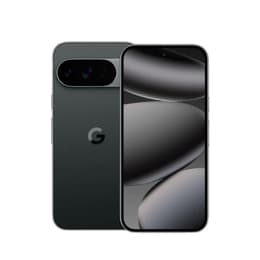
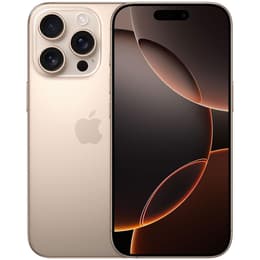
Google Pixel 10 vs iPhone 16 Pro
- 1-year warranty
- Free standard shipping
- Free 30-day returns
Differences at a glance
The Google Pixel 10 (2025) and Apple iPhone 16 Pro (2024) represent advanced tiers of modern smartphone engineering, running on distinct operating systems with tailored software philosophies. While the Google Pixel 10 utilizes Android with deep artificial intelligence integration, the iPhone 16 Pro runs iOS within a tightly unified ecosystem. Both models feature similarly sized 6.3-inch displays and target users seeking reliable daily performance, yet they differ significantly in their approach to hardware design, camera layouts, and long-term software support.
Available Models
Colour
Storage
Scores
Durability
When comparing physical longevity and software support timelines, both devices are built to remain functional and secure for many years of daily use, though their manufacturer-backed update commitments differ in duration.
- Software Support: The Google Pixel 10 benefits from an extended multi-year commitment of major operating system upgrades, whereas the iPhone 16 Pro follows traditional flagship support cycles extending across numerous years.
- Repairability and Build: Both smartphones utilize robust frame materials and reinforced glass, though component availability and structured repair pathways vary between the Android and iOS ecosystems.
- Expected Practical Lifespan: Thanks to efficient internal architectures and generous memory configurations, both models maintain adequate processing headroom to prevent sluggishness during multi-year ownership.
Release year
2025
2024
Foldable
No
No
Performance
System responsiveness and everyday multitasking depend heavily on how each device manages intensive applications, background tasks, and thermal output during heavy workloads.
- App Loading and Multitasking: Both devices handle demanding games, split-screen workflows, and resource-heavy software smoothly, aided by generous random access memory configurations and high-speed internal storage options.
- Battery Behavior: The Google Pixel 10 incorporates a large battery capacity designed for extended daily use, while the iPhone 16 Pro relies on energy-efficient processing to stretch battery endurance across a full day of mixed tasks.
- Thermal Efficiency: Modern internal cooling layouts on both models help prevent overheating during prolonged navigation sessions or extended video recording periods.
Screen quality
Display technology on both devices prioritizes high visual clarity, fluid motion, and outdoor legibility, utilizing advanced panel architectures to enhance the viewing experience.
- Display Technology: Both models feature bright OLED panels that deliver deep contrast levels, sharp text rendering, and vivid color reproduction suitable for streaming media and reading.
- Refresh Rate and Smoothness: High refresh rate support ensures that scrolling through web pages, navigating menus, and playing supported games appear fluid and responsive.
- Outdoor Brightness: High peak luminance levels allow both screens to remain clearly legible even under direct sunlight or bright ambient lighting conditions.
Resolution
1080x2424
1206 x 2622
Screen type
OLED
LTPO Super Retina XDR OLED
Audiovisual
Media creation capabilities differ significantly through hardware choices, sensor configurations, and software processing algorithms tailored for photography and video recording.
- Camera Systems: The Google Pixel 10 employs a versatile triple-lens array featuring optical zoom capabilities paired with computational photography, while the iPhone 16 Pro utilizes a dedicated multi-lens setup alongside physical shortcut controls for rapid capture.
- Video Recording: Both phones support high-resolution recording formats with advanced stabilization features, making them well-suited for capturing stable footage while in motion.
- Audio Output: Stereo speaker systems on both devices deliver balanced sound quality for hands-free calls, media playback, and casual video viewing.
Miscellaneous
Practical daily usability is shaped by physical dimensions, connectivity standards, and biometric security features integrated into each handset's chassis.
- Connectivity and Ports: Both models support current-generation 5G networks, fast wireless charging standards, and universal USB-C connectivity for wired data transfer and power delivery.
- Physical Handling: Weighing around the same general class with comparable screen sizes, both phones offer comfortable one-handed handling, though subtle differences in width and corner curvature affect grip.
- Security Sensors: Biometric authentication is handled via secure facial recognition and integrated fingerprint sensing options depending on the model's hardware design.
Weight
204 oz
199 oz
Screen size (in)
6.3
6.3
Network
5G
5G
SIM card
Physical SIM + eSIM
Physical SIM + eSIM
Carrier compatibility
Unlocked
Unlocked
What the community thinks
User feedback from online communities highlights distinct preferences for each device based on ecosystem integration and personal utility. Owners of the Google Pixel 10 frequently praise its natural photo rendering, deep conversational assistant integration, and long software update window. Conversely, users of the iPhone 16 Pro often emphasize its refined video recording tools, consistent ecosystem synchronization, and sturdy titanium build quality. Common criticisms for the Pixel involve occasional warmth during intensive tasks, while iPhone users sometimes note limitations associated with closed file management systems.
Users prioritizing deep customization, flexible artificial intelligence tools, and extensive Android software updates will find the Google Pixel 10 well-suited to their workflow. Meanwhile, users who value tightly integrated device ecosystems, advanced video production tools, and long-term resale stability may lean toward the iPhone 16 Pro. For buyers exploring sustainable purchasing alternatives, choosing a quality-assured refurbished option through platforms like Back Market provides an eco-friendly path to owning either of these capable smartphones without compromising on performance or reliability.