
Compare models
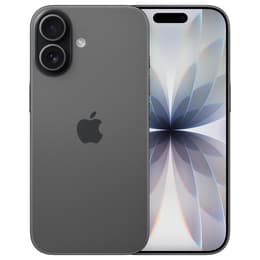
Google Pixel 10 Pro vs iPhone 17
- 1-year warranty
- Free standard shipping
- Free 30-day returns
Differences at a glance
The Google Pixel 10 Pro (2025) and the Apple iPhone 17 (2025) represent leading smartphone options from their respective software ecosystems. While both devices occupy a similar flagship tier with high-end capabilities, they differ notably in operating systems, design aesthetics, and integration with everyday digital tools.
The Google Pixel 10 Pro runs on Android with deep artificial intelligence integration, whereas the iPhone 17 operates on iOS with a focus on seamless hardware-software synergy.
Available Models
Colour
Storage (GB)
Scores
Durability
When examining longevity, both smartphones are engineered to remain functional and secure for many years of daily use, though their update paths reflect distinct manufacturer policies.
- Software Support: Both brands provide multi-year operating system updates and security patches, ensuring the devices stay current with modern apps and security standards throughout their lifespan.
- Build Integrity: Each model features durable glass and metal structures paired with high-level water and dust resistance ratings, protecting internal components from accidental spills and everyday drops.
- Repairability: Both manufacturers offer official repair channels and modular replacement parts, contributing to a reliable practical lifespan that makes quality-assured refurbished options a sustainable choice for eco-conscious consumers.
Release year
2025
2025
Operating system
Android
iOS
Foldable
No
No
Performance
Handling daily tasks, intensive multitasking, and demanding mobile games, both devices deliver fluid responsiveness backed by efficient internal architecture and ample system memory.
- System Responsiveness: Apps open instantly, scrolling remains seamless across interfaces, and resource-heavy tasks like video editing or gaming run without noticeable stutter or thermal throttling.
- Memory and Multitasking: Generous RAM allocations allow background applications to remain active without frequently reloading, ensuring smooth transitions when switching between productivity and entertainment apps.
- Battery Behavior: Both units comfortably manage a full day of standard mixed usage involving web browsing, messaging, and media streaming, with fast-charging capabilities to minimize downtime.
Screen quality
Visual immersion is a priority for both devices, utilizing advanced display panels that deliver crisp text, rich contrast, and high peak brightness levels.
- Display Technology: Both incorporate high-resolution organic light-emitting diode panels with deep blacks and vibrant color reproduction, making them well-suited for watching movies or viewing photos.
- Outdoor Visibility: Exceptional peak brightness levels allow screen content to remain clearly legible even under direct sunlight or bright outdoor environments.
- Refresh Rate: Adaptive refresh rates scaling up to high frequencies ensure that fast-paced scrolling through web pages and documents looks fluid and natural.
Audiovisual
Photography and video recording suites on both handsets are designed to capture detailed memories in diverse lighting conditions with minimal user effort.
- Lens Versatility: Multi-lens rear camera arrays include wide and ultra-wide capabilities, allowing users to switch easily between sweeping landscape shots and close-up framing.
- Low-Light Performance: Advanced image processing helps preserve shadow detail and control noise when shooting in dimly lit environments or during evening outings.
- Video and Audio: High-resolution video recording is complemented by crisp stabilization features and clear microphone capture, ensuring that home videos and voice calls sound natural.
Miscellaneous
Practical daily usability is shaped by connectivity standards, physical dimensions, and ergonomic design choices that impact how the devices feel in hand.
- Connectivity: Both models support modern fifth-generation cellular networks, rapid wireless internet standards, and accurate multi-frequency positioning systems for reliable navigation.
- Physical Handling: Slim profiles and balanced weight distribution ensure comfortable one-handed use, while tactile side buttons provide positive physical feedback.
- Biometric Security: Secure authentication methods, including facial recognition and integrated display fingerprint sensors, allow quick and safe device unlocking.
Weight
207 oz
177 oz
Screen size (in)
6.3
6.3
Network
5G
5G
SIM card
Physical SIM + eSIM
Physical SIM + eSIM
Carrier compatibility
Unlocked
Unlocked
What the community thinks
User feedback from online communities highlights strong appreciation for the reliable daily performance, vibrant displays, and capable cameras found on both smartphones. Common discussions often center on software preferences, with users praising Android flexibility on one side and iOS simplicity on the other. Some users note that intensive gaming can cause slight warmth on the chassis of both models, though this rarely impacts overall system stability.
Users who prioritize deep customization, advanced artificial intelligence assistance, and flexible file management will find the Google Pixel 10 Pro well-suited to their needs. Conversely, users who value seamless ecosystem integration with other desktop and tablet devices often lean toward the iPhone 17. For buyers seeking a sustainable path, choosing either model as a quality-assured refurbished option provides an eco-friendly alternative that reduces electronic waste without sacrificing modern technological performance.