
Compare models
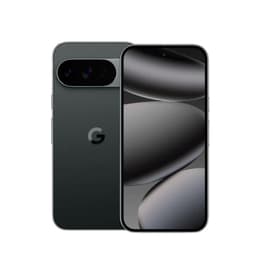
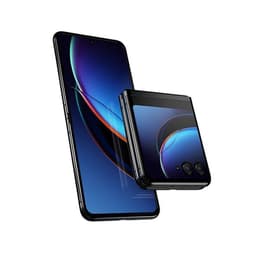
Google Pixel 10 Pro XL vs Motorola Razr 40 Ultra
- 1-year warranty
- Free standard shipping
- Free 30-day returns
Differences at a glance
The Google Pixel 10 Pro XL (2025) and the Motorola Razr 40 Ultra (2023) represent two entirely different approaches to modern smartphone design, contrasting a traditional slate flagship with a folding clamshell form factor. While the Pixel prioritizes classic slab ergonomics, expansive screen estate, and deeply integrated system intelligence, the Razr offers a pocket-friendly folding build headlined by a large exterior cover screen. Both devices run on the Android operating system, though they cater to distinct mechanical and user preferences right out of the box.
Available Models
Colour
Storage (GB)
Scores
Durability
When examining longevity and structural upkeep, these two devices display notable differences due to their release timelines and mechanical designs.
- Release timeline and software support: The Google Pixel 10 Pro XL launched in late 2025 with Android 16 pre-installed, backed by multi-year software updates. The Motorola Razr 40 Ultra debuted earlier in 2023 with Android 13, meaning its active update window spans an earlier generation of software cycles.
- Repairability and physical durability: Traditional slate devices like the Pixel generally feature straightforward rigid frames and high water-resistance ratings. In contrast, folding phones like the Razr incorporate complex hinge mechanisms and flexible inner screens that require careful handling over extended daily use.
- Expected lifespan: Users seeking maximum software longevity and a simpler structural layout will find the newer Pixel well-positioned for long-term ownership, whereas folding device owners prioritize the compact folding format despite its intricate moving parts.
Release year
2025
2023
Performance
Underneath the surface, both smartphones handle daily workloads adeptly, though their hardware configurations and thermal behaviors diverge during intensive tasks.
- Multitasking and memory: The Google Pixel 10 Pro XL is equipped with generous system memory capacity, ensuring seamless background app management and smooth transitions. The Motorola Razr 40 Ultra manages daily tasks, web browsing, and media streaming smoothly, though heavier multitasking may utilize its smaller memory buffer faster.
- Battery behavior: The Pixel features a higher-capacity battery designed to sustain extended periods of mixed usage. The Razr's compact folding chassis houses a smaller battery cell, which means frequent users may need a midday top-up during heavier usage days.
- System responsiveness: Both platforms deliver fluid everyday navigation, app launching, and responsive touch feedback without noticeable stutter during standard workflows.
Screen quality
Display engineering is a major point of divergence, separating a large fixed panel from a flexible folding screen architecture.
- Display technology: The Google Pixel 10 Pro XL utilizes a large, rigid LTPO OLED panel that provides deep contrast levels and consistent color accuracy. The Motorola Razr 40 Ultra employs a flexible folding pOLED main screen paired with a large, functional outer cover display for checking notifications without opening the device.
- Brightness and outdoor visibility: The Pixel offers high peak brightness figures that maintain clear legibility under direct sunlight. The Razr's panels deliver vibrant colors indoors, though direct outdoor glare can require manual brightness adjustments.
- Refresh rate and smoothness: Both devices support high refresh rates, ensuring fluid scrolling through feeds, web pages, and user interface menus.
Audiovisual
Imaging capabilities and media consumption hardware cater to different photography habits and entertainment styles.
- Camera systems: The Pixel 10 Pro XL features a versatile triple-lens rear arrangement, including dedicated optical zoom capabilities and advanced computational processing for consistent detail. The Razr 40 Ultra relies on a dual-lens primary setup that benefits from the folding design, allowing users to prop the phone up independently for stable photos and self-portraits.
- Video and audio output: Both models record stable high-definition video with clear stereo microphone pickup. Media playback through built-in speakers provides balanced sound output suitable for casual video viewing and hands-free calls.
- Low-light performance: The Pixel utilizes sophisticated software algorithms to brighten dark environments effectively, while the Razr handles standard evening shots adequately within its sensor limits.
Miscellaneous
Practical physical traits, connectivity standards, and daily handling characteristics define how each phone fits into a user's routine.
- Build and dimensions: The Pixel 10 Pro XL adopts a standard large-slate footprint with a solid metal and glass finish. The Razr 40 Ultra folds neatly in half to take up significantly less vertical space in a pocket or small bag.
- Biometrics and security: Both phones offer rapid biometric authentication options, combining secure facial recognition with reliable fingerprint sensors for quick unlocking.
- Connectivity: Modern 5G connectivity, rapid Wi-Fi standards, and Bluetooth support are present on both models, ensuring fast wireless accessory pairing and network speeds.
Screen size (in)
6.8
6,9
Network
5G
5G
SIM card
Physical SIM + eSIM
Physical SIM
Carrier compatibility
Unlocked
Unlocked
What the community thinks
Deciding between the Google Pixel 10 Pro XL and the Motorola Razr 40 Ultra depends heavily on whether physical form factor or traditional flagship capabilities take priority. Community discussions frequently praise the Pixel for its robust camera output, sustained software update commitment, and reliable battery endurance. Conversely, users often highlight the Razr for its innovative folding design, pocket-friendly footprint, and the convenience of its exterior cover display.
Users prioritizing traditional screen stability, maximum battery longevity, and advanced photographic zoom will find the Pixel 10 Pro XL well-suited to their needs. Meanwhile, users prioritizing a compact pocket size, unique folding ergonomics, and novel ways to frame photos may lean toward the Motorola Razr 40 Ultra. For shoppers looking at sustainable choices, exploring a quality-assured refurbished option provides an eco-friendly alternative to purchasing new. Evaluating these core practical differences ensures a well-informed decision that aligns with daily habits.