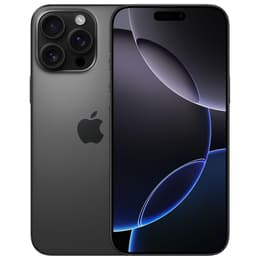

Compare models

Google Pixel 10 Pro XL vs iPhone 16 Pro Max

  • 1-year warranty
  • Free standard shipping
  • Free 30-day returns
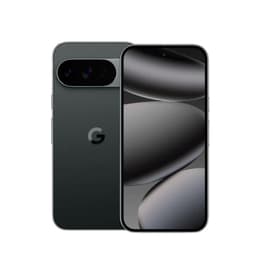
Google Pixel 10 Pro XL
Starting at

Refurbished price:A$899.00

Versus A$1,434.00 new

See options
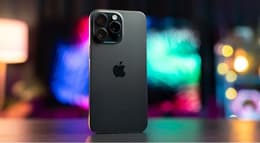
iPhone 16 Pro Max
Starting at

Refurbished price:A$1,260.00

Versus A$2,149.00 new

See options

Differences at a glance

The Google Pixel 10 Pro XL (2025) and the iPhone 16 Pro Max (2024) represent top-tier options within the large-format smartphone market, bringing distinct approaches to hardware and software integration. While both devices cater to users seeking expansive screens and advanced capabilities, they operate on different software ecosystems, running Android and iOS respectively. These smartphones differ primarily in their interface philosophy, multitasking implementation, and photographic output styles.

Available Models

Colour

Storage (GB)

Scores

Durability

Both devices are built for long-term daily use, offering robust update schedules and durable materials designed to withstand everyday wear and tear.

  • Software support timelines: Google provides 7 years of full operating system and security updates, while Apple delivers a similarly long multi-year update window that ensures extended software longevity.
  • Build resilience: Each model incorporates high-grade glass panels and reinforced metallic frames paired with formal water and dust resistance ratings to protect against accidental spills and drops.
  • Repair infrastructure: Both manufacturers support modular component replacements through authorized channels, helping extend the practical operating lifespan of each device over multiple years of ownership.

Release year

2025

2024

Foldable

No

No

Performance

Performance capabilities across both models deliver fluid operation for everyday tasks, heavy multitasking, and demanding application usage.

  • Multitasking and memory: Generous system memory allocations ensure that background apps remain active and transition smoothly without stuttering during intense workflows.
  • System responsiveness: Custom internal hardware optimizes application loading times, fluid user interface navigation, and reliable thermal management during extended gaming or video editing sessions.
  • Storage configurations: Multiple spacious capacity tiers accommodate large photo libraries, downloaded media files, and offline application data without running into space constraints.

Screen quality

Large, high-resolution organic display panels on both smartphones deliver sharp text clarity, deep contrast levels, and vibrant color reproduction.

  • Panel technology and refresh rates: Adaptive refresh rate capabilities scale smoothly up to 120Hz, ensuring seamless scrolling and responsive touch interactions during everyday navigation.
  • Outdoor visibility: High peak brightness thresholds allow content to remain easily legible even under direct sunlight or bright outdoor lighting conditions.
  • Viewing immersion: Minimal bezels surrounding expansive screens provide an immersive media consumption experience for streaming videos, viewing photos, and reading documents.

Resolution

1344x2992

1320 x 2868

Audiovisual

Advanced multi-lens camera systems on both devices capture detailed imagery and stable video across a variety of lighting environments.

  • Photography performance: High-resolution primary, ultra-wide, and telephoto lenses handle diverse framing needs, delivering sharp low-light shots and crisp distant subjects through optical zoom capabilities.
  • Video recording: Smooth stabilization features, high frame-rate options, and clear microphone arrays make both models well-equipped for capturing high-definition video and crisp audio.
  • Media playback: Stereo speaker configurations produce balanced audio output suitable for hands-free calls, casual music listening, and video playback.

Miscellaneous

Physical dimensions and connectivity standards shape how each smartphone integrates into a user's daily routine and accessory ecosystem.

  • Connectivity standards: Support for rapid cellular data networks, advanced wireless protocols, and modern Bluetooth specifications ensures stable connections for accessories and internet access.
  • Physical dimensions: Large form factors and substantial weights reflect their expansive screen sizes, requiring two-handed use for comfortable, extended handling.
  • Biometric security: Secure face recognition and integrated fingerprint sensors offer fast, reliable authentication methods for unlocking the device and authorizing secure transactions.

Weight

232 oz

227 oz

Screen size (in)

6.8

6.9

Network

5G

5G

SIM card

Physical SIM + eSIM

eSIM

Carrier compatibility

Unlocked

Unlocked

What the community thinks

User feedback for the Google Pixel 10 Pro XL frequently highlights its intuitive artificial intelligence integrations, clean software interface, and versatile camera processing. Conversely, users often praise the iPhone 16 Pro Max for its robust ecosystem connectivity, reliable battery longevity under heavy use, and powerful video recording tools. Some common criticisms across both models involve their large physical dimensions and heavier weights, which can feel demanding during one-handed operation.

Users prioritizing deep customization, flexible photo editing tools, and Google's software ecosystem will find the Pixel 10 Pro XL well-suited to their daily routines. Meanwhile, users embedded in Apple's device network who value streamlined cross-device sharing and sustained processing efficiency may lean toward the iPhone 16 Pro Max. Choosing between these devices ultimately depends on software preference and workflow habits. Opting for a quality-assured refurbished option provides a sustainable choice that reduces environmental impact while offering fully tested hardware reliability.


Our recent comparisons