
Compare models
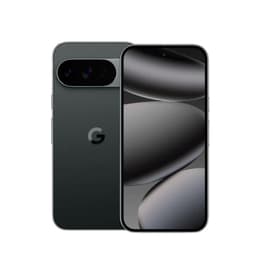
Google Pixel 10 Pro XL vs iPhone 16 Plus
- 1-year warranty
- Free standard shipping
- Free 30-day returns
Differences at a glance
The Google Pixel 10 Pro XL (2025) and the Apple iPhone 16 Plus (2024) are large-screen smartphones designed for users who want expansive displays and extended daily usage. While both devices offer high-end functionality and generous screen real estate, they differ significantly in their operating systems, hardware configurations, and ecosystem integrations. Choosing between them often comes down to personal preference for Android versus iOS, alongside specific hardware priorities.
Available Models
Colour
Storage (GB)
Scores
Durability
Both devices are built for long-term ownership, though they approach software maintenance and physical durability through different manufacturing standards.
- Software update timeline: Google provides multi-year operating system and security updates for the Pixel line, matching Apple's long-standing tradition of supporting devices with software patches for many years.
- Repairability and build: Both models utilize robust aluminum frames and reinforced glass fronts, though repair accessibility varies depending on regional service networks and component availability.
- Expected lifespan: High-capacity internal batteries and current-generation processing hardware ensure both models remain functionally viable for daily tasks over several years of continuous use.
Release year
2025
2024
Foldable
No
No
Performance
Handling daily apps, multitasking, and demanding games is smooth on both smartphones thanks to optimized system architectures and generous memory allocation.
- Multitasking capacity: The Pixel 10 Pro XL includes substantial random access memory for heavy background task management, while the iPhone 16 Plus relies on tight hardware and software integration to keep transitions fluid.
- Battery behavior: Both units house large energy cells designed to comfortably survive a full day of mixed use, supported by efficient power management features.
- Storage configurations: Users can select from multiple internal storage tiers to accommodate large photo libraries, offline media, and application files.
Screen quality
Large display panels on both phones deliver crisp visuals, deep contrast levels, and smooth scrolling for media consumption and reading.
- Display technology: The Pixel 10 Pro XL features an advanced organic light-emitting diode panel with high pixel density, while the iPhone 16 Plus utilizes a vibrant Super Retina XDR screen.
- Outdoor visibility: High peak brightness capabilities on both screens allow for clear legibility under direct sunlight.
- Refresh rate smoothness: The Pixel 10 Pro XL supports a dynamic high refresh rate up to 120Hz for fluid motion, whereas the iPhone 16 Plus employs a standard refresh rate.
Resolution
1344x2992
1290 x 2796
Audiovisual
Photography and video capture systems on these devices cater to both casual snappers and mobile content creators seeking reliable imaging tools.
- Lens configurations: The Pixel 10 Pro XL equips a versatile triple-lens rear array including a dedicated telephoto zoom, while the iPhone 16 Plus relies on a dual-lens setup with integrated macro capabilities.
- Video recording: Both smartphones capture stabilized, high-resolution video with clear audio reproduction from built-in microphone arrays.
- Media playback: Stereo speaker setups on each device deliver balanced sound output for hands-free calls, podcasts, and video viewing.
Miscellaneous
Connectivity standards and physical handling characteristics define the day-to-day ergonomic experience of using these large-screen devices.
- Biometric security: The Pixel 10 Pro XL offers facial recognition alongside an under-display fingerprint scanner, while the iPhone 16 Plus relies exclusively on advanced facial scanning technology.
- Physical dimensions: Both phones occupy a substantial footprint in the hand and pocket, with minor variations in weight and thickness.
- Connectivity ports: Universal USB-C ports handle wired charging and data transfers on both models, supplemented by fast 5G cellular connectivity and modern Wi-Fi standards.
Weight
232 oz
199 oz
Screen size (in)
6.8
6.7
Network
5G
5G
SIM card
Physical SIM + eSIM
Physical SIM + eSIM
Carrier compatibility
Unlocked
Unlocked
What the community thinks
Community discussions and user feedback indicate that the Google Pixel 10 Pro XL earns praise for its versatile zoom photography, high refresh rate fluidity, and deep integration of artificial intelligence features. Reviewers frequently note its larger physical footprint and heavier weight as minor trade-offs for the expansive screen space. Meanwhile, users often highlight the iPhone 16 Plus for its dependable battery efficiency, straightforward interface, and seamless operation within the broader Apple ecosystem. Common critiques for the Apple model center on its standard screen refresh rate compared to competing devices in a similar class.
Users prioritizing deep customization, flexible multi-lens photography, and high refresh rate displays may prefer the Google Pixel 10 Pro XL. Conversely, users who value streamlined software ecosystems, straightforward daily reliability, and long battery endurance will find the iPhone 16 Plus well-suited to their needs. For those exploring a quality-assured refurbished option as an eco-friendly alternative, Back Market offers both devices inspected to strict performance standards.