
Compare models
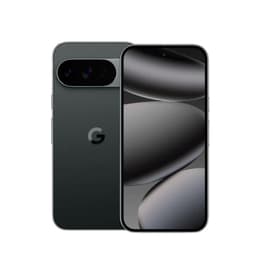
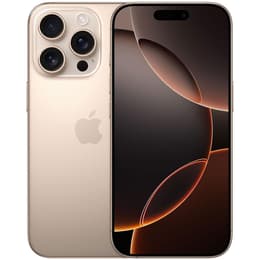
Google Pixel 10 Pro XL vs iPhone 16 Pro
- 1-year warranty
- Free standard shipping
- Free 30-day returns
Differences at a glance
The Google Pixel 10 Pro XL (2025) and the Apple iPhone 16 Pro (2024) represent top-tier smartphone design from leading technology ecosystems. While the Pixel device runs on Android and offers a larger screen footprint, Apple's model relies on iOS within a more compact frame. Both devices target users seeking high-end functionality, advanced computational tools, and long-term reliability.
Available Models
Colour
Storage (GB)
Scores
Durability
Both flagships offer extended support windows designed to keep software secure and functional for years, though their exact timelines and hardware build philosophies differ.
- Software Support: Google provides long-term operating system updates for approximately seven years, matching Apple's traditional multi-year support window for its pro lineup.
- Build and Repairability: Both models utilize durable glass and metal composite frames with high water and dust resistance ratings, though repair complexity remains typical for modern tightly sealed electronics.
- Expected Lifespan: Robust internal components and heavy memory allocations ensure both devices handle evolving software demands smoothly over extended periods of daily use.
Release year
2025
2024
Foldable
No
No
Performance
System responsiveness and handling of intensive tasks vary slightly due to underlying hardware configurations and operating system optimizations.
- Multitasking and Memory: The Pixel 10 Pro XL features extensive system memory supporting numerous background applications simultaneously, while the iPhone 16 Pro relies on deep operating system integration for smooth multitasking efficiency.
- Everyday Speed: Both devices load demanding apps instantly, render web pages without stutter, and maintain fluid navigation across home screens and menus.
- Battery Behavior: The Pixel's larger physical chassis accommodates a higher-capacity battery for extended daily usage, whereas the iPhone optimizes energy draw tightly to match full-day endurance profiles.
Screen quality
Visual output differs primarily in physical dimensions and panel brightness profiles rather than baseline clarity or smoothness.
- Display Technology: Both models feature advanced organic light-emitting diode panels capable of deep contrast ratios, true blacks, and dynamic refresh rates scaling up to 120 hertz for smooth scrolling.
- Outdoor Visibility: High peak luminance capabilities on both screens ensure content remains legible under direct sunlight or bright ambient lighting conditions.
- Viewing Area: The Pixel 10 Pro XL offers a spacious 6.8-inch canvas suited for media consumption, whereas the iPhone 16 Pro provides a more pocket-friendly 6.3-inch viewing space.
Resolution
1344x2992
1206 x 2622
Audiovisual
Imaging hardware across both models delivers versatile photographic results across various lighting conditions alongside robust video recording tools.
- Lens Configurations: Both devices feature triple-lens setups comprising high-resolution primary wide lenses, ultra-wide sensors, and dedicated telephoto options with optical zoom magnification.
- Computational Photography: The Pixel leans heavily on automated image processing algorithms for balanced daylight and low-light snaps, while Apple focuses on fine detail preservation and customizable photographic styles.
- Video and Audio: Both units record high-resolution video with stable stabilization, supported by multi-microphone arrays that capture clear audio during recording sessions.
Miscellaneous
Connectivity standards and physical ergonomics dictate how each device integrates into accessories and daily travel routines.
- Connectivity and Ports: Both models support modern fifth-generation cellular networks, rapid wireless charging standards, and universal USB-C physical connection ports.
- Biometrics: The Pixel utilizes secure facial recognition alongside an in-display fingerprint scanner, whereas Apple relies entirely on a dedicated facial mapping sensor housed within the display notch area.
- Handling and Weight: The larger Pixel model presents a heavier feel suited for two-handed use, while the compact titanium-framed iPhone fits more comfortably in smaller hands and pockets.
Weight
232 oz
199 oz
Screen size (in)
6.8
6.3
Network
5G
5G
SIM card
Physical SIM + eSIM
eSIM
Carrier compatibility
Unlocked
Unlocked
What the community thinks
User discussions highlight distinct preferences between these two flagship options. Owners frequently praise the Pixel 10 Pro XL for its expansive display area, generous memory capacity, and intuitive daily assistant integration. Conversely, iPhone 16 Pro users frequently commend its ergonomic handling, high build precision, and robust video recording reliability. Common criticisms for the Pixel involve its heavier physical profile, while some Apple users note restrictions within closed file management systems.
Users prioritizing a larger viewing workspace and extensive multitasking headroom may prefer the Google Pixel 10 Pro XL, while users valuing a compact form factor and streamlined ecosystem integration often lean toward the iPhone 16 Pro. Buyers exploring a quality-assured refurbished option can find these sustainable models as reliable, eco-friendly alternatives that reduce electronic waste without compromising daily functionality.