
Compare models
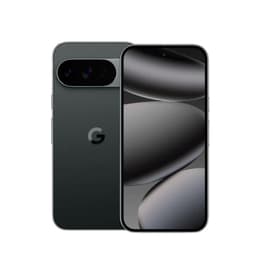
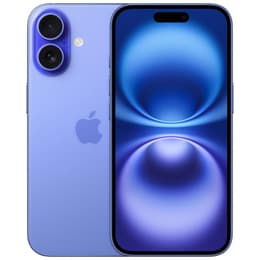
Google Pixel 10 Pro XL vs iPhone 16
- 1-year warranty
- Free standard shipping
- Free 30-day returns
Differences at a glance
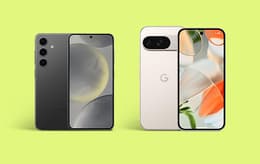
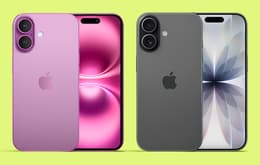
The Google Pixel 10 Pro XL (2025) and the iPhone 16 (2024) represent different approaches to modern smartphone engineering, spanning distinct ecosystems and design philosophies. While the Pixel 10 Pro XL emphasizes a larger canvas and advanced processing versatility, the iPhone 16 focuses on compact ergonomics and tightly integrated hardware software harmony. Running on Android and iOS respectively, both models cater to users seeking high-tier capabilities tailored to differing everyday workflows.
Available Models
Colour
Storage (GB)
Scores
Durability
When examining longevity, both manufacturers provide robust multi-year support ecosystems that ensure long-term usability and security updates for owners.
- Software Support Timelines: Google provides extended operating system and security updates spanning multiple years, matching Apple's traditional long-term support model for major platform upgrades.
- Repairability and Build Maintenance: Both devices feature sealed glass and metal structures that require professional service for complex repairs, though component replacement networks remain widely accessible through quality-assured refurbished options.
- Hardware Wear Resistance: Durable outer frames and strengthened display glass ensure that daily handling causes minimal structural degradation over extended periods of use.
Release year
2025
2024
Foldable
No
No
Performance
Under everyday workloads, both devices deliver swift application launching, fluid multitasking, and reliable thermal management during intensive tasks.
- Multitasking and App Responsiveness: Generous memory configurations allow seamless switching between demanding productivity applications and background tasks without stuttering.
- Battery Behavior: The larger physical footprint of the Pixel 10 Pro XL accommodates a higher-capacity battery for extended daily usage, whereas the iPhone 16 relies on power-efficient processing to sustain usage through a standard day.
- Storage Configurations: Both lineups offer diverse internal storage tiers to accommodate heavy media libraries, large document caches, and extensive offline application data.
Screen quality
Display characteristics differ significantly in size and visual presentation, directly influencing media consumption and outdoor readability.
- Panel Technology and Clarity: Both models utilize advanced organic light-emitting diode technology delivering deep black levels, high contrast ratios, and sharp pixel density for crisp text reproduction.
- Brightness Levels: High peak luminance capabilities on both screens ensure clear visibility and legible content even under direct sunlight outdoors.
- Refresh Rates and Size: The Pixel 10 Pro XL features a larger display area with fluid motion handling, while the iPhone 16 provides a more compact viewing surface optimized for single-handed navigation.
Resolution
1344x2992
1179 x 2556
Audiovisual
Imaging capabilities across both platforms cater to diverse photography styles, spanning versatile multi-lens arrays and refined computational processing.
- Lens Configurations: The Pixel 10 Pro XL includes a dedicated telephoto zoom lens alongside main and ultra-wide sensors, whereas the iPhone 16 utilizes a dual-camera system emphasizing balanced everyday captures and wide perspectives.
- Low-Light and Video Performance: Advanced computational photography algorithms on both devices preserve detail and control noise in challenging lighting conditions, supplemented by stable high-definition video recording.
- Audio and Media Output: Stereo speaker setups on both smartphones deliver clear voice reproduction for calls and immersive sound output during media playback.
Miscellaneous
Physical dimensions and connectivity standards shape how each device integrates into accessories, travel kits, and daily physical handling routines.
- Connectivity and Ports: Both models support modern high-speed cellular networks and wireless standards, utilizing standard universal charging ports for seamless accessory compatibility.
- Biometric Security: Users can choose between secure facial recognition systems and fingerprint authentication methods depending on personal preference and device design.
- Dimensions and Weight: The Pixel 10 Pro XL presents a broader physical profile suited for media-heavy workflows, while the iPhone 16 offers a lighter, smaller form factor that rests comfortably in pockets and smaller hands.
Weight
232 oz
170 oz
Screen size (in)
6.8
6.1
Network
5G
5G
SIM card
Physical SIM + eSIM
Physical SIM + eSIM
Carrier compatibility
Unlocked
Unlocked
What the community thinks
Community discussions and user feedback indicate that daily experiences with both devices center heavily on ecosystem preference and physical dimensions. Users frequently praise the Pixel 10 Pro XL for its expansive display canvas, versatile multi-lens camera system, and deep integration of intelligent software assistants. Conversely, iPhone 16 owners often highlight the device's comfortable pocketable size, reliable day-to-day battery efficiency, and streamlined operating system experience as key advantages.
Users prioritizing maximum screen real estate and advanced optical zoom flexibility will find the Google Pixel 10 Pro XL well-suited to their needs, while users prioritizing a compact footprint and tight ecosystem integration may prefer the iPhone 16. Exploring a quality-assured refurbished model serves as an eco-friendly alternative for acquiring either device while supporting sustainable electronics consumption. Ultimately, the choice depends on preferred operating systems and physical handling preferences rather than a compromise in core capabilities.