
iPhone 14 Pro Max vs iPhone 16

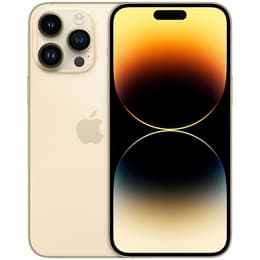
iPhone 14 Pro Max
iPhone 14 Pro Max
Starting at

Refurbished price:A$726.00

Versus A$1,899.00 new

See options
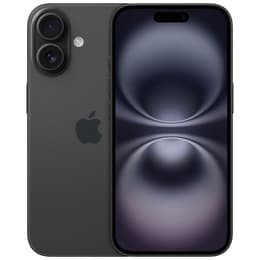
iPhone 16
iPhone 16
Starting at

Refurbished price:A$952.00

Versus A$1,399.00 new

See options

Ratings

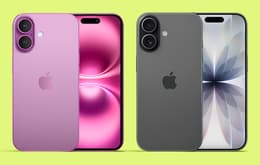
The iPhone 14 Pro Max, released in September 2022, represents Apple's high-end offering from a previous generation, featuring a large display and a comprehensive camera system. In contrast, the iPhone 16, anticipated for release in September 2026, is expected to be the standard model of a newer generation, bringing updated internal components and design refinements. This comparison highlights the practical differences between a larger, feature-rich older model and a more compact, technologically advanced newer standard model, both running on Apple's iOS platform.

Scores

Durability

When considering the longevity of these devices, several factors come into play, including their release timelines, software support, and physical construction.

  • Release Timeline and Age: The iPhone 14 Pro Max launched in September 2022, while the iPhone 16 is expected in September 2026. This four-year difference means the iPhone 16 will inherently benefit from a longer period of software updates and security patches from Apple.
  • Software Longevity: The iPhone 14 Pro Max shipped with iOS 16 and is currently running iOS 26.4, indicating a robust update cycle. The iPhone 16 is anticipated to launch with iOS 18, ensuring it receives major iOS updates for a longer duration, likely extending its practical lifespan by at least two years compared to the 14 Pro Max.
  • Build Materials and Durability: Both models feature a Ceramic Shield front for enhanced screen protection. The iPhone 14 Pro Max utilizes a stainless steel frame, contributing to its premium feel and structural rigidity, while the iPhone 16 is expected to feature an aluminum frame, which is lighter. Both are designed with IP68 dust and water resistance.

Release year

2022

2024

Compatible with latest Update

Yes

Yes

Foldable

No

No

Performance

The performance of a smartphone is largely dictated by its internal processing power and memory, impacting everything from app responsiveness to multitasking capabilities.

  • Processing Power: The iPhone 14 Pro Max is equipped with a capable processor that handles demanding applications and multitasking smoothly. The iPhone 16, however, is expected to feature a newer generation processor, which is anticipated to offer significantly faster CPU and GPU speeds, along with a more powerful Neural Engine for enhanced artificial intelligence and machine learning tasks.
  • Multitasking and Responsiveness: With 6GB of RAM, the iPhone 14 Pro Max provides a fluid experience for switching between apps and running multiple processes simultaneously. The iPhone 16 is rumored to come with 8GB of RAM in its base models, which would further improve its capacity for intensive multitasking and ensure smoother operation with future, more demanding applications.
  • Battery Behavior: The iPhone 14 Pro Max houses a larger battery, offering up to 29 hours of video playback and generally providing a full day of heavy use for many users. The iPhone 16 is expected to have a slightly smaller battery capacity than the 14 Pro Max, but its newer, more efficient processor and display technology are anticipated to optimize power consumption, potentially leading to comparable or improved real-world battery life for its size.

Memory (GB)

6 GB

8 GB

Screen quality

The display is a primary interface for smartphone interaction, and both models offer distinct viewing experiences.

  • Display Technology and Size: The iPhone 14 Pro Max features a 6.7-inch Super Retina XDR OLED display, providing an expansive viewing area. The iPhone 16 is expected to have a more compact 6.1-inch OLED display. Both models incorporate the Dynamic Island for interactive alerts and activities.
  • Refresh Rate and Brightness: The iPhone 14 Pro Max boasts ProMotion technology, offering an adaptive refresh rate up to 120Hz for exceptionally smooth scrolling and responsive interactions, along with a peak outdoor brightness of 2000 nits. While the iPhone 16's standard model is rumored to retain a 60Hz refresh rate, it is expected to feature thinner bezels and potentially new OLED materials for improved power efficiency and brightness.
  • Clarity and Viewing Experience: Both displays offer high resolution and pixel density, ensuring sharp text and vibrant images. The larger screen of the iPhone 14 Pro Max provides a more immersive experience for media consumption and productivity, while the iPhone 16's anticipated display improvements aim for enhanced visual quality within a more manageable form factor.

Resolution

1290 x 2796

1179 x 2556

Screen type

LTPO Super Retina XDR OLED

Super Retina XDR OLED

Audiovisual

Photography and videography capabilities are key considerations for many users, and these two iPhones offer different camera configurations and features.

  • Rear Camera System: The iPhone 14 Pro Max features a versatile triple-camera system, including a 48MP main sensor, a 12MP ultrawide lens, and a 12MP telephoto lens with 3x optical zoom, alongside a LiDAR scanner for enhanced depth sensing. The iPhone 16 is expected to feature a dual-camera system with a 48MP main lens and a 12MP ultrawide lens, arranged vertically to support spatial video recording. It will likely lack a dedicated telephoto lens.
  • Photography Performance: The 14 Pro Max excels in various lighting conditions, offering detailed images and advanced features like Cinematic Mode and Action Mode. The iPhone 16 is anticipated to bring improvements to its main sensor, potentially offering better low-light performance and macro photography capabilities.
  • Video Recording and Audio: Both devices are capable of recording high-quality video, with the 14 Pro Max supporting 4K resolution at up to 60 frames per second and ProRes video. The iPhone 16's vertical camera arrangement is specifically designed to enable spatial video recording, which can be viewed on compatible devices for an immersive experience. Both models are expected to provide clear audio recording and stereo speaker output.

Main camera

48 megapixels

48 megapixels

Front camera

12 megapixels

12 megapixels

Miscellaneous

Beyond core features, practical elements like connectivity, physical design, and additional sensors contribute to the overall user experience.

  • Connectivity and Ports: The iPhone 14 Pro Max utilizes the Lightning port for charging and data transfer, and supports Wi-Fi 6 and Bluetooth 5.3. The iPhone 16 is expected to transition to a USB-C port, offering broader compatibility with accessories and potentially faster data transfer speeds for its Pro models. It is also anticipated to support newer wireless standards like Wi-Fi 7 and an updated Bluetooth version.
  • Physical Design and Handling: The iPhone 14 Pro Max is a larger and heavier device, weighing 240 grams with dimensions of 160.7 x 77.6 x 7.9 mm, which may appeal to users who prefer a substantial feel and larger screen. The iPhone 16 is expected to be more compact and lighter, weighing around 170 grams with dimensions of 147.6 x 71.6 x 7.8 mm, making it easier for one-handed use.
  • User Interaction Features: Both devices feature Face ID for secure authentication. The iPhone 16 is expected to incorporate an Action button, similar to the iPhone 15 Pro, allowing for customizable shortcuts, and a new Capture button for enhanced camera control.

Weight

120 oz

170 oz

Screen size (in)

6.7

6.1

SIM card

Physical SIM + eSIM

Physical SIM + eSIM

Carrier compatibility

Unlocked

Unlocked

Connector

Lightning

USB-C (USB 2)

The iPhone 14 Pro Max and the anticipated iPhone 16 cater to different user priorities, reflecting the evolution of smartphone technology over several generations.

Users often praise the iPhone 14 Pro Max for its expansive and vibrant ProMotion display, offering smooth visuals and an always-on feature that enhances convenience. Its robust triple-camera system, including a dedicated telephoto lens, is frequently highlighted for its versatility and image quality, particularly for those who value photographic capabilities. The device's substantial battery life is also a common point of appreciation, often lasting a full day even with intensive use. Some users, however, find its larger size and weight less comfortable for extended one-handed use, and the Lightning port is seen by some as a limitation compared to the more universal USB-C standard.

The iPhone 16, while a standard model, is expected to be lauded for its newer, more efficient processor, promising faster performance and improved handling of future software. The anticipated switch to a USB-C port is a significant upgrade for many, offering broader compatibility. Its more compact and lighter design will likely appeal to users seeking a device that is easier to handle and carry. Potential criticisms might arise if the standard iPhone 16 does not include a high refresh rate display or a dedicated telephoto camera, features present in the older 14 Pro Max.

Users prioritizing a large, high-refresh-rate display, a dedicated telephoto camera, and a premium stainless steel build may find the iPhone 14 Pro Max well-suited to their needs. Conversely, users who value the latest processor, a more compact form factor, the versatility of a USB-C port, and longer software support will likely lean towards the anticipated iPhone 16. Both devices offer a quality experience, and choosing between them depends on whether one prioritizes a larger, feature-rich older model or a newer, more streamlined device with the latest internal advancements. For those considering either option, exploring quality-assured refurbished alternatives can be an eco-friendly choice.

See all articles

Our recent comparisons