
Galaxy Z Fold6 vs Motorola Razr 40

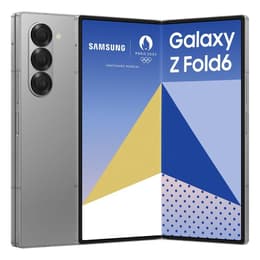
Galaxy Z Fold6
Galaxy Z Fold6
Starting at

Refurbished price:A$1,088.24

Versus A$2,749.00 new

See options
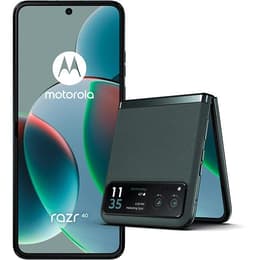
Motorola Razr 40
Motorola Razr 40
See options

Ratings

The Samsung Galaxy Z Fold6, released in July 2024, and the Motorola Razr 40, launched in June 2023, represent distinct approaches to the foldable smartphone market. While both offer the convenience of a compact form factor when closed, they cater to different user needs through their unique designs and internal specifications. The Galaxy Z Fold6 unfolds into a large tablet-like display, prioritizing multitasking and immersive viewing, whereas the Razr 40 features a clamshell design that emphasizes portability and a traditional smartphone experience when open. Both devices operate on the Android platform, offering a familiar software environment.

Scores

Durability

When considering the long-term usability of these foldable devices, their release timelines and software support policies are key differentiators.

  • Software Longevity: The Galaxy Z Fold6 benefits from Samsung's commitment to providing 7 years of Android OS upgrades and 7 years of security updates, offering an extended period of software support. In contrast, the Motorola Razr 40 is expected to receive 3 major Android OS upgrades and 4 years of bi-monthly security updates, which is an improvement over previous Motorola policies but still shorter than Samsung's offering.
  • Physical Durability: The Galaxy Z Fold6 features an IP48 rating, indicating resistance to both dust and water, and is constructed with an enhanced Armor Aluminum frame, Gorilla Glass Victus 2 on its cover screen, and Ultra Thin Glass (UTG) for the inner display. While it has shown resilience in bend tests, some durability assessments suggest dust can still enter the hinge, though improvements have been made. The Razr 40 has an IP52 water-repellent rating and uses plastic and vegan leather with an aluminum frame and steel hinges. Durability tests on similar Razr models have highlighted that the cover screen may be susceptible to damage under significant pressure due to less structural support.
  • Expected Lifespan: Users can anticipate a longer practical lifespan for the Galaxy Z Fold6 due to its extended software support and more robust dust and water resistance. The Razr 40, while offering a capable experience, may see its software support end sooner, potentially impacting its long-term functionality and security updates.

Release year

2024

2023

Compatible with latest Update

Yes

Yes

Operating system

Android

Android

Foldable

Yes

Yes

Performance

The performance capabilities of the Galaxy Z Fold6 and the Motorola Razr 40 reflect their different market positions, with the Fold6 offering flagship-tier power and the Razr 40 providing solid mid-range performance.

  • Processing Power: The Galaxy Z Fold6 is equipped with a current-generation flagship processor, enabling it to handle demanding applications, intensive multitasking, and graphic-heavy gaming with smooth responsiveness. The Motorola Razr 40 utilizes a mid-range processor, which capably manages everyday tasks, social media, and lighter gaming, providing a fluid user experience for general use.
  • Multitasking and Storage: With 12 GB of RAM, the Galaxy Z Fold6 is designed for seamless transitions between numerous applications and efficient handling of complex workflows on its large internal display. It offers ample storage options up to 1 TB. The Razr 40 comes with 8 GB or 12 GB of RAM and up to 256 GB of storage, which is sufficient for most users' app and data needs, though it may not match the Fold6's capacity for heavy multitasking or extensive media libraries.
  • Battery Behavior: The Galaxy Z Fold6 features a 4400 mAh battery, designed to power its dual displays and high-performance components through a full day of typical use. The Razr 40 has a 4200 mAh battery, which generally provides a full day of power for its less demanding hardware and smaller external screen.

Memory (GB)

12 GB

8 GB

Screen quality

The display experiences offered by the Galaxy Z Fold6 and the Motorola Razr 40 are tailored to their distinct form factors and intended uses.

  • Main Display Technology and Size: The Galaxy Z Fold6 features a large 7.6-inch foldable Dynamic AMOLED 2X main display, offering vibrant colors, deep blacks, and a high resolution of 2160 x 1856 pixels, making it suitable for immersive media consumption and productivity. The Motorola Razr 40's main display is a 6.9-inch pOLED panel with a resolution of 1080 x 2640 pixels, providing a clear and colorful viewing experience in a more traditional smartphone aspect ratio when unfolded.
  • Refresh Rate and Brightness: Both devices offer smooth scrolling and responsiveness with high refresh rates. The Galaxy Z Fold6's main and cover displays feature an adaptive 120Hz refresh rate and can reach a peak brightness of up to 2600 nits, ensuring excellent visibility even in bright outdoor conditions. The Razr 40's main display boasts a 144Hz refresh rate and a peak brightness of up to 1400 nits, providing a fluid experience and good outdoor visibility.
  • External Display Utility: The Galaxy Z Fold6 includes a 6.3-inch Dynamic AMOLED 2X cover display that is fully functional, allowing for most tasks to be performed without opening the device. The Razr 40 has a smaller 1.5-inch OLED external display, primarily designed for quick glances at notifications, time, and basic widgets.

Resolution

1856 x 2160

1080 x 2640

Screen type

Foldable Dynamic LTPO AMOLED 2X

Foldable LTPO AMOLED

Audiovisual

The camera systems of the Galaxy Z Fold6 and the Motorola Razr 40 are designed to capture moments, though they differ in versatility and advanced features.

  • Rear Camera Configuration: The Galaxy Z Fold6 is equipped with a versatile triple-camera setup on the rear, including a 50 MP wide-angle lens with optical image stabilization (OIS), a 12 MP ultra-wide lens, and a 10 MP telephoto lens with 3x optical zoom and OIS, offering flexibility for various photographic scenarios. The Motorola Razr 40 features a dual-camera system with a 64 MP wide-angle lens (OIS) and a 13 MP ultra-wide lens with autofocus, providing solid performance for everyday photography.
  • Photography Performance: The Galaxy Z Fold6 integrates AI-based image processing (ProVisual Engine) and features like Nightography and Pro mode to enhance photo quality across different lighting conditions. User feedback suggests its camera is competent, particularly in good lighting, though some note it may not match the absolute top-tier performance of non-foldable flagships, especially for the ultra-wide in low light. The Razr 40's main camera produces good images with realistic colors and low noise in favorable lighting, and its ultra-wide camera can also perform macro shots due to autofocus.
  • Video and Selfie Capabilities: The Galaxy Z Fold6 supports high-resolution video recording, including 8K at 30fps and 4K at 60fps. It has a 10 MP front-facing camera on the cover screen and a 4 MP under-display camera on the main screen for video calls and selfies. The Razr 40 records 4K video at 30fps and includes a 32 MP selfie camera that outputs 8 MP images, capable of good detail and exposure.

Main camera

50 megapixels

64 megapixels

Front camera

4 megapixels

32 megapixels

Miscellaneous

Beyond their core functionalities, both devices offer a range of practical features that enhance the user experience.

  • Connectivity and Ports: Both the Galaxy Z Fold6 and the Motorola Razr 40 support 5G connectivity for fast mobile data. The Fold6 includes Wi-Fi 6E/7 capabilities and Bluetooth 5.3/5.4, while the Razr 40 supports Wi-Fi 6 and Bluetooth 5.2. Both devices utilize a USB-C port for charging and data transfer.
  • Biometric Security and Handling: For security, both smartphones feature side-mounted fingerprint sensors and support facial recognition. The Galaxy Z Fold6, weighing 239 grams, is a heavier device, offering a substantial feel, and its unfolded dimensions provide a large canvas for interaction. The Motorola Razr 40 is lighter at 188.6 grams, and its clamshell design makes it more compact and pocketable when folded.
  • Additional Features: The Galaxy Z Fold6 supports S Pen input (S Pen Pro and S Pen Fold Edition), enhancing its productivity potential, though the stylus is sold separately and does not have a dedicated storage slot. Its larger internal screen is often praised for multitasking and media consumption. The Razr 40's compact folded form factor is a key appeal for users prioritizing portability.

Weight

239 oz

189 oz

Screen size (in)

7.6

6,9

Network

5G

5G

SIM card

Dual Physical SIM + eSIM

Dual Physical SIM + eSIM

Carrier compatibility

Unlocked

Unlocked

User sentiment for the Galaxy Z Fold6 often highlights the excitement and utility of its large, foldable display for multitasking and immersive media consumption. Many appreciate its robust performance and the extended software support provided by Samsung. Common criticisms sometimes point to the cover screen's narrow aspect ratio, though many users adapt to it, and some desire further camera advancements to match the brand's non-foldable flagship offerings. The device is praised for its overall build quality and the innovative experience it delivers.

The Motorola Razr 40 is frequently lauded for making the foldable experience more accessible and for its compact, pocketable design when folded. Users generally find its performance sufficient for daily tasks and appreciate the improved software update policy compared to previous Motorola devices. While its camera system is considered competent for general use, it may not offer the same level of versatility or advanced features as higher-end foldables. The smaller external display is seen as useful for quick notifications rather than extensive interaction.

Users prioritizing a large, tablet-like display for productivity, immersive media, and a longer software support window may find the Galaxy Z Fold6 well-suited to their needs. Its powerful internals and versatile camera system cater to those who demand high performance and advanced features in a foldable form factor. Conversely, individuals who value extreme portability, a more traditional smartphone experience when unfolded, and a more accessible entry into the foldable market may lean toward the Motorola Razr 40. Both devices offer a unique take on the foldable concept, and choosing between them depends on whether a user prioritizes a large, expansive screen for work and entertainment or a compact, stylish design for everyday convenience. For those considering either device, exploring quality-assured refurbished options can provide an eco-friendly alternative.


See all articles

Our recent comparisons