
Compare models
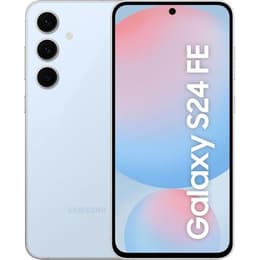
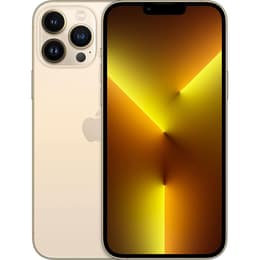
Galaxy S24 FE vs iPhone 13 Pro Max
- 1-year warranty
- Free standard shipping
- Free 30-day returns
Differences at a glance
The Samsung Galaxy S24 FE (2024) and the Apple iPhone 13 Pro Max (2021) represent distinct approaches to high-performance smartphones, offering different operating systems and hardware priorities. While the Galaxy S24 FE delivers a newer release cycle with long-term software support and modern integration features, the iPhone 13 Pro Max centers its design on robust build characteristics and established flagship capabilities. Operating on Android and iOS respectively, these two models cater to distinct user preferences in software environments and ecosystem interactions.
Available Models
Colour
Storage (GB)
Scores
Durability
When examining longevity and update support, both devices handle multi-year software lifecycles differently due to their distinct release years and manufacturer policies.
- Software support timeline: The Galaxy S24 FE benefits from an extended software update commitment spanning multiple years, ensuring newer features arrive further into the future. The iPhone 13 Pro Max operates on a mature software track with a shorter remaining active update window from its initial 2021 launch.
- Repairability and physical endurance: Both smartphones utilize durable glass and metal structures designed to withstand regular handling, though replacement components and repair procedures vary between the Android and iOS ecosystems.
- Expected practical lifespan: Users can anticipate several more years of reliable daily performance from both units, provided battery health is maintained through standard usage habits and occasional servicing.
Release year
2024
2021
Operating system
Android
iOS
Foldable
No
No
Performance
Under everyday conditions, both devices manage heavy multitasking, demanding applications, and system responsiveness through optimized hardware integration.
- Storage configurations and multitasking: Both models are available in multiple storage capacities and feature ample memory to keep background applications running smoothly without unexpected stutter or forced closures.
- App loading and gaming execution: Daily tasks, graphics-heavy mobile games, and swift application switching happen seamlessly, supported by capable processing hardware that handles thermal output effectively during extended use.
- Battery behavior: Energy management varies due to distinct processor efficiencies and battery capacities, with both devices comfortably managing standard daily workloads before requiring a recharge.
Screen quality
Visual output and screen interactions differ across panel types, refresh rates, and outdoor legibility metrics.
- Display technology and fluidity: Both devices utilize advanced display panels featuring high refresh rates, resulting in smooth scrolling through web pages, fluid animations, and clear text rendering.
- Brightness and outdoor visibility: Maximum peak brightness levels allow both screens to remain legible under direct sunlight, ensuring comfortable viewing outdoors or in brightly lit environments.
- Color reproduction and size: Each screen presents accurate colors and deep contrast levels suited for media streaming and photo viewing, though physical dimensions differ slightly to accommodate varied handling preferences.
Resolution
1080x2340
1284 x 2778
Audiovisual
Photographic capabilities and media creation tools rely on distinct multi-lens setups and image processing software.
- Multi-lens versatility: Both systems incorporate primary and ultra-wide lenses, with one model featuring a dedicated telephoto zoom lens for distant subjects, while the other utilizes digital cropping methods.
- Low-light and everyday photography: Image capture in standard and challenging lighting conditions yields balanced exposure and realistic detail, supported by automated software optimization.
- Video recording and audio: High-resolution video capture includes stabilization features for smooth motion, complemented by clear microphone pickup during voice calls and media recording. Choosing a quality-assured refurbished option through platforms like Back Market offers a sustainable way to access these advanced camera systems while reducing electronic waste.
Miscellaneous
Physical dimensions, connectivity standards, and daily convenience features dictate how each device fits into routine handling.
- Connectivity and ports: Both devices support modern 5G networks, fast Wi-Fi standards, and Bluetooth connections, utilizing proprietary or universal port types for charging and data transfer.
- Biometrics and security: Secure authentication is handled via facial recognition or under-display fingerprint sensors, providing quick access while keeping personal data protected.
- Handling and ergonomics: Weight distribution and body materials influence pocketability and grip, with each model offering distinct tactile finishes that affect single-handed usability.
Weight
213 oz
238 oz
Screen size (in)
6.7
6.7
Network
5G
5G
SIM card
Physical SIM + eSIM
Physical SIM + eSIM
Carrier compatibility
Unlocked
Unlocked
What the community thinks
User feedback gathered from community discussions highlights distinct patterns of praise and common criticisms for both devices. Owners of the Galaxy S24 FE frequently commend its modern software features, extended support window, and bright display panel, while noting that its physical footprint can feel substantial in smaller hands. Conversely, users of the iPhone 13 Pro Max often praise its long battery endurance, sturdy build quality, and reliable video recording capabilities, though some mention its heavier weight compared to standard models.
Users prioritizing long-term software update commitments and Android ecosystem integration may prefer the Galaxy S24 FE. Meanwhile, users prioritizing extended battery longevity under heavy media workloads and iOS consistency may lean toward the iPhone 13 Pro Max. Selecting a quality-assured refurbished option provides a practical and sustainable choice for acquiring either device without compromising on performance or reliability. Ultimately, the choice depends on personal preference for operating systems and specific daily usage requirements rather than overall device superiority.