
Smartphones
Compare models
Differences at a glance
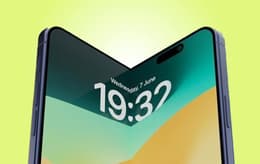
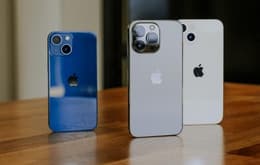
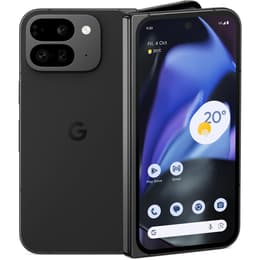
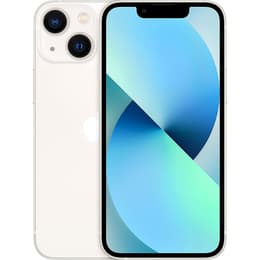
The iPhone 13 Mini, released in September 2021, is a compact smartphone known for its small form factor and traditional design. In contrast, the Google Pixel 9 Pro Fold, launched in September 2024, represents a modern foldable device, offering a significantly larger screen experience when unfolded. These two devices cater to distinct user preferences, with the iPhone 13 Mini prioritizing portability and single-handed use, while the Pixel 9 Pro Fold focuses on expansive screen real estate for productivity and media consumption, running on their respective iOS and Android operating systems.
Colour
Storage (GB)
When considering the long-term usability of these devices, their release timelines and software support are key factors. The iPhone 13 Mini, being an earlier release, has a shorter remaining software support window compared to the more recent Pixel 9 Pro Fold.
Release year
Compatible with latest Update
Operating system
Foldable
The performance capabilities of the iPhone 13 Mini and the Google Pixel 9 Pro Fold reflect their respective generations and design philosophies, impacting how they handle demanding applications and multitasking.
The display experience is a primary differentiator between these two devices, with the iPhone 13 Mini offering a traditional compact screen and the Pixel 9 Pro Fold providing a versatile dual-screen foldable design.
Resolution
Screen type
Both devices offer capable camera systems, but their approaches to photography and videography differ, reflecting their design and target user.
Main camera
Front camera
Beyond core features, several practical elements contribute to the overall user experience and differentiate the iPhone 13 Mini from the Google Pixel 9 Pro Fold.
Weight
Screen size (in)
Network
SIM card
Carrier compatibility
The iPhone 13 Mini and the Google Pixel 9 Pro Fold cater to fundamentally different user needs and preferences. Users often praise the iPhone 13 Mini for its exceptional portability and the ability to use it comfortably with one hand, a rare feature in today's smartphone market. Its consistent performance and reliable camera system are also frequently highlighted. However, some users note its relatively smaller battery capacity compared to larger phones and the 60Hz display as areas for improvement. [8, 10, 12, 31]
The Google Pixel 9 Pro Fold, on the other hand, receives acclaim for its innovative foldable design, offering a large, immersive screen for productivity and media consumption that can fold into a more manageable size. Its advanced processor, extensive software support, and versatile camera system are also strong points. Criticisms sometimes revolve around the device's weight and thickness when folded, and the inherent durability considerations of a folding screen. [28, 34, 35]
Users prioritizing a highly compact, traditional smartphone experience for everyday tasks and ease of carrying will find the iPhone 13 Mini well-suited to their needs. Conversely, individuals who require an expansive screen for multitasking, content creation, or immersive media, and are comfortable with a larger, heavier device, may lean towards the Google Pixel 9 Pro Fold. Both devices offer distinct advantages, and choosing between them depends on whether a user values ultimate portability or a versatile, large-screen experience. For those seeking an eco-friendly alternative, considering a quality-assured refurbished option for either model can be a sustainable choice.